Best Time to Kitesurf in Boracay: Month Guide
Find the best time to kitesurf in Boracay with 12 months of wind and water data, lesson prices, beach advice and tips for planning your trip.
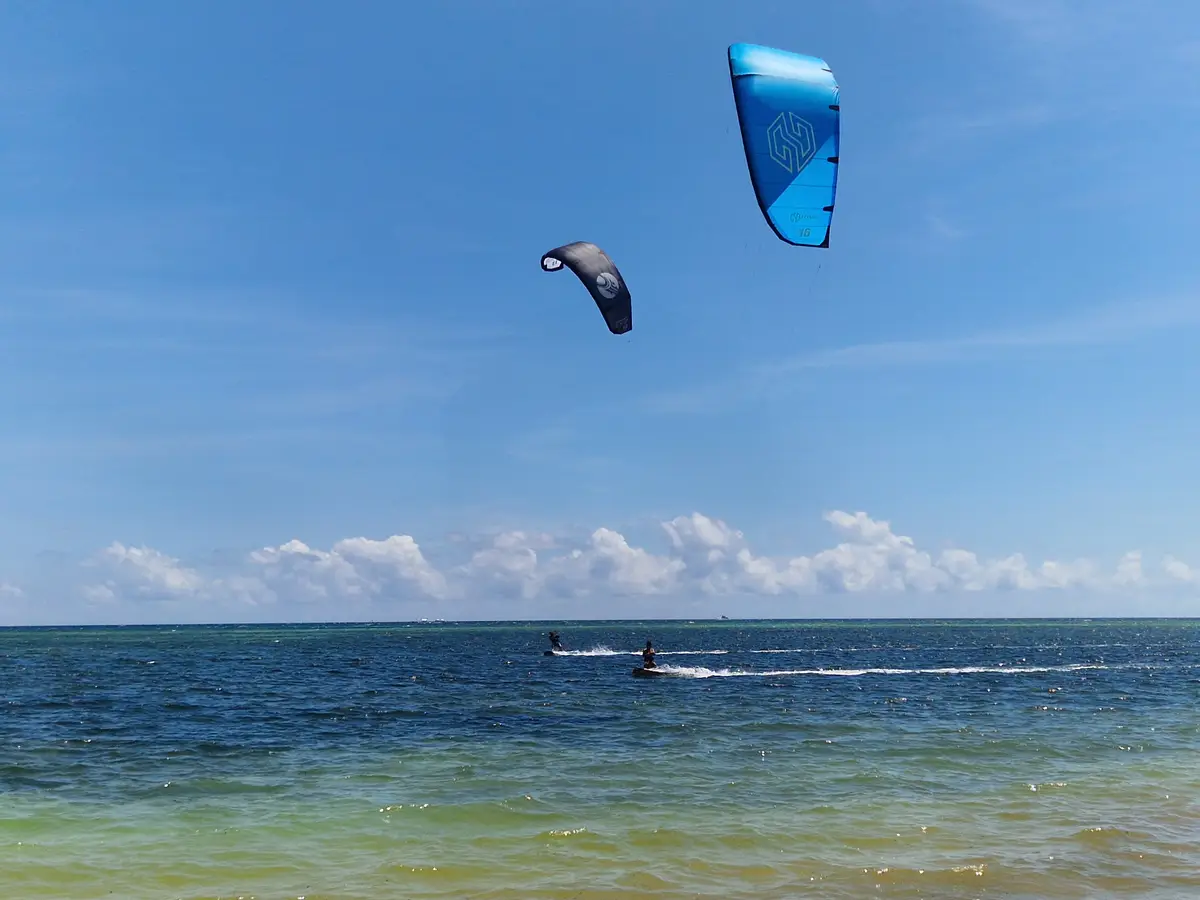
The best time to kitesurf in Boracay, Philippines, is generally November to April, when northeast winds reach Bulabog Beach. Historical model estimates suggest average wind of about 12 to 16 knots from December to April. Ask an instructor about the actual wind and lagoon conditions before booking a session.
Key takeaways: January and February fall within the main northeast wind season; check the local forecast and beach conditions before riding. Beginners can start with an instructor at Bulabog's sheltered lagoon. Allow several days for a course and changing wind.
When is the best time to kitesurf in Boracay?
Boracay's kitesurfing season at Bulabog generally runs from November to April, when the northeast Amihan reaches the east-facing beach. December to March has a sustained northeast pattern in historical data. The season gives you a useful starting point for planning, but daily wind and lagoon conditions still determine whether you can ride.
During Amihan, Bulabog's outer reef shelters the shallow lagoon, though chop can still form inside it. Wind typically reaches the beach from the northeast or east. Ask an instructor about the tide, the launch area and other water users before you set up or choose a lesson time.
A monthly average cannot tell you which kite to rig on a particular day. Your weight, ability and the wind at the beach all matter. If you have booked lessons, leave room in your schedule for the school to suggest a different session time when conditions change.
During Habagat, generally June to October, southwest wind blows offshore at Bulabog and reaches White Beach on the west coast. White Beach and Angol Point have more exposed, choppy water, which better suits independent riders. Ask local operators where launching is permitted and give swimmers room. The Boracay spot guide describes the beaches.
The two monsoons also affect the rest of a beach holiday. January to April is generally drier, while June to October brings heavier seasonal rain. If you visit around a change of season, keep plans flexible and check both the wind direction and the forecast before choosing a coast.
What do Boracay wind and water figures show each month?
Boracay's historical model shows kite-day shares of 87% in January and February and 82% in March. Those figures cover a wider area and have low local confidence. The model misses local effects and is not reliable enough to predict an individual trip, so use the season and local forecast when making plans.
For this table, a modelled kite day has at least three daylight hours with wind between 12 and 35 knots, subject to a gust limit. The wind record covers 2017 to 2025. A day that meets that definition is not necessarily suitable for your ability, a lesson or a safe launch.
The Boracay water temperature figures are rounded monthly surface estimates for 2023 to 2025. They range from 27 °C in February to around 30 °C in several warmer months. Water temperature can help with packing, but it does not tell you how windy or crowded the lagoon will be.
| Month | Boracay wind: historical modelled kite days | Water temperature |
|---|---|---|
| January | 87% of days | 28 °C |
| February | 87% of days | 27 °C |
| March | 82% of days | 28 °C |
| April | 63% of days | 29 °C |
| May | 39% of days | 30 °C |
| June | 34% of days | 30 °C |
| July | 57% of days | 30 °C |
| August | 59% of days | 30 °C |
| September | 49% of days | 29 °C |
| October | 33% of days | 30 °C |
| November | 73% of days | 29 °C |
| December | 80% of days | 29 °C |
Crowding varies; allow space around the launch and teaching area. July and August also show wind in the model, but the usual southwest direction changes the choice of coast. May and October sit around the seasonal change, so allow extra flexibility if you travel in either month.
Read the percentages as a record of modelled conditions across past years, not as the chance of riding on your chosen dates. They cannot account for every local effect or tell you whether a beach will have suitable access. Before travelling, check the Bulabog spot details and contact a local school.
Which months are best for beginners in Boracay?
December to March is a useful window for beginners in Boracay because it falls within the northeast wind season at sheltered Bulabog. Historical models estimate around 12 to 16 knots on average from December to April. An instructor can judge whether the actual wind, tide and lagoon conditions suit a lesson.
On kitesurfing.me, the 1.5-hour Discovery course costs 6,000 PHP with kite gear. The six-hour Beginner course costs 24,000 PHP with gear. The marketplace lists two schools teaching kitesurfing in Boracay. Choose the shorter course for an introduction, or allow more time for the Beginner course and practice.
Bulabog's outer reef helps shelter the teaching area, and the shallow water gives learners room to practise. The beach launch narrows at high tide, while the reef and other water users call for attention. Follow your instructor's directions and leave room for kites launching or landing.
Before requesting a course, tell the school about any previous lessons and the dates you can attend. The available Boracay lesson options include introductory and longer courses. Keep some time free across your stay so the school can arrange sessions around suitable conditions.
Experienced riders have other choices when the wind direction suits them. Tulubhan on the southeast coast has lagoon and reef conditions, while Puka Beach has deeper water and waves. Check the shoreline and launch access with local operators before setting up. For a first lesson, Bulabog remains the practical starting point.
If you plan to ride without an instructor, assess the launch and landing space as well as the water. Conditions can look manageable offshore while the beach is busy with lessons. The Boracay beach overview can help you identify the areas to discuss with local operators.
How warm is Boracay water, and what should you wear?
Boracay's monthly water temperature is about 27 to 30 °C, with February at the cooler end and May to August near the warmer end. Boardshorts or swimwear suit many riders. Add a rash guard for sun protection, and consider a thin wetsuit if you expect a longer session.
The lagoon at Bulabog is shallow, but its outer reef deserves care. Foot protection can help when walking in the water, and your instructor can show you where to enter. Keep clear of coral and avoid standing on the reef. Pack sun protection for time on the beach as well.
Boracay weather changes with the monsoon. January to April is generally drier, while June to October brings heavier seasonal rain. A light layer and a dry bag are useful additions to your kite bag. Keep a spare set of clothes for the boat and road transfers back to Panay.
The table gives a monthly surface estimate, so use it as a packing guide rather than a daily reading. If you feel cold during long lessons, ask the school what exposure protection it recommends. You can also check what gear is included when you send your course request.
What can you do without wind in Boracay?
On a quiet wind day in Boracay, visit White Beach or take a tricycle to Puka Beach in the north. The island is about 7 km long, so changing coast is practical. Central White Beach and Bulabog are within walking distance; check the route from your accommodation to the school's meeting point.
White Beach has a long west-facing shore, with restaurants around Station 2 and a more relaxed setting around Station 1. Puka gives you another view of the coast, where deeper water and waves meet the northern shore. Keep the day flexible if you have a lesson planned at Bulabog.
Boracay's beach rules apply on a rest day too. Follow local signs, take rubbish away and keep the shore clear for other visitors. Smoking and drinking alcohol are prohibited on the beach. Check the guide to where to stay for a Boracay kite trip for more on the areas.
A stay near Bulabog puts the lagoon close during Amihan, while central White Beach gives you access to restaurants on the west coast. Check the actual route before booking: the useful distance is from your accommodation to your school's meeting point, especially when you need to carry equipment.
How do you book a lesson and get to Boracay with gear?
To book a Boracay lesson, send a request, wait for the school to confirm it, and pay at the school. The listed nine-hour Zero to hero course costs 36,000 PHP with kite gear. Tell the school when you will arrive and leave enough time for sessions if the wind changes.
For riders bringing equipment, the four-hour Advanced course costs 11,200 PHP with your own gear. The four-hour Advanced course with kite gear costs 16,000 PHP. Check the school booking page for course choices and ask about any equipment questions before making a request.
Fly to Caticlan or Kalibo on Panay, then travel to Caticlan Jetty Port for the boat crossing to Boracay. Cagban is the island's main arrival port for much of the year. If you bring a kite bag, check your airline's baggage allowance and arrange space for it on road and boat transfers.
Once on Boracay, a tricycle can carry luggage to your accommodation, and many central journeys are walkable. Allow time for the crossing when you arrange your first lesson. If your trip includes another island, browse Philippines kitesurfing destinations before arranging onward travel.
Before you pack, check which items the course includes and which you want to bring yourself. The price difference between the two Advanced options reflects whether kite gear is included. A lesson with equipment may suit a shorter visit, while bringing gear calls for more transfer planning.
- Choose November to April for the northeast wind season at Bulabog Beach, and check the local forecast before riding.
- Allow time for the Caticlan boat crossing and onward travel, especially if you carry a kite bag.
- Send your lesson request, wait for the school's confirmation, and pay the school in Boracay.
Which month is best to visit Boracay for a kite trip?
January and February are practical months for a Boracay kite trip because both fall within the northeast wind season. Historical models put the water at about 28 °C in January and 27 °C in February. Allow several days and check the forecast and beach conditions before each session.
Is it rainy season in Boracay when I visit?
Boracay is generally wettest from June to October, while the Philippine rainy season is commonly described as June to November. Weather varies within those months, so check the forecast for your dates. Pack a dry bag and leave room in your plans for weather or boat service changes.
When should you avoid a Boracay kite trip?
Avoid relying on onshore northeast wind at Boracay's Bulabog Beach during the southwest season, generally June to October. Southwest wind blows offshore at Bulabog and reaches White Beach instead. Its more exposed water suits experienced riders who have checked local launch access and conditions.
Which part of Boracay is best for a kite stay?
Bulabog Beach is a convenient Boracay base for riding during the November to April northeast wind season. Central White Beach and Bulabog are within walking distance; check the route from your accommodation to the school's meeting point. The Boracay accommodation guide explains the areas.
How many days in Boracay are enough for a kite trip?
Allow at least several days in Boracay for a kite trip, particularly if you plan to take a six-hour Beginner course. That gives you room to arrange sessions around the wind and make the boat crossing from Panay. A longer stay also leaves time for White Beach and Puka Beach.