Kitesurfing conditions in Hurghada
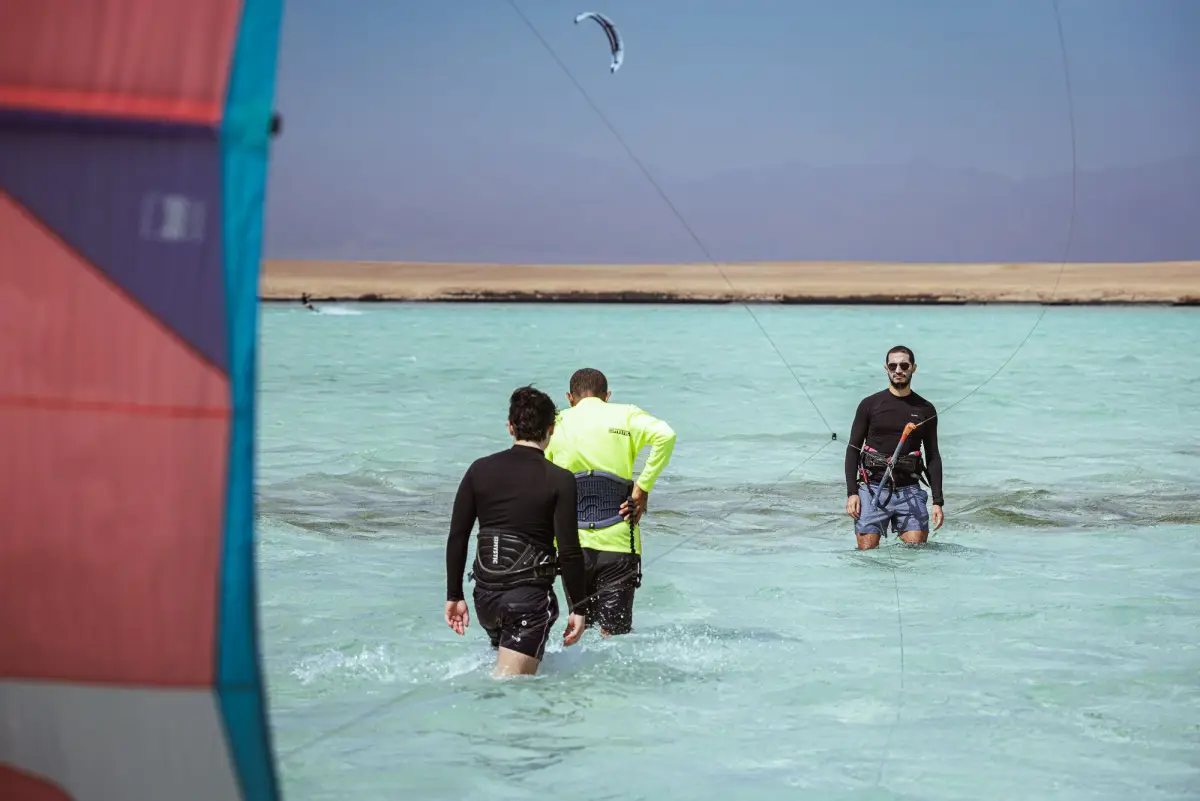
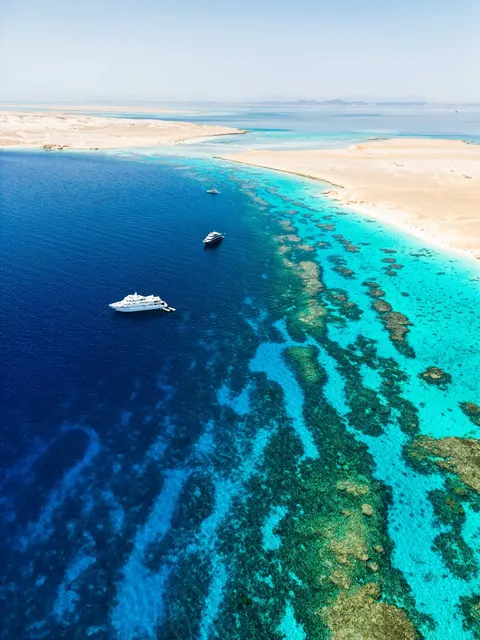
Hurghada is the largest city on Egypt's Red Sea coast and stretches for about 36 km along the shore, so 'kitesurfing in Hurghada' really means a string of separate beaches rather than one spot: shallow lagoons north of town toward El Gouna, sandbanks reached by boat around Magawish, hotel beaches in town, and Soma Bay about 45 km to the south. The wind comes from the north to north-northwest on most days, the water is warm all year, and many of the teaching areas are shallow and sandy, which is why the coast is popular with beginners. Most kite spots sit on hotel or resort land, so where you ride usually depends on where you stay or which school you book.
WaterShallow lagoons and sandbanks, choppier further out
LevelAll levels, strongest for beginners and freeride
Best monthsMay to Jun, Aug to Sep
Wind & season
The prevailing wind is north to north-northwest (Windfinder's long-term average at Hurghada is NNW at around 12 knots, with gusts around 22 knots). In the main season most schools quote 15 to 25 knots, often building in the afternoon as the desert heats up. Along much of the coast it starts more offshore in the morning and turns side-shore from the left around midday, which is one reason lessons are usually planned for late morning and afternoon. Thekitespot counts 50 to 85 percent of days per month with at least three daylight hours of 4 Beaufort or more, lowest in December and highest in July. The wind blows all year, but sources agree that the stronger, more reliable months run from about March to October and that November to February is lighter and less consistent. They disagree about July: thekitespot lists it as the windiest month, while windsurf.co.uk and a local instructor name March to June and August to October as the best stretches, with July weaker. May, June, August and September are the months every source counts as good.
What makes Hurghada special
- North to north-northwest wind on most days, 15 to 25 knots in the main season
- Warm water all year: about 21 °C in February and March, 28 °C in August
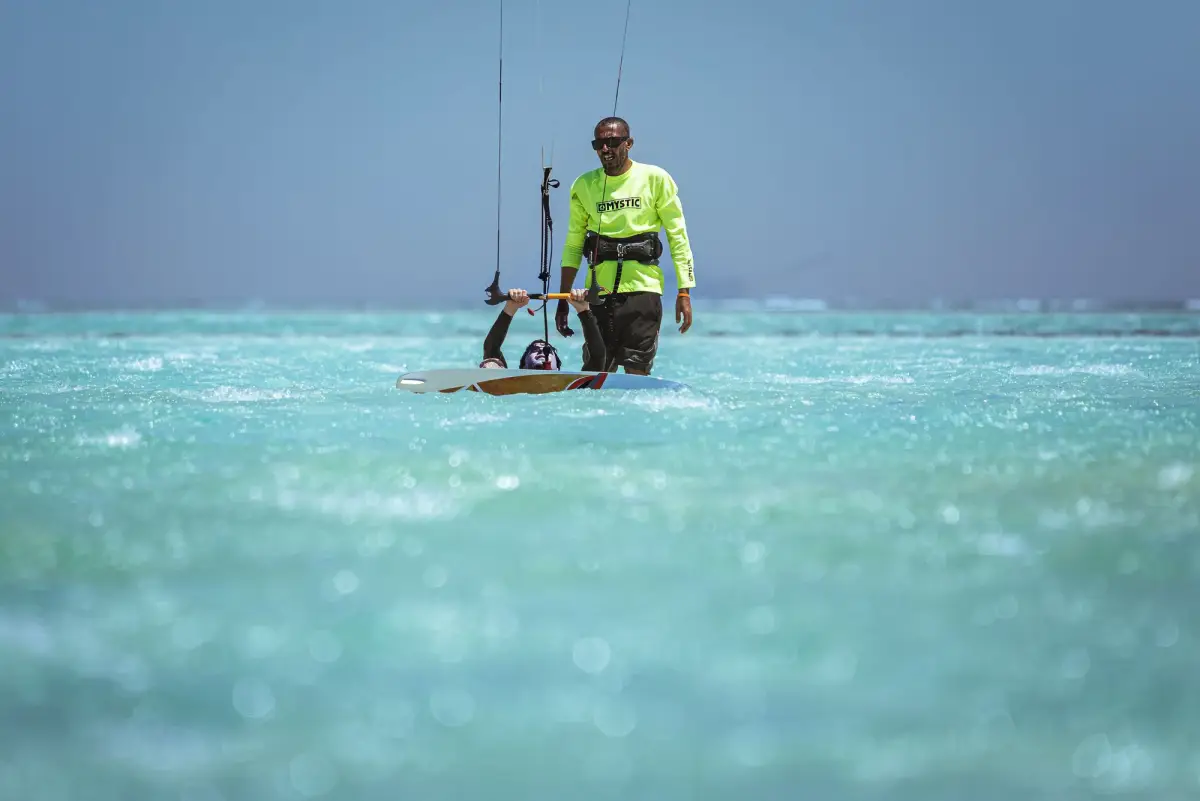
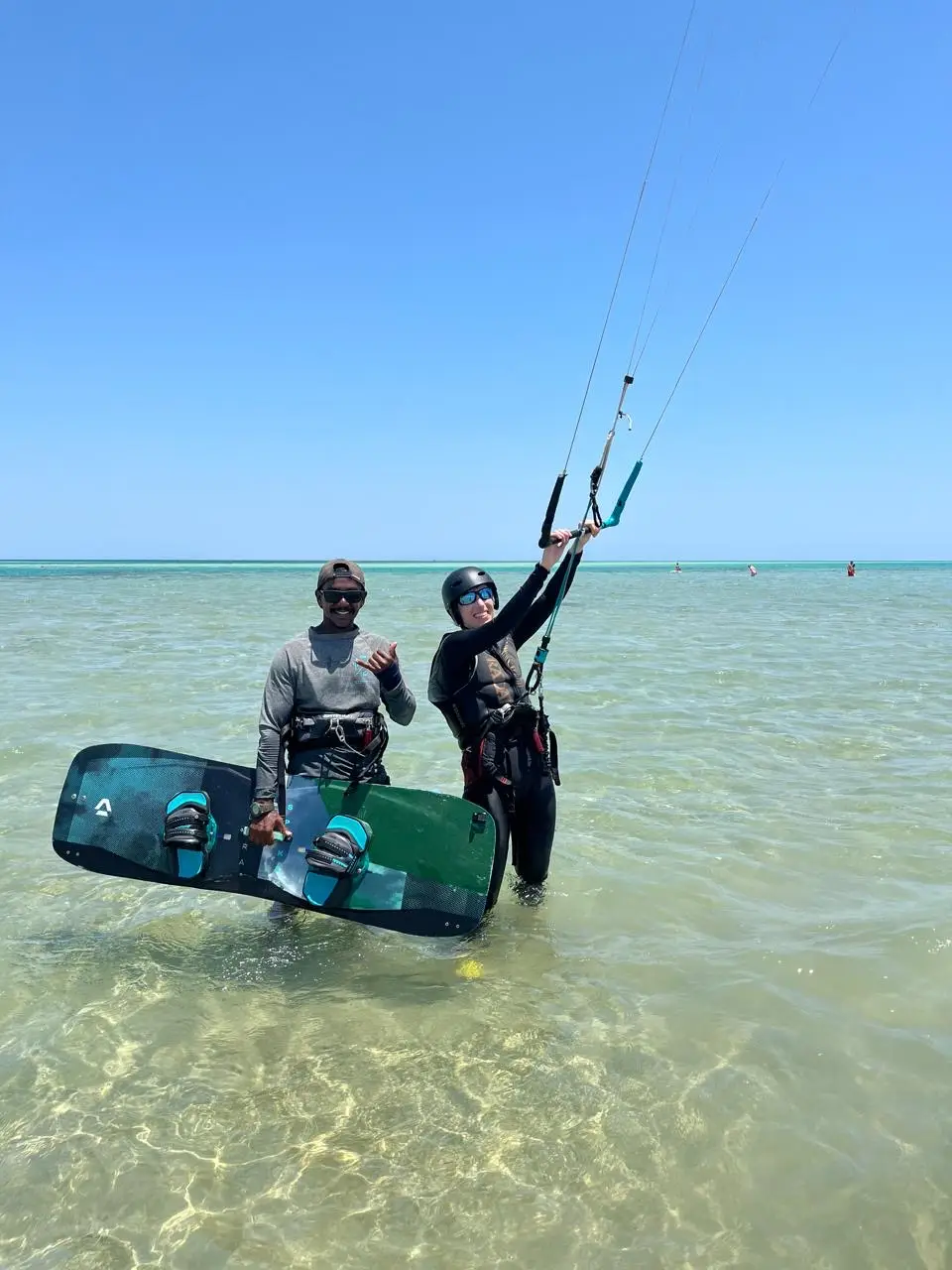
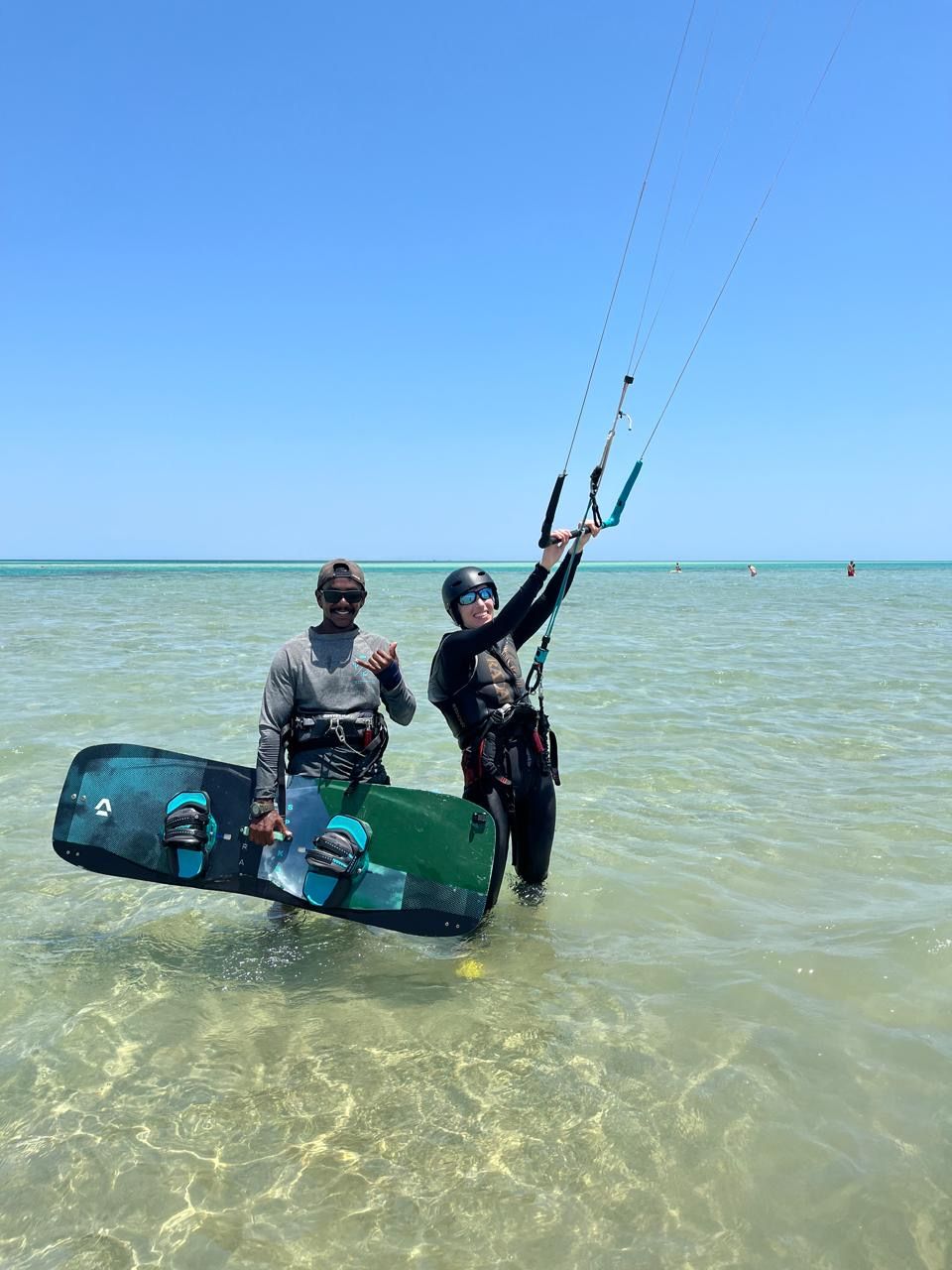
- Many shallow, sandy teaching areas north of town and on the Magawish sandbanks
- Hurghada International Airport (HRG) is the gateway for the whole coast, from El Gouna to Soma Bay
- Several separate spots within an hour: town beaches, lagoons toward El Gouna, Magawish, Soma Bay
Kitesurfing in Hurghada — common questions
How much does a kitesurfing lesson cost in Hurghada?
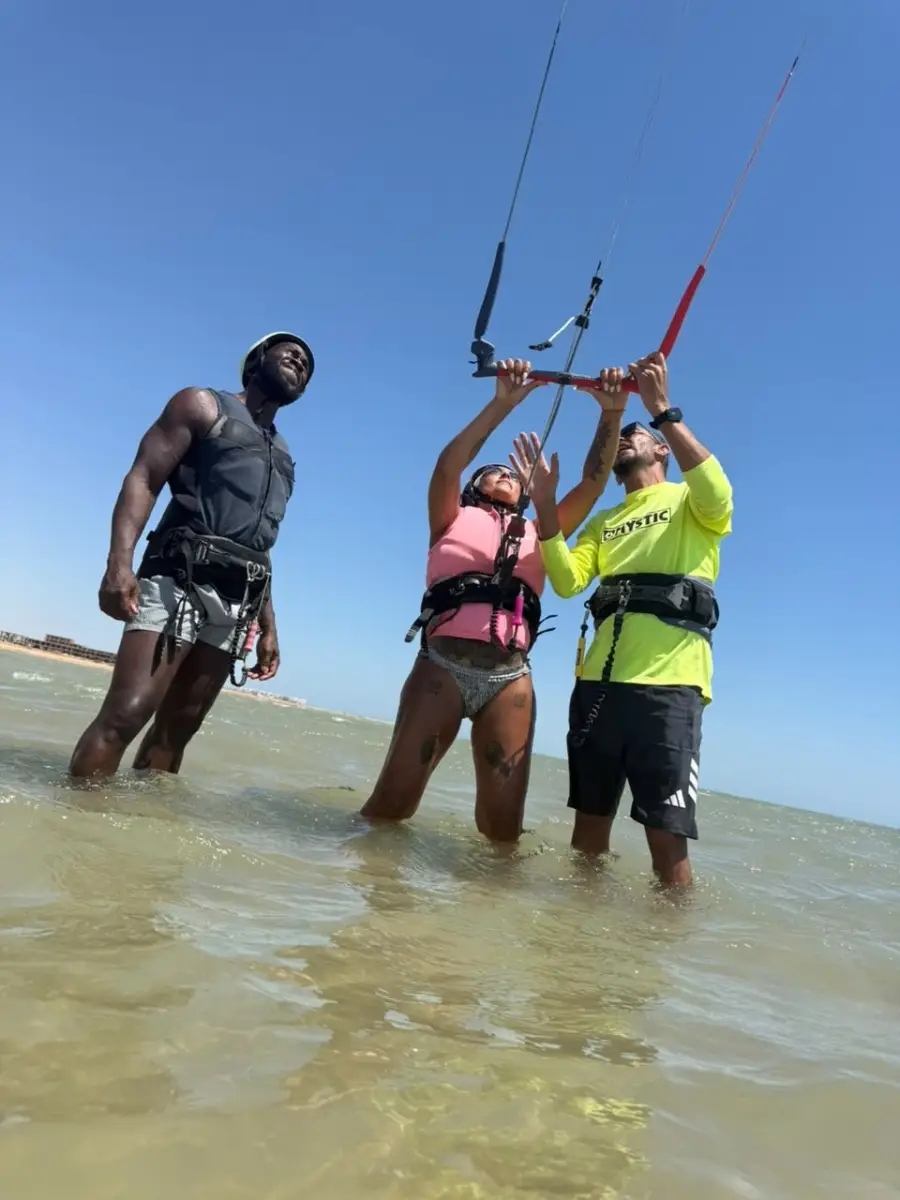
With KiteFlow, lessons start at €120 per person. Refresher and progression session: 2 to 4 h, from €120; Small-group kitesurf course: 6 to 12 h · max. 2 per instructor, from €250; Private kitesurf course: 6 to 12 h · private, from €300; Group Kitesurfing Course (max 3 per instructor): 3 to 12 h · max. 3 per instructor, from €110; Private Kitesurfing Course: 3 to 12 h, from €180; Private kitesurf session: 1 to 3 h, from €70; Private kitesurf beginner course: 8 to 12 h · private, from €440. You choose your dates online and pay nothing today.
Are there kite camps in Hurghada?
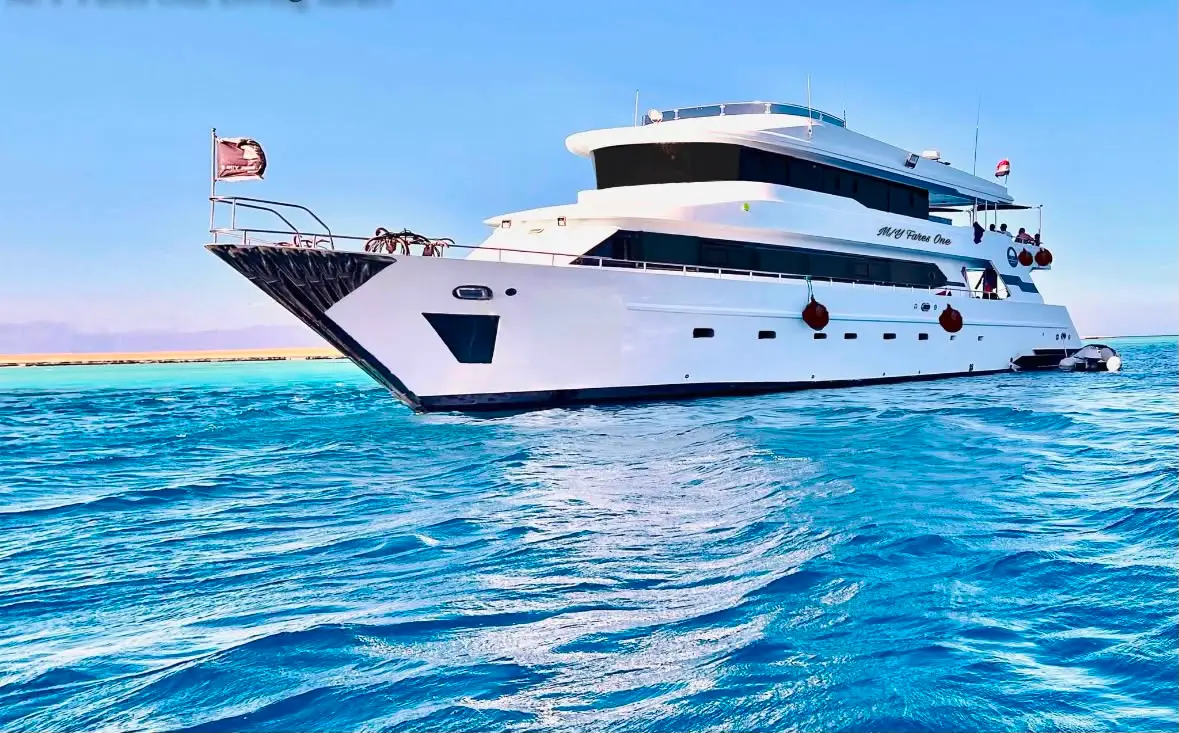
Yes. KiteFlow runs the Saida Kite Safari (7 nights on the yacht Fares, €1,200 per person). Included: 7 nights aboard the yacht fares, full board, breakfast, lunch and dinner every day, snacks, tea, coffee and drinking water, up to 6 hours of kite coaching, experienced crew on board, beach assistants and safety boat support during every session, iko certificate, airport transfer from hurghada (hrg) to marina. Not included: egypt entry visa (about $30, paid at the airport), kite equipment rental (250 eur per week plus 50 eur insurance), crew tip (70 eur), alcoholic drinks on board, extra activities such as diving.
How do I get to Hurghada?
Hurghada International (HRG): Taxi or hotel transfer; the beach between Hurghada and El Gouna is about 28 km, roughly 30 minutes by road Many kite schools pick guests up from their hotel (KiteFlow includes pick-up from Hurghada hotels and charges €10 extra from Makadi Bay or Sahl Hasheesh). A rental car is only useful for exploring the coast.
Do I need a wetsuit to kite in Hurghada?
Sea temperature runs from about 21 °C in February and March to 28 °C in August (Weather2Travel via Wikipedia). Daytime highs are about 22 °C in January and over 35 °C from June to September. A rash vest or shorty is enough for most of the year; on windy winter days a thicker suit is more comfortable.
How much does it cost to learn kitesurfing in Hurghada?
Beginner lessons in Hurghada average €39 per hour booked across the 7 schools that publish a comparable price; the most common course is €450/12h. Private lessons average €52 per hour booked (13 schools, typically €150/3h).
When is the best time to kite in Hurghada?
The best months are May, Jun, Aug, Sep: mean wind 13 to 14 knots (all hours, calm days included — riding days are windier), water 25 to 29 °C, so a 2 mm shorty is usual. Wind measured by Windfinder, station Hurghada Airport (2000-2026).
What are the wind conditions in Hurghada?
The prevailing wind is north to north-northwest (Windfinder's long-term average at Hurghada is NNW at around 12 knots, with gusts around 22 knots). In the main season most schools quote 15 to 25 knots, often building in the afternoon as the desert heats up. Along much of the coast it starts more offshore in the morning and turns side-shore from the left around midday, which is one reason lessons are usually planned for late morning and afternoon. Thekitespot counts 50 to 85 percent of days per month with at least three daylight hours of 4 Beaufort or more, lowest in December and highest in July. The wind blows all year, but sources agree that the stronger, more reliable months run from about March to October and that November to February is lighter and less consistent. They disagree about July: thekitespot lists it as the windiest month, while windsurf.co.uk and a local instructor name March to June and August to October as the best stretches, with July weaker. May, June, August and September are the months every source counts as good.
What's the difference between Thermal wind (main season, roughly March to October) and Winter wind (frontal, roughly November to February) in Hurghada?
Thermal wind (main season, roughly March to October) (North to north-northwest, 15 to 25 knots on most days in the main season (schools' own figures); Windfinder's long-term Hurghada average is 12 knots with gusts to 22 knots) is a thermal wind that builds as the desert heats up through the day: more cross-offshore in the morning, turning side-shore from the left by midday, which is why schools plan lessons for late morning and afternoon., while Winter wind (frontal, roughly November to February) (North to north-northwest, more variable) is driven more by passing winter weather fronts than by the daily thermal cycle, so it is lighter and less predictable day to day than the main season.. Steady enough on most days that a beginner course rarely loses a day to no wind. Book lessons for late morning or afternoon, when it is strongest and most consistent.
Which beach in Hurghada is best for beginners?
Tiba View beach (between Hurghada and El Gouna) and Seahorse Bay (north Hurghada) and Magawish are generally the most beginner-friendly beaches in Hurghada.
Are there rules or restricted zones for kitesurfing in Hurghada?
There is no single public kite beach: most spots sit on private hotel or resort land, and access usually goes through a school or your hotel. Schools set their own launch areas and teaching zones, often marked with buoys. Thekitespot reports that the coast guard does not allow kiting after 5 pm at any spot, hotel or resort; ask your school about the current rule.
How many kitesurfing schools are in Hurghada?
kitesurfing.me lists 23 kitesurfing schools in Hurghada, with prices taken from their published rates.
Do kitesurfing schools in Hurghada offer gear rental?
Yes — a full gear set in Hurghada averages €71 per day across the 7 schools that publish a per-day rate.
What is the best month to kitesurf in Hurghada?
May, June, August and September are the months every source rates as strong and reliable, usually 15 to 25 knots from the north to north-northwest. March, April and October are good too. Sources disagree about July: thekitespot calls it the windiest month, while a local instructor and windsurf.co.uk describe it as weaker.
Is Hurghada good for beginner kitesurfers?
Yes. The wind blows from the north on most days, the water is warm all year, and several beaches, the lagoons north of town, Seahorse Bay and the Magawish sandbanks, are shallow and sandy enough to stand in. Many schools pick students up from their hotel, so beginners do not need a car.
What wind direction does Hurghada get?
North to north-northwest on most days. Windfinder's long-term average at Hurghada airport is NNW at about 12 knots with gusts around 22 knots, and in the main season schools quote stronger, steadier wind of 15 to 25 knots that often turns side-shore from the left by midday.
Do I need a wetsuit to kitesurf in Hurghada?
Not for most of the year. The Red Sea runs from about 21°C in February and March to 28°C in August, so a rash vest or shorty is enough most months. On windy winter days a thicker suit makes a long session more comfortable.
Where exactly do you kitesurf in Hurghada?
Hurghada's kite spots are spread along about 36 km of coast rather than one beach: shallow lagoons north of town toward El Gouna, the sandbanks around Magawish reached by boat, hotel beaches in town, and Soma Bay about 45 km south. Most sit on hotel or resort land, so where you ride depends on your hotel or school.
Is there a kiting curfew or rule to know about in Hurghada?
Yes. There is no single public kite beach: access usually goes through a school or your hotel, and launch areas are often marked with buoys. Thekitespot reports that the coast guard does not allow kiting after 5 pm at any spot, hotel or resort, so plan your last session before then.