
Best Time to Kitesurf in Santa Cruz: Season Guide
Find the best time to kitesurf in Santa Cruz, Nicaragua, with a seasonal guide, lesson prices from 65 USD and tips for your lake trip.
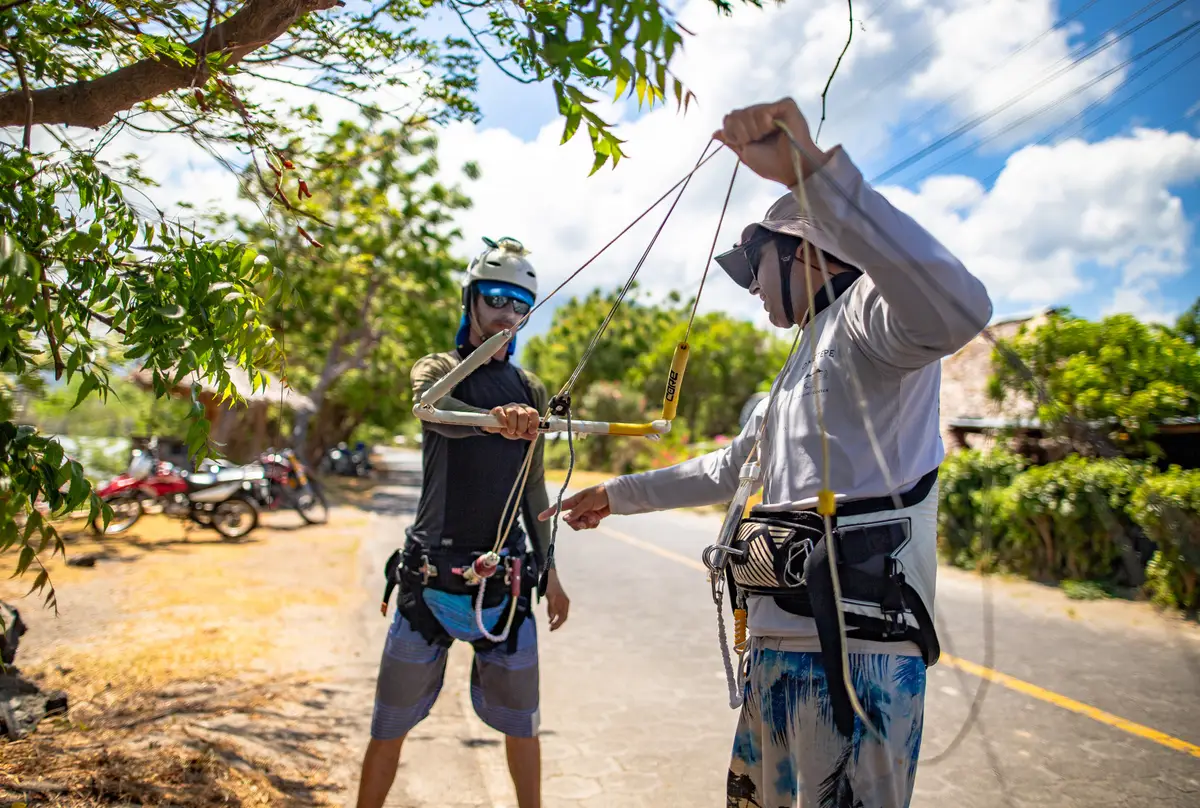
The best time to kitesurf in Santa Cruz, Nicaragua, is generally during the November to May wind season. Conditions can be strong, so check the forecast and choose a session with the school. Playa Santa Cruz has shallow freshwater for lessons and choppier water farther out on Lake Nicaragua.
Key takeaways: Plan around the November to May wind season, but choose each session with the forecast and your ability in mind. Beginners can ask for instruction at Playa Santa Cruz. kitesurfing.me lists one local school and a private one-hour lesson for 65 USD.
When is the best time to kitesurf in Santa Cruz?
The Santa Cruz wind season generally runs from November to May, when trade winds make the island a destination for kitesurfing. East to east-northeast wind meets much of Playa Santa Cruz from the side or side-onshore. Check the forecast and the beach itself before deciding whether to ride.
One spot description gives a wind range of 15 to 35 knots. Treat that as a broad description of possible conditions, not a monthly average or a promise for your trip. The upper end calls for experience, and beginners should let an instructor judge whether a session is suitable.
Santa Cruz sits on Ometepe's narrow isthmus between the Concepción and Maderas volcanoes. Wind can run from morning into evening, although local descriptions also mention a midday lull and a later pickup. Leave room in your plans so you can ride when the wind and launch suit your ability.
The curved shoreline changes the wind angle along Playa Santa Cruz. Before rigging, walk to the water, watch the wind and agree on a clear landing area. The Santa Cruz spot guide covers the beach layout and gives more detail for a first visit.
How do Santa Cruz kitesurfing conditions change through the year?
Santa Cruz's main kitesurfing season spans November to May, while the rainy season generally runs from May through October. Those windows overlap in May. They help you choose travel dates, but they cannot tell you whether the wind will be suitable on a particular day.
November and December fall at the start of the general wind-season window. If you plan to arrive then, contact the school with your dates and ask what it expects at Playa Santa Cruz. Build some flexibility into your stay so that a poor forecast does not decide the whole trip.
January, February and March sit within the November to May season. They also overlap Nicaragua's generally drier months, which run from December through April in the western lowlands. A dry day does not guarantee rideable wind, so check both the weather and the local forecast before heading out.
April and May also sit within the general wind-season window. May overlaps the start of the rainy season, so ask about current beach access and allow time around changing weather. The Nicaragua kite destination guide is useful if you want to add another stop to your trip.
June through October falls outside the main window described here. You can still ask the school about a session, but plan other things to do on Ometepe. Lake levels can change the amount of sand available for launching, so check the beach even when the forecast looks promising.
Published Santa Cruz wind statistics need careful reading. A monthly ranking of Ometepe against other wind areas can change because conditions elsewhere change. It cannot establish which month has the strongest local wind. Use the seasonal guide for planning, then use a current forecast and local advice for each session.
Which months suit Santa Cruz beginners?
Beginners can plan a Santa Cruz lesson during the November to May wind season and choose the actual session with an instructor. Playa Santa Cruz has shallow freshwater near shore, but conditions can be strong. An instructor can judge the wind, kite size and available launch space on the day.
Playa Santa Cruz is the established teaching beach on the island's isthmus. Dark sand borders shallow water, and the open lake lies beyond it. A beginner can practise close to shore with instruction. Farther out, wind-driven chop asks more of your board control and your ability to return to shore.
One partner school teaches kitesurfing at Santa Cruz. Tell the listed Santa Cruz kite school whether you have flown a kite or ridden a board before. Its private beginner courses run for 3, 6, 9 or 12 hours, giving you several ways to fit lessons into your stay.
Independent riders can use the same beach, but should assess the launch for themselves. Give swimmers and other beach users room, and agree with local riders on a place to launch and land. Lake levels alter the width of the sand, so the space available can differ from an earlier visit.
If the wind looks too strong for your experience, wait for a suitable session or make another plan for the day. Ask the school where you should return to shore and how the day's wind angle affects that route. The Santa Cruz kitesurfing page can also help you plan future trips.
How warm is Santa Cruz water, and what should you wear?
Santa Cruz has warm freshwater, so pack a rash guard and an extra layer for longer sessions. Wind can make you feel cooler when you are wet, even if the lake feels warm at first. Bring a dry layer for the trip back from Playa Santa Cruz.
Your Santa Cruz wetsuit choice depends on how easily you get cold and how long you expect to spend in the water. Ask the school what it recommends for your lesson and whether any clothing is included. Sun protection is useful for time spent setting up or waiting on the beach.
Santa Cruz weather changes through the year. The western lowlands are generally driest from December through April, while May through October is the rainy season. Rain and changing lake levels can affect the usable strip of sand. Look at the actual launch area when you arrive, rather than relying on old photos.
Playa Santa Cruz is on Lake Nicaragua, so the water is fresh rather than salty. The shallow area near shore is useful for lessons, while exposed water farther out can be choppy. Ask the instructor where the lesson will take place and how the conditions may affect your time on the water.
What can you do without wind in Santa Cruz?
On a day without wind in Santa Cruz, visit Ojo de Agua, walk at Charco Verde or explore Ometepe's volcanic scenery. The island has two volcanoes, Concepción and Maderas, joined by an isthmus. These outings also give you options when you visit outside the November to May wind season.
Ojo de Agua is a freshwater spring on Ometepe. Charco Verde has a lagoon, forest paths and a dark-sand beach. Pick an outing that fits the time you have, and keep part of the day free if you want to return to Playa Santa Cruz when conditions change.
The San Ramón waterfall is another island outing near Maderas. Ometepe also has archaeological sites with pre-Columbian stone carvings. If you are staying beyond your lessons, ask locally about the time needed for an excursion and leave space in your plans for the return journey.
For the journey to Santa Cruz, take the ferry from San Jorge to Moyogalpa. The crossing takes roughly one hour; check the departure locally. A taxi or bus then continues to Santa Cruz, around 40 to 50 minutes away by road. Wind can interrupt ferry service, so leave time around the crossing.
A taxi can be practical when you have a large kite bag. Check how much luggage you can take before you book your transfer, and keep your lesson dates flexible if your arrival depends on the ferry. The guide to reaching Santa Cruz with kite gear covers the journey in more detail.
How do you book a lesson in Santa Cruz?
To book a lesson in Santa Cruz, send a request to the school listed on kitesurfing.me. One partner school teaches at the spot. The school confirms your request, and you pay there. Its private lessons and beginner courses include an instructor and kitesurf equipment.
A private one-hour lesson costs 65 USD. The private beginner courses cost 190 USD for 3 hours, 340 USD for 6 hours, 470 USD for 9 hours or 590 USD for 12 hours. Each option includes kitesurf equipment and an instructor, so choose the duration that fits your stay.
- Choose a duration that fits your stay and ask the school how sessions are scheduled around conditions.
- Send your request through the school's lesson page, then wait for confirmation and pay at the school.
For a November to May trip, share your dates and experience when you request a lesson. Ask how the school handles a day when the wind is unsuitable and how much time to leave between arrival and your first session. Confirm the current price before booking, since the listed prices may change.
Independent riders can use the Playa Santa Cruz riding guide to prepare for the launch. Check the space on the sand, the wind angle and your route back to shore. At busy moments, leave room for swimmers and other people using the beach.
If your schedule includes more of the country, the Nicaragua kitesurfing overview can help you plan the next stop. Keep your Santa Cruz lesson request separate from ferry and road arrangements, and allow enough time for the school to confirm a session that suits the forecast.
What wind is good for kitesurfing in Santa Cruz?
East to east-northeast wind generally works at Playa Santa Cruz, meeting the curved shore from the side or side-onshore. A spot description gives 15 to 35 knots as a broad range, not a monthly average. Choose conditions and equipment for your ability, and check the launch and return route.
Can you kitesurf in Santa Cruz in winter?
Yes. December, January and February fall within the general November to May Santa Cruz kitesurfing season. The lake has shallow freshwater near Playa Santa Cruz and chop farther out. Conditions can be strong, so beginners should ask the school to choose a suitable session with them.
Where should beginners kitesurf in Santa Cruz?
Playa Santa Cruz is the established teaching beach for beginners in Santa Cruz, Nicaragua. Its dark-sand shore leads into shallow freshwater, while the exposed lake can be choppier farther out. Take instruction there and check the wind and available launch space before setting up a kite.
How should you bring kite gear to Santa Cruz?
Take the ferry from San Jorge to Moyogalpa on Ometepe, then continue by road to Santa Cruz. The crossing takes roughly one hour; check the departure locally. A taxi is practical for a large kite bag, and the road transfer takes about 40 to 50 minutes.
Does Santa Cruz have a dry season for kitesurfing?
Yes. December through April is generally the driest period in Nicaragua's western lowlands, overlapping the November to May Santa Cruz wind season. Dry weather does not guarantee suitable wind. Check the forecast and the Playa Santa Cruz launch area, since lake levels can change the space available.