Best Time to Surf in Jobos: A Month-by-Month Guide
The best time to surf in Jobos depends on your level. Explore 12 months of wave and water averages, lesson prices and local conditions.
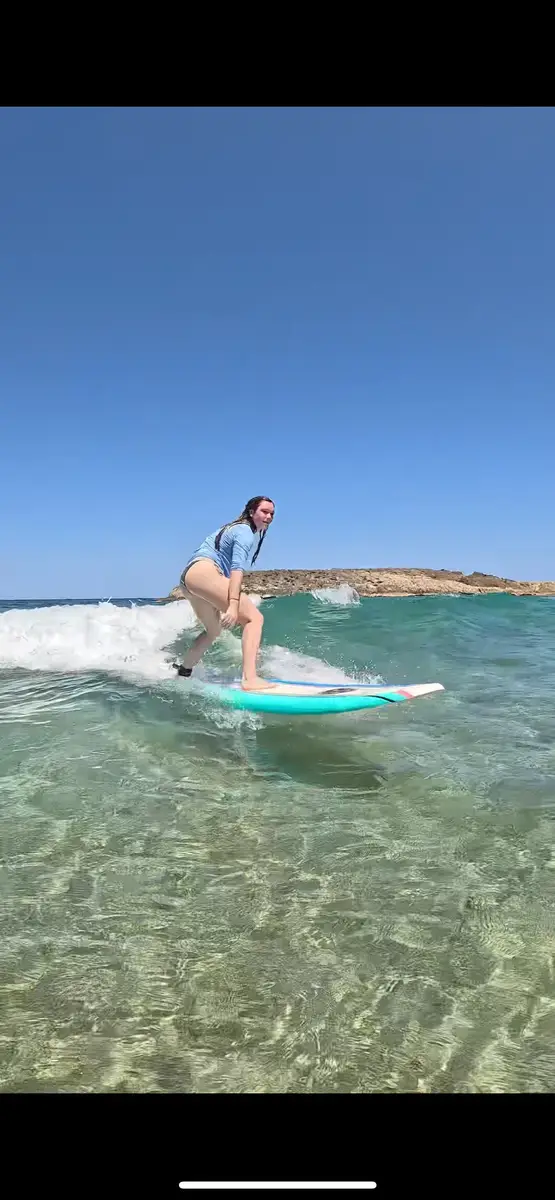
The best time to surf in Jobos, Puerto Rico, is November to April for consistent northern swell. Monthly open-ocean wave averages range from 4.2 to 5.1 feet during those months, favoring experienced surfers at the reef. Beginners can look for smaller days on the inside with an instructor.
Key takeaways: Pick November to April for more consistent northern swell. Choose a small day and the sandy inside for a first lesson. Pack a rash guard for water that averages at least 79 °F year-round.
When is the best time to surf in Jobos?
The main surf season at Jobos runs from November through April, when northern Atlantic swell is most consistent. The open sea averages 5.1 feet in December, January, February and March. Those figures describe waves offshore, so watch the breaking surf before choosing a peak.
Jobos faces north and receives swell from northwest through northeast. Its main right breaks beside the eastern headland and runs into the bay over reef. South or southeast wind generally cleans up the surface, while the headland shelters the main reef from some trade wind. The Jobos spot guide describes the surfing areas.
The main right can run from chest-high to overhead. Its takeoff can get crowded, and lower tides leave less water over the reef. Give the surfer closest to the breaking part of the wave priority and wait your turn. If the swell looks too strong, watch from shore or ask an instructor about the inside.
May through August bring lower monthly offshore averages, from 3.2 to 3.6 feet. That makes summer worth considering for travelers seeking a gentler session, although an average includes both flat and larger days. Leave room in your plans to check the beach each day. A smaller month does not promise a beginner-friendly wave.
What is Jobos like month by month?
Jobos has its highest listed monthly offshore wave average, 5.1 feet, from December through March. June has the lowest at 3.2 feet. Water stays warm throughout the year, from about 79 °F in February and March to 84 °F in late summer and autumn.
The wave figures below are open-sea monthly averages for 2011 to 2020, derived from reanalysis. Use them to choose a season, not to predict the height of a breaking wave at Jobos. The water figures are monthly averages for 1991 to 2020. Both sets include days above and below the average.
Crowds at the Jobos main takeoff change from day to day, so watch the lineup before paddling out. The monthly wave figures do not measure how many people surf there. The guide to staying near Jobos can help you choose a base with convenient access to PR-466 and nearby beaches.
| Month | Average offshore wave height | Average water temperature |
|---|---|---|
| January | 5.1 ft | 80 °F |
| February | 5.1 ft | 79 °F |
| March | 5.1 ft | 79 °F |
| April | 4.2 ft | 80 °F |
| May | 3.6 ft | 81 °F |
| June | 3.2 ft | 83 °F |
| July | 3.4 ft | 83 °F |
| August | 3.4 ft | 84 °F |
| September | 3.8 ft | 84 °F |
| October | 4.0 ft | 84 °F |
| November | 4.6 ft | 83 °F |
| December | 5.1 ft | 81 °F |
April sits between the winter peak and the smaller summer averages, at 4.2 feet offshore. November rises to 4.6 feet before December reaches 5.1 feet. Those changes help experienced surfers choose travel dates, but swell direction, period, wind and tide all affect the actual break. Check the forecast and look at the water before paddling out.
Which months are best for beginners in Jobos?
May through August are a useful starting point for beginners planning a Jobos trip: monthly offshore waves average 3.2 to 3.6 feet. Choose a small day and the inside wave toward the sand. An instructor can assess the entry and currents before a lesson.
The inside and the outer reef are separate choices at Jobos. Smaller waves roll toward the sandy beach, while the main right begins beside the eastern rock headland. The reef takeoff draws a crowd and can become shallow. First-time surfers should stay with their instructor and leave the outer wave to surfers with suitable experience.
Nearby Montones has a protected pool and a separate surf area. Water beyond its reef wall opens to the Atlantic, so check the entry and current locally before surfing there. Middles has a fast wave over shallow rock and coral, with strong currents. Beginners can watch that break from shore and save their session for a more suitable spot.
Winter can also bring manageable inside waves at Jobos, even though January averages 5.1 feet offshore. Ask about conditions on the day instead of choosing a session from the calendar alone. The Mabodamaca Surf Tours listing gives beginners a place to send a lesson request and explain their experience.
Before entering at Jobos, spend time watching where waves break and where other surfers paddle. Look for the route back to shore as well as the entry. If you cannot judge the current or the waves look beyond your ability, ask your instructor or wait for another day. A board and a lesson booking do not make every session suitable.
How warm is the water at Jobos?
Jobos water averages about 79 to 84 °F over the year, so boardshorts or a swimsuit and rash guard suit many surfers. February and March are the coolest months in the data. August through October average about 84 °F, making sun protection useful throughout a session.
A rash guard also helps protect skin from rubbing against a board during a Jobos lesson. Bring sunscreen suitable for water use, and apply it before getting in. A hat and drinking water are useful on the beach, especially if you plan to watch the reef between sessions. Ask the school what equipment comes with your lesson.
Jobos weather deserves a separate check from water temperature. Atlantic hurricane season runs from June 1 through November 30, overlapping the smaller summer wave averages and the start of the main surf season. Check official weather alerts before travel and follow local beach warnings when storms or large surf affect the coast.
September water averages 84 °F after rounding. December averages 81 °F, even as offshore waves rise to 5.1 feet. Pack for warm water in both months, then choose where to paddle based on the surf and current you find at Jobos. A warm sea does not tell you whether the reef is safe that day.
Check the daily wind and swell forecast close to your session, then take another look from shore. A forecast covers a wider stretch of coast, while the reef and headland affect how waves break at Jobos. If you have booked a lesson, confirm the meeting plan with the school when conditions change.
What can you do on a flat day in Jobos?
On a flat day at Jobos, visit Pozo de Jacinto at the eastern end of the beach or drive to the Guajataca Tunnel. The former railway tunnel is east of Jobos and can be reached by car. Its path leads to Guajataca beach, where strong Atlantic surf makes shore visits the better choice.
At Pozo de Jacinto, keep back from the unrailed rock shelf. Waves can wash over the rock and leave it slippery, even when you have come to look rather than surf. Restaurants sit along the Jobos beach area beside PR-466, making lunch near the water an easy option between surf checks.
A rental car also lets you look at Montones and Middles from shore. Montones has a sheltered pool beside its separate surf area, while Middles is a powerful reef break. Read the conditions and posted warnings at each stop. The Jobos beach and break notes outline the differences in level.
For a longer break from the coast, explore Guajataca State Forest in Isabela. Keep a change of clothes and water in the car, then return to Jobos for another look at the inside. June has the lowest offshore monthly average at 3.2 feet, but individual days within any month vary. A flat morning need not decide the whole day's plan.
How do you book a surf lesson in Jobos?
Kitesurfing.me lists one school teaching surfing at Jobos. Mabodamaca Surf Tours offers a one-hour group lesson for 100 USD and a one-hour private lesson for 115 USD. Send a request on the marketplace, wait for the school to confirm, and pay at the school.
The group option costs 15 USD less per listed lesson than the private option. For a first session, tell the school about your swimming and surfing experience when you request a date. Ask where to meet at Jobos and what to bring, then let the instructor assess the inside wave and current.
The Mabodamaca Surf Tours page is where you can review the two lesson options and send your request. A November to April trip gives experienced surfers access to the main swell season, while beginners should seek a suitable small day. Ask the school how it handles a booking if the surf is unsuitable.
If you arrive at Rafael Hernández Airport in Aguadilla with a board, arrange a car or transfer with room for the bag. Jobos Beach lies on PR-466 in Isabela. Check airline board fees before flying and vehicle capacity before collecting a rental car. The Jobos location guide has the approach details.
A car gives you room to carry a board between your base and the beach, provided the vehicle can fit your gear. Check the board bag dimensions before you book. If you would rather take a lesson without traveling with a board, ask the school about equipment when you send your request.
- Choose a group or private lesson and send your preferred Jobos date.
- Wait for Mabodamaca Surf Tours to confirm the request.
- Pay at the school and check the meeting point before setting out.
Is high tide the best time to surf at Jobos?
High tide can work at Jobos, and the main reef can also work at other tides. Lower water leaves less depth over the reef. Watch the break from shore and choose a session that suits your experience and the day's conditions.
When is the worst time to visit Jobos for weather?
June through November brings Atlantic hurricane season to Jobos travel planning, with the season ending on November 30. A storm can disrupt flights, roads and beach access, so follow official alerts and keep plans flexible. The same period includes smaller summer wave averages and the beginning of the northern swell season.
How should I read Jobos weather and swell together?
At Jobos, check swell direction and size alongside wind, tide and beach warnings. North-facing Jobos receives northwest through northeast swell, while south or southeast wind generally cleans up the surface. A 5.1-foot offshore monthly average describes a season, not the breaking wave you will find on a particular day.
How do I handle a rip current at Jobos?
If a rip current carries you away from Jobos Beach, stay calm and do not swim against it. You may be able to escape by swimming along the shoreline or toward breaking waves, then angling toward shore. If you cannot escape, float or tread water, wave and call for help.
Where should surfers stay near Jobos?
Stay near Jobos Beach and PR-466 for access to the beach and places to eat. Isabela is another base for reaching Jobos, Montones and Middles by car, while Aguadilla puts you near Rafael Hernández Airport. The Jobos accommodation area guide explains the choices.