Best Time to Surf in Manglaralto: Months Guide
Find the best time to surf in Manglaralto with monthly wave figures, water temperatures and 2-hour lesson prices for your trip.
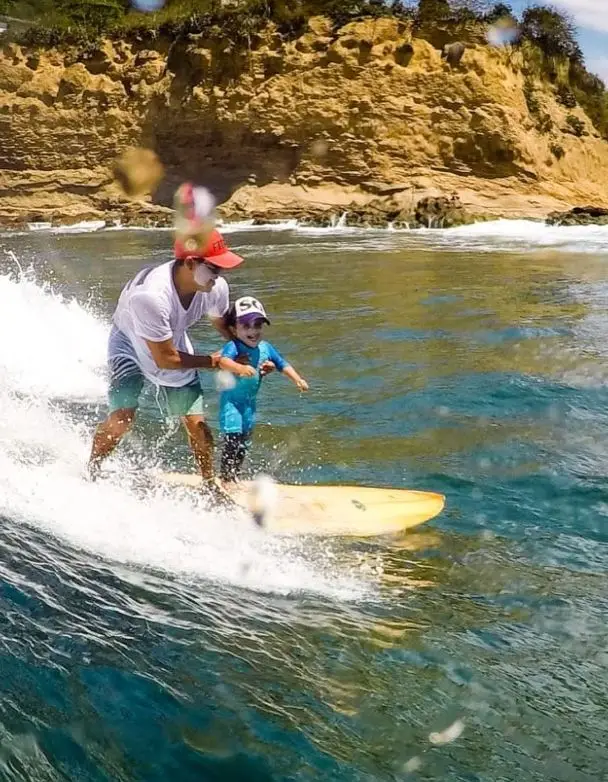
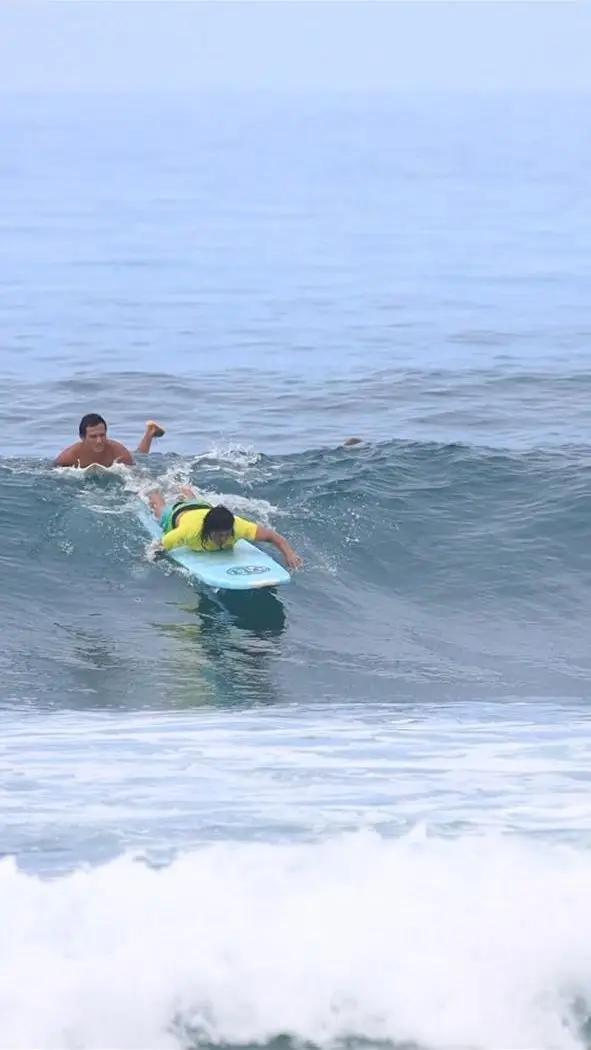
The best time to surf in Manglaralto, Ecuador, depends on your ability and the conditions during your stay. May and June had the highest shares of days classified as surfable in a 2020 to 2024 record measured near Montañita. The classification threshold is unpublished, so use the figures as broad context rather than a guide to beginner conditions. For a first lesson, choose a small day with an instructor.
Key takeaways: May and June lead the nearby historical record, although its surfability threshold is unpublished. February to April has the warmest regional water averages, around 28°C. For a first lesson, pick small waves with an instructor. The school listed here offers two-hour lessons from USD 35.
When is the best time to surf in Manglaralto?
Manglaralto has waves throughout the year. May and June had the highest shares of days classified as surfable in a 2020 to 2024 record measured near Montañita. The classification threshold is unpublished, so the figures give broad context rather than a guide to beginner conditions. For a first lesson, choose a small day with an instructor.
The record puts May at 80% and June at 74%. Those numbers may help you choose dates if you can travel at different times, but they do not tell you the wave size or quality on your beach. They also do not say how many days would have suited someone learning to stand up.
Northwest swells reach this coast from December to April, while south swells arrive from May to October. January to May also brings the north, northwest and southwest swells associated with Montañita's point. These are seasonal patterns, so check the actual swell and wind before deciding where to enter the water.
Manglaralto's west-southwest-facing beach has sandbanks that shift and produce both left and right waves. East or northeast winds blow offshore, while onshore wind can roughen the wave faces. Mid tide is a useful starting point for checking the beach. The Manglaralto surf spot guide explains the breaks and hazards in more detail.
Water warmth may also shape your plans. February, March and April each average around 28°C in the regional series, while September averages about 24°C. If you have fixed dates, allow time for more than one surf check. The Ecuador surfing guide gives context for a longer trip along the coast.
What is Manglaralto like month by month?
Near Manglaralto, May reached 80% in the historical surfable-day record and June reached 74%, the two highest monthly shares. March was lowest at 30%. The table pairs the 2020 to 2024 record measured near Montañita with rounded water temperatures for the wider Santa Elena region.
The percentages use an unpublished surfability threshold. They do not show the chance of a beginner lesson, clean waves or a particular wave height. The water figures are monthly averages from a separate regional series, whose period is not stated. Neither set of figures is a forecast for your travel dates.
| Month | Historical surfable-day share | Regional water temperature |
|---|---|---|
| January | 52% | About 26°C |
| February | 49% | About 28°C |
| March | 30% | About 28°C |
| April | 50% | About 28°C |
| May | 80% | About 27°C |
| June | 74% | About 27°C |
| July | 57% | About 26°C |
| August | 67% | About 25°C |
| September | 66% | About 24°C |
| October | 71% | About 25°C |
| November | 64% | About 25°C |
| December | 37% | About 25°C |
February through April has the warmest water in the table, yet the recorded surfable-day shares range from 30% in March to 50% in April. May and June combine the two highest shares with water around 27°C. If warm water matters most to you, those figures give you several months to consider.
August through November each exceeded 60% in the historical record. October reached 71%, with regional water around 25°C, while September reached 66%, with water around 24°C. Those figures describe past regional conditions, so leave room in your plans for the day's actual waves and for advice from an instructor.
December's share was 37%, even though northwest swells reach the coast during that season. A lower monthly share does not mean every day is flat, just as a higher share does not promise waves for your level. Crowds vary by beach, day and holiday; check the lineup before entering.
Which months suit beginners in Manglaralto?
Beginners can learn in Manglaralto in any month when the waves suit their ability. February to April has regional water averages around 28°C, while May and June lead the nearby historical surfable-day record. Neither figure guarantees gentle surf, so ask an instructor to choose the day's lesson spot.
Manglaralto Beach has sandy peaks that shift with the sandbanks. Waves typically range from about 0.6 to 2 metres, so the same beach can feel very different from one day to the next. For a first session, ask your instructor to find small white water close to shore where you can practise controlling the board.
Olón, north of Montañita, has a long sandy beach where beginners can look for smaller inside waves. Southern Montañita also has sand-bottomed peaks. At its northern end, La Punta breaks over rock and suits experienced surfers. Watch each beach before entering and ask about currents, even when the waves look manageable.
The choice between beaches also depends on the kind of session you want. A beginner can focus on small broken waves at Manglaralto or look at Olón's inside waves with an instructor. A surfer with more experience can assess the shifting peaks or La Punta, while respecting the people already in the water.
On kitesurfing.me, the one school teaching surfing in Manglaralto lists a two-hour semi-private lesson for USD 35 and a two-hour private lesson for USD 50. Both include theory. The private option gives you individual instruction; the semi-private lesson costs USD 15 less. See the school's lesson options for details.
Tell your instructor about your swimming experience and any worries before the lesson. Ask where you will enter and leave the water, and what you should do if a current pulls you away from that spot. If the waves look too large, say so. The surfing lessons page also lists places to learn beyond Manglaralto.
Give swimmers and other surfers plenty of room, and keep hold of your board where you can do so safely. Let a rider already on a wave pass before you paddle across the break. Taking a moment to watch the lineup helps you see where people are catching waves and where they return to shore.
What should you wear surfing in Manglaralto?
Regional monthly water averages near Manglaralto range from about 24°C in September to 28°C in February, March and April. Bring swimwear and a surf top, and pack a light wetsuit if you get cold during longer sessions. These averages describe past conditions; ask the school about current conditions and equipment before your lesson.
What can you do on a flat day in Manglaralto?
Walk toward Montañita for food and nightlife, visit Olón for another sandy beach, or ask a local operator about a day trip to Isla de la Plata. Whale-watching trips are seasonal and depend on sea conditions. Humpback whales pass the coast roughly from June to October. The Manglaralto accommodation guide can help you choose a base.
How do you book a lesson in Manglaralto?
Request a two-hour lesson with Marcriada on kitesurfing.me. The semi-private lesson costs USD 35 and the private lesson USD 50; both include a theory session. Tell the school your experience and preferred date, wait for confirmation, and pay at the school.
Allow about two and a half hours to drive from Guayaquil to Manglaralto, depending on traffic. You can arrange a private road transfer or take buses through the Santa Elena coast. If taking the bus, confirm the coastal connection and space for your board before departure. Buses and taxis serve the coastal communities.
A car gives you flexibility to visit nearby breaks with your board. Allow time to settle in before your lesson and keep your plans flexible until the school confirms the session. Check the local Manglaralto break details before choosing where to paddle out, especially if you plan to surf without an instructor.
For a longer journey, the Ecuador surf travel page can help you place Manglaralto among other coastal stops. If you prefer to stay close to the beach, the guide to places to stay in Manglaralto covers the choice of a base for your visit.
Are there waves in Manglaralto in December?
Yes. Northwest swells reach Manglaralto from December to April. The nearby 2020 to 2024 record gives December a 37% historical surfable-day share, and regional water averages about 25°C. The share does not predict lesson conditions, so allow several days and choose a peak that suits your ability.
Is Manglaralto or Montañita better for a first surf trip?
Manglaralto has a sandy beach and access to two-hour lessons, making it a practical base for beginners. Southern Montañita also has sandy peaks. Its northern point, La Punta, breaks over rock and suits experienced surfers. Choose central Montañita if you want restaurants and nightlife close by.
How do I get to Manglaralto with a surfboard?
Allow about two and a half hours to drive from Guayaquil to Manglaralto, depending on traffic, or arrange a private transfer. If you travel by bus, confirm the coastal connection and board space before departure. Buses and taxis serve coastal communities, while a car gives you more flexibility.
What surf etiquette should I follow near Manglaralto?
At Manglaralto Beach, keep control of your board and leave room for swimmers and other surfers. Yield to the surfer closest to the breaking peak. At Montañita's La Punta, take turns in the lineup and stay clear of a rider's path. Check currents before you paddle out.
Can experienced surfers find larger waves near Manglaralto?
Experienced surfers can explore Manglaralto's shifting left and right peaks or visit Montañita's La Punta, a right-hand point over rock. Manglaralto Beach typically has waves around 0.6 to 2 metres. Check the day's size and currents before paddling out, and give other surfers room in the lineup.