Papamoa Beach Surf Spots: A Guide to 5 Breaks
Papamoa Beach surf spots include 5 places for different abilities. Find access points, hazards, coaching prices and tips for travelling with a board.
Papamoa Beach surf spots give travellers a choice of sandy banks on the Bay of Plenty coast of New Zealand. Start at Papamoa Domain for access and small whitewater, or head west to Tay Street and Mount Maunganui Main Beach. Harrison's Cut and Arataki call for more experience with shifting banks and currents.
Key takeaways: Start at Papamoa Domain when the whitewater is small. Leave Harrison's Cut and Arataki for conditions you can handle. Check the waves from shore, and arrange space for your board before travelling between beaches.
Which Papamoa Beach surf spots are closest?
Papamoa Domain and Harrison's Cut are both on Papamoa Beach, making them useful first checks for a local stay. Arataki lies west towards Mount Maunganui. Tay Street and Main Beach add two more choices on that drive, with Main Beach about 15 minutes away by car.
Papamoa Domain is a practical first stop if you are carrying a board on foot. Parking, shops and a surf lifesaving club are nearby, and paths cross the dunes. Walk down to the water before changing. Watch several sets and look for a stretch with room between surfers and swimmers.
The open coast has several peaks, but moving sand changes their shape. Harrison's Cut has access near a boat ramp, while Girven Road provides access to Arataki. A car helps when you want to check more than one bank with a board. The Papamoa Beach spot page explains the wider setting.
Give yourself time to look at the water rather than choosing a beach solely by its name. A bank that worked on a previous trip may have changed, and a sheltered-looking gap can conceal a rip. If the waves or current look beyond your ability, wait or choose another day.
How do Papamoa Domain and Harrison's Cut differ?
Papamoa Domain is the easier first check for beginners seeking small whitewater and nearby facilities. Harrison's Cut suits more experienced surfers who can assess shifting banks and channels. At the cut, low to mid tide can sharpen the peaks, while strong rips demand a careful look from shore.
Motiti Island reduces some swell reaching Papamoa Domain, so the beach is worth checking when conditions look large elsewhere. Shelter does not remove the need to assess currents and the breaking waves. Pick a manageable section, keep your board outside the swimming flags and leave space for other people.
At Harrison's Cut, watch the water near the boat ramp as well as the waves farther out. A darker, calmer gap between breaking waves can signal a rip. Decide where you would enter and leave the water before paddling out. If you cannot identify a safe route, keep looking.
| Spot | Ability and conditions | Access | Main hazard |
|---|---|---|---|
| Papamoa Domain | Beginners in small whitewater; experienced surfers when conditions suit | Dune paths, parking and facilities near the domain | Rip currents and swimmers |
| Harrison's Cut | Intermediate and advanced surfers who can assess channels | Beach access near the boat ramp | Strong rips and moving water near the cut |
| Arataki | Experienced surfers in variable conditions | Beach access at Girven Road | Rip currents and sizeable swell |
| Tay Street | Surfers able to judge the day's waves and available space | Coastal road access at Mount Maunganui | Other water users and shifting banks |
| Mount Maunganui Main Beach | Beginners in small waves; experienced surfers at suitable peaks | Beach access near Mauao and town facilities | Swimmers, changing waves and currents |
Southwest winds are offshore along Papamoa Beach and can help tidy the waves at both sections. Swell from the northeast and east reaches the coast, though each bank responds differently as sand moves. Use the Papamoa Beach timing guide for seasonal context, then check the beach itself.
Historical model estimates can help with trip planning, but they cannot tell you which bank will work today. The model describes swell reaching the coast rather than a measured wave at a particular break. Tide, wind and the shape of the sand all affect what you see when you arrive.
When should you check Arataki or Tay Street?
Check Arataki if you have the experience to handle variable banks and rips beyond Papamoa Domain. Tay Street is a Mount Maunganui option about 10 to 15 minutes from Papamoa Beach. At both places, walk down to the sand and watch the water before deciding to paddle.
Arataki sits west of Papamoa Beach, with a recognised access point at Girven Road. Its sandbanks can hold sizeable swell, and rip currents help shape the breaks. Watch the sets and the movement of water through the channels. If paddling through broken waves is still difficult, start with small whitewater at the domain.
Tay Street has a more built-up beach setting along the Mount Maunganui coast. You can approach from the coastal road, with facilities around the beach. Look at how many people are already in the water and leave enough room at your chosen peak. A useful bank can shift along the beach.
Put Arataki and Tay Street on the same westbound drive if your board fits safely in or on your vehicle. Stop at an established access point and walk over the dunes for a clearer view. The local surf overview covers the swell and wind directions that affect this coast.
The table gives you a starting point, not a promise of suitable waves. A confident surfer may find a good bank at either beach, while a learner may prefer to stay on shore. Look for a clear entry and a place to return before committing to a paddle.
What does Mount Maunganui Main Beach offer surfers?
Mount Maunganui Main Beach is a sandy surf beach at the foot of Mauao, about 15 minutes by car from Papamoa Beach. Beginners can look for small, manageable waves, while experienced surfers can assess other peaks. Town facilities are close to the beach, making it a convenient stop.
The setting differs from the long residential coast at Papamoa Beach. Mauao is an easy landmark at the end of the sand, and swimmers and surfers share the water. Take time to find a section that suits your ability. Keep boards outside the red and yellow flags when lifeguards put them up.
Motiti Island can reduce some easterly swell reaching Papamoa. Check both beaches from shore because the size and shape of the waves change with conditions. A smaller-looking wave is not automatically safer: watch for currents, other people and a clear route back to the beach before entering.
A Mount Maunganui base puts Main Beach and Tay Street close at hand. Staying near Papamoa Domain makes a walk to that beach easier, especially with a larger board. A vehicle gives you more freedom between them. The Papamoa Beach access guide has more detail for planning a stay.
If you check both areas in a day, allow time to watch the sets at each stop. Conditions can change with the tide and wind, so a useful first impression may not last through the afternoon. Choose the beach where you can enter, surf and return comfortably.
How can you visit Papamoa Beach spots with a board?
A car with room for your board is the simplest way to visit several Papamoa Beach spots in one trip. Tauranga Airport is the nearest airport. A road journey from the airport to Papamoa takes about 10 minutes by car, though the time to Papamoa Domain itself needs checking.
From Tauranga or Mount Maunganui, drive towards Papamoa and use the beach access points off Papamoa Beach Road or Domain Road. Traffic and your exact starting point will affect the journey. Check the route to your accommodation before you leave, especially if you plan to arrive with a long board.
If you stay near Papamoa Domain, you can walk to the sand and save the car for trips farther west. Use formed paths through the dunes and follow signs at each access point. Carry the board securely on the path and give other people enough room to pass.
Arrange board space before leaving Tauranga Airport. A longboard needs more room than a short board, and a wet wetsuit needs somewhere to travel after a session. Papamoa Beach Road has bus connections, but check the current route and ask the operator whether it can carry your particular board.
Water temperature affects what you pack for Papamoa Beach. Monthly averages are about 21°C in February and 14°C in August, so a thicker full wetsuit is useful for winter. These are averages rather than a forecast. The seasonal surf guide also explains the monthly wave figures.
Before entering the water, check the current swell, wind and tide, then look for rips from the beach. Ask a lifeguard about local conditions when patrols are operating. If you are travelling with someone less confident, choose a place that suits their ability and agree where to meet after the session.
Where can you book surfing in Papamoa Beach?
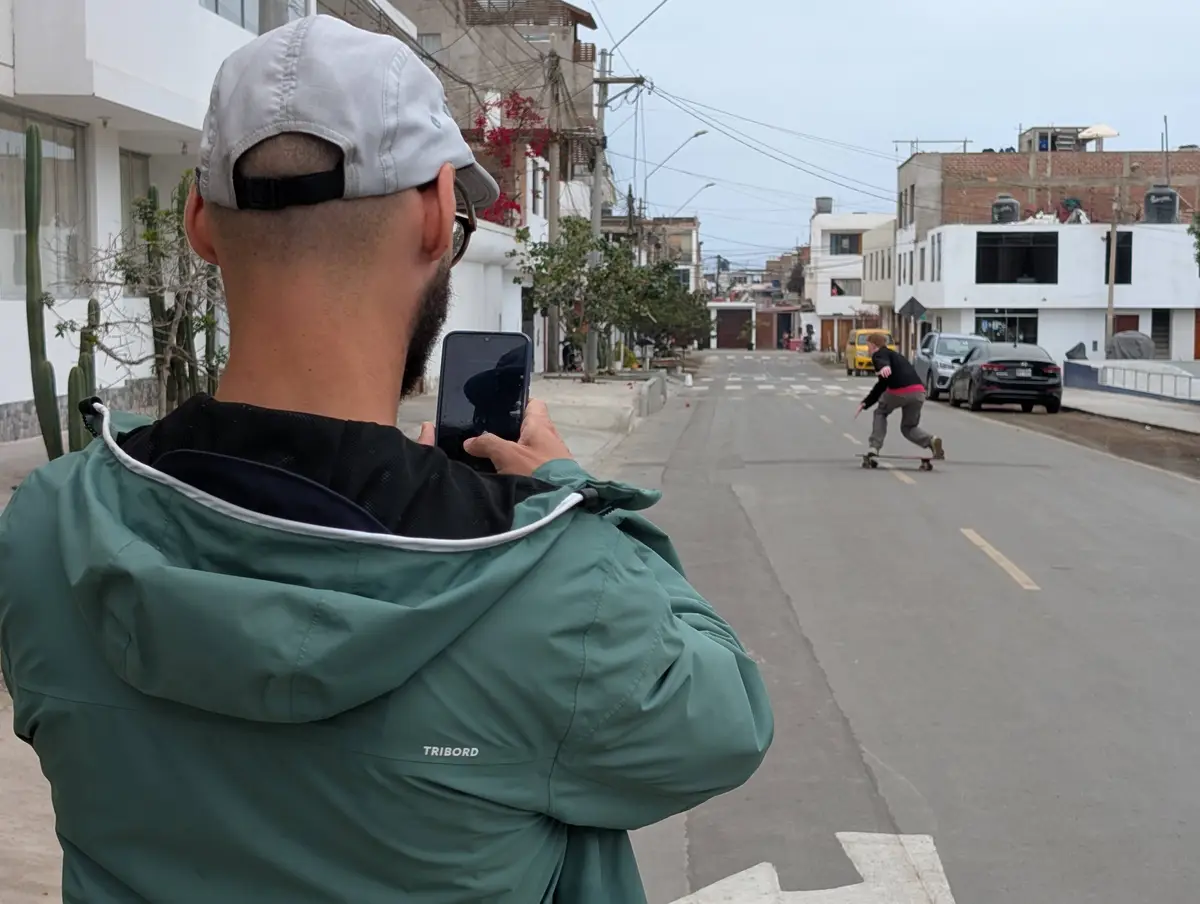
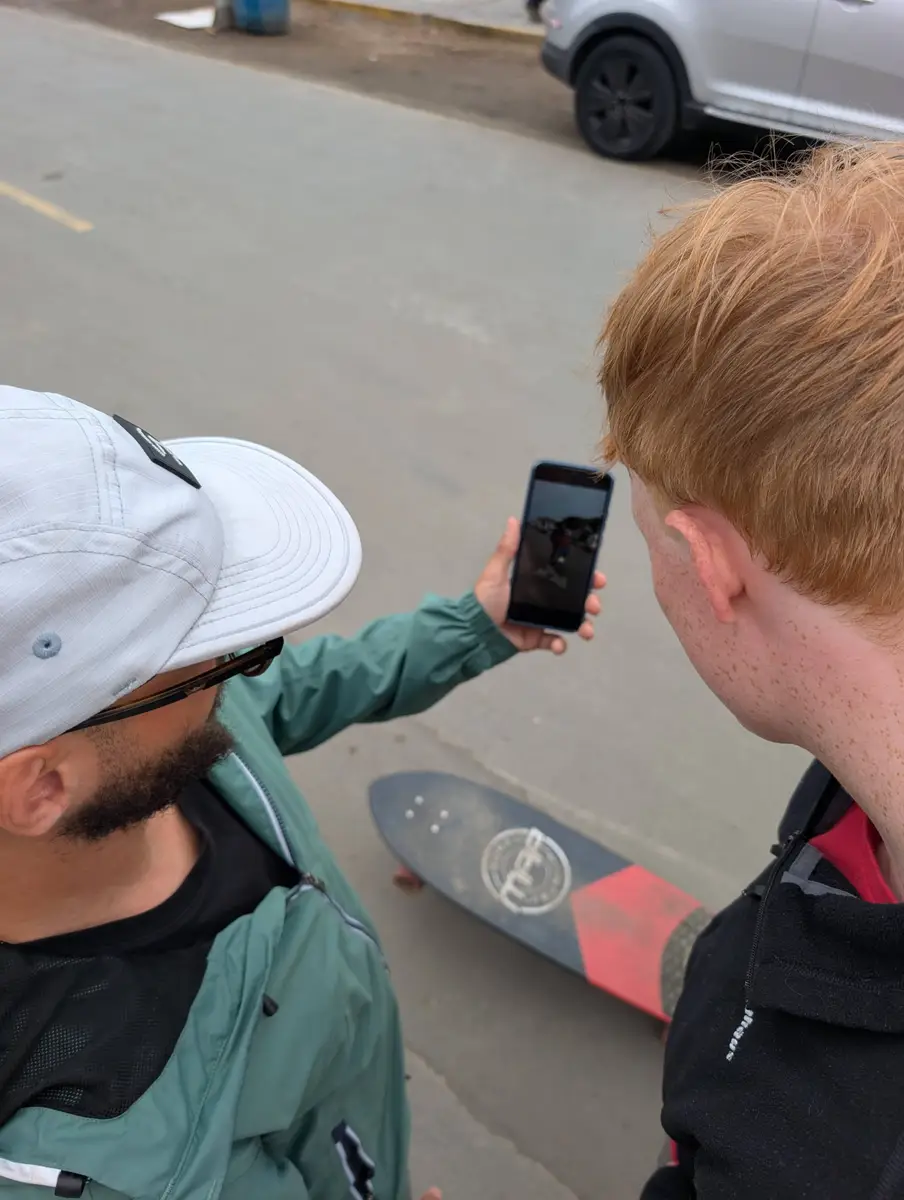
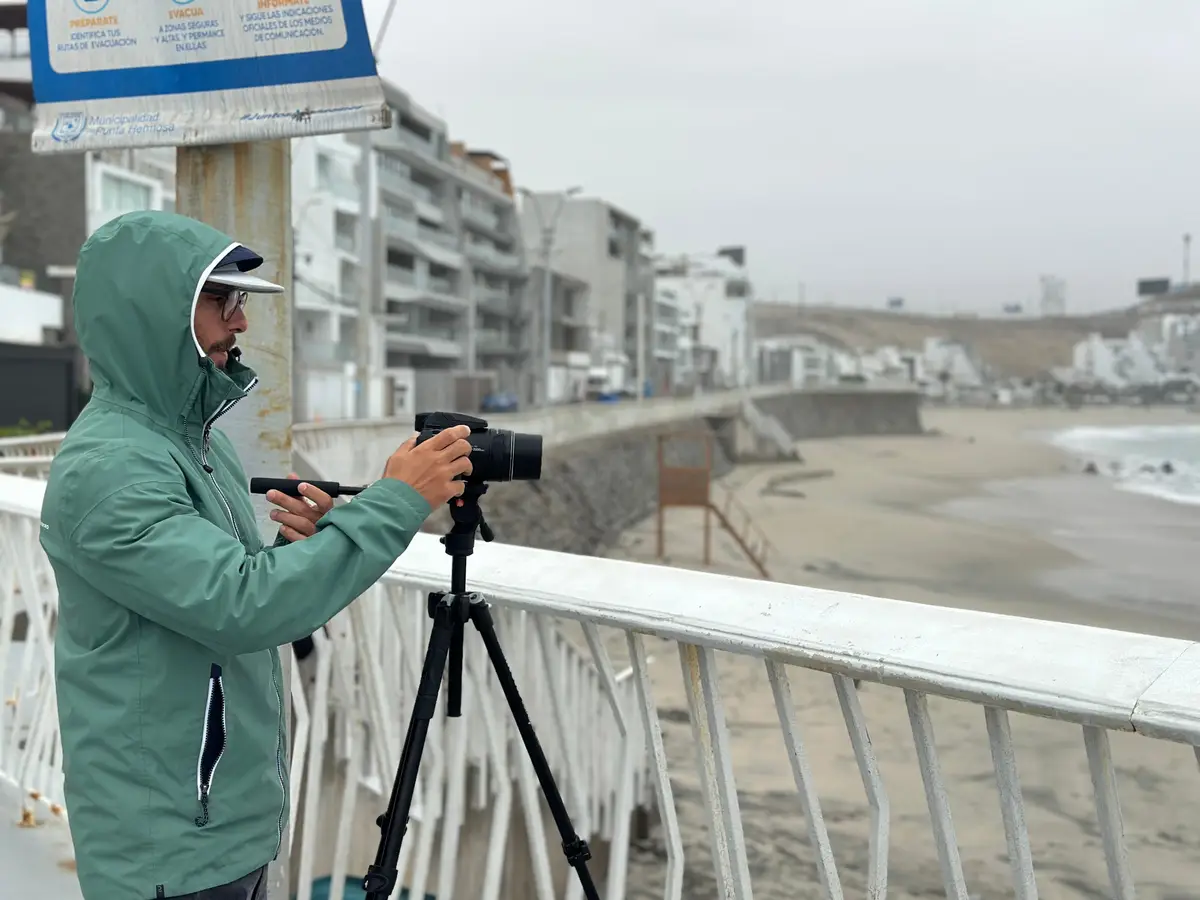
You can request coaching at Papamoa Beach through kitesurfing.me, which lists one school teaching surfing here. Its monthly packages combine filmed surf sessions, recorded biomechanics analyses and surfskate practice. Send a booking request, wait for the school to confirm your dates, then pay at the school.
The Light Monthly Package costs 300 NZD for 8 hours. It includes two filmed surf sessions of 2 hours each, two recorded biomechanics video analyses and four surfskate sessions of 1 hour each. It may suit a traveller who can stay for several sessions and wants feedback on technique.
The Regular Monthly Package costs 400 NZD for 12 hours. It includes four filmed surf sessions of 2 hours each, four recorded analyses and four surfskate sessions of 1 hour each. That gives you twice as many filmed surf sessions as the Light package, with the same number of surfskate sessions.
The Intensive Monthly Package costs 600 NZD for 24 hours. It includes eight filmed surf sessions of 2 hours each, eight recorded analyses and eight surfskate sessions of 1 hour each. Before choosing it, check that your stay and the school's available dates leave enough time for all the sessions.
The one school listed here provides a clear starting point for a coaching request, but confirm whether the package fits your ability and travel dates. Ask about equipment and meeting arrangements before committing. Visit the Papamoa coaching page to request dates and review the package details.
A monthly package makes most sense when you can return for feedback and practice. If your time at Papamoa Beach is short, ask the school what it can arrange before assuming every session will fit. You can also browse surf lessons in other destinations while planning a longer New Zealand trip.
Prices describe the listed packages, not accommodation or transport. The school confirms the request before you pay there, so use that exchange to check the schedule and what to bring. For a longer itinerary, the surfing lessons marketplace can help you find coaching in other places.
Read the surf coach's package details alongside your travel plans. The Light package has two filmed surf sessions, while Intensive has eight, so the time available matters as much as the price. Whichever option you request, leave room in the schedule for changing beach conditions.
Is it safe to swim at Papamoa Beach?
Swim between the red and yellow flags at Papamoa Beach when lifeguards are on patrol, and ask them about the day's conditions. Rip currents can be strong even in waves of 0.5 to 1 metre. Surfers should keep boards outside the flagged swimming area and give swimmers space.
What is Papamoa Beach like for a surf trip?
Papamoa Beach is a long sandy coast on New Zealand's Bay of Plenty, east of Mount Maunganui. Shifting sandbanks produce left and right waves, and paths lead through the dunes. Papamoa Domain has parking and facilities nearby, making it a practical base for a surf trip.
Which months have the most surf at Papamoa Beach?
Swell conditions at Papamoa Beach vary from day to day in February and April, so check the forecast before planning a surf session. Forecasts are estimates, so conditions at the beach may differ. Check the Papamoa Beach timing guide and assess conditions on arrival.
Can beginners surf at Papamoa Beach?
Beginners can surf at Papamoa Beach on small days, with Papamoa Domain a practical place to start. Look for manageable whitewater away from rip channels and swimmers. Coaching adds feedback on paddling and technique. The Light Monthly Package includes two filmed surf sessions of 2 hours each.
Are sharks a concern when swimming at Papamoa Beach?
Sharks live around New Zealand's coast year-round, so a sighting is possible at Papamoa Beach. If you see one, stay calm, leave the water without splashing, warn others and tell lifeguards. Treat an unidentified shark of 1.8 metres or more as potentially dangerous, and follow local advice.