
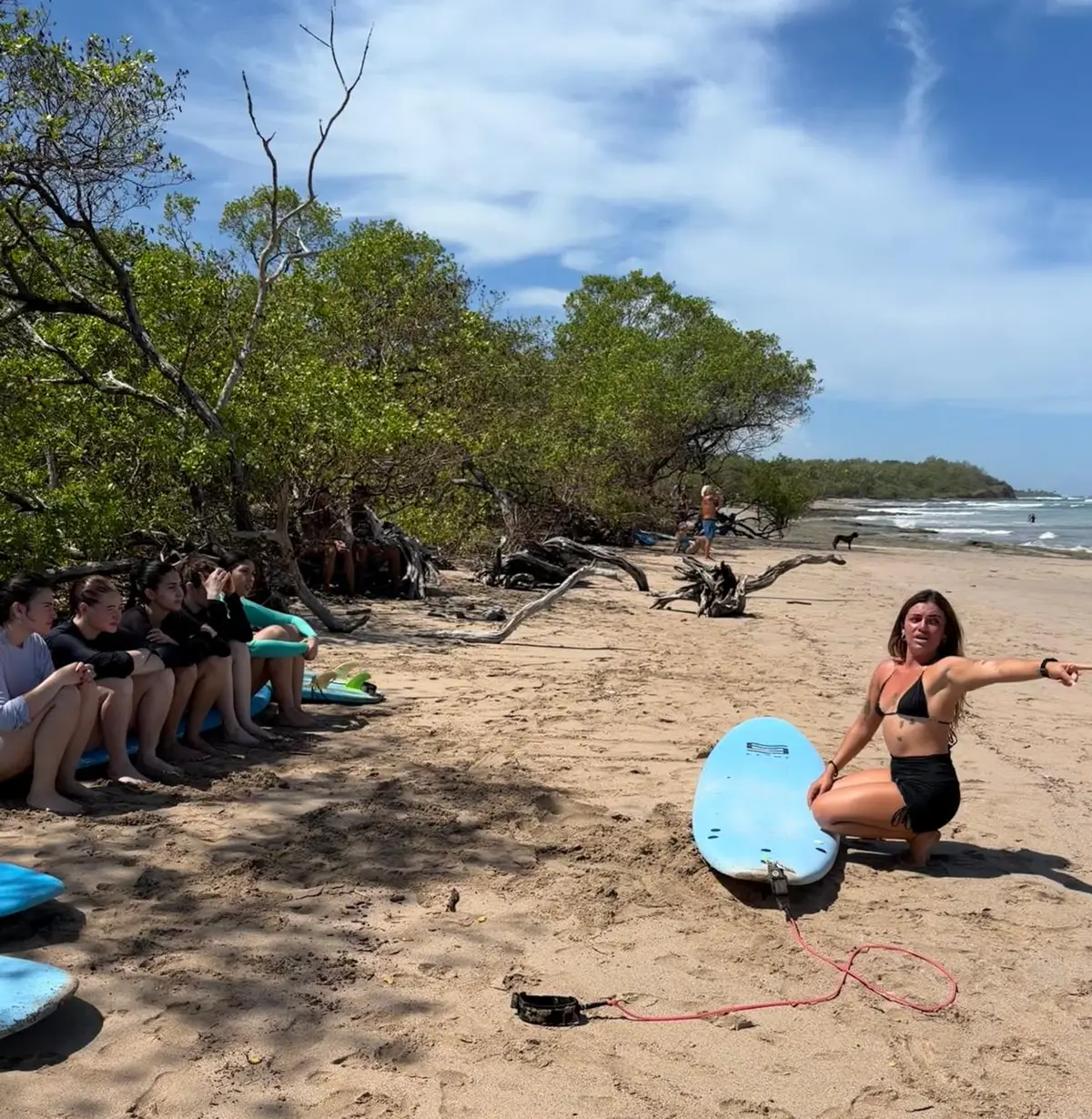
Surfing in Costa Rica
20 schools in 12 places3 spot guidesBest months May to Oct
We list 20 surfing schools in 12 places in Costa Rica; 3 spots have their own guide below. You can book lessons in Tamarindo (from $60), Jaco (from $70) and Santa Teresa (from $80). Best months: May to Oct.
Book surfing in Tamarindo
Surfing lessons in Tamarindo
Pick a course, choose your dates and send it straight to the school. Nothing to pay today.

Book surfing in Jaco
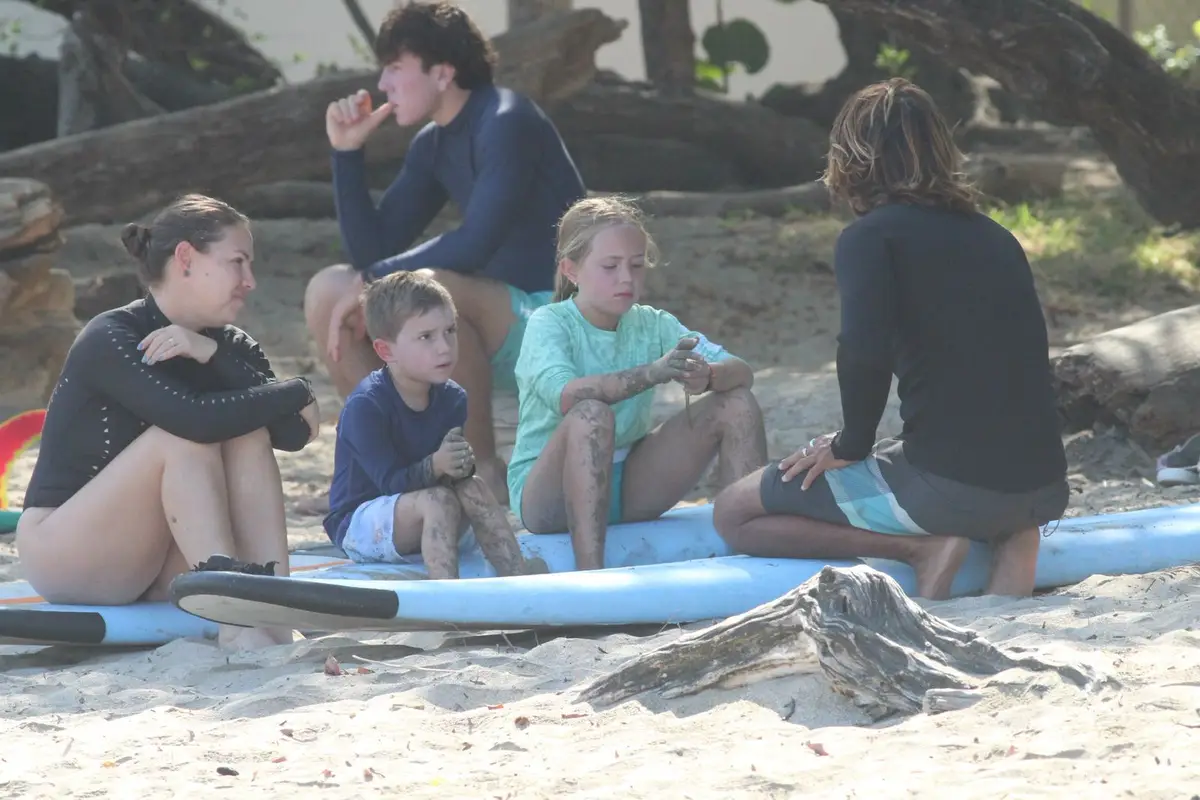
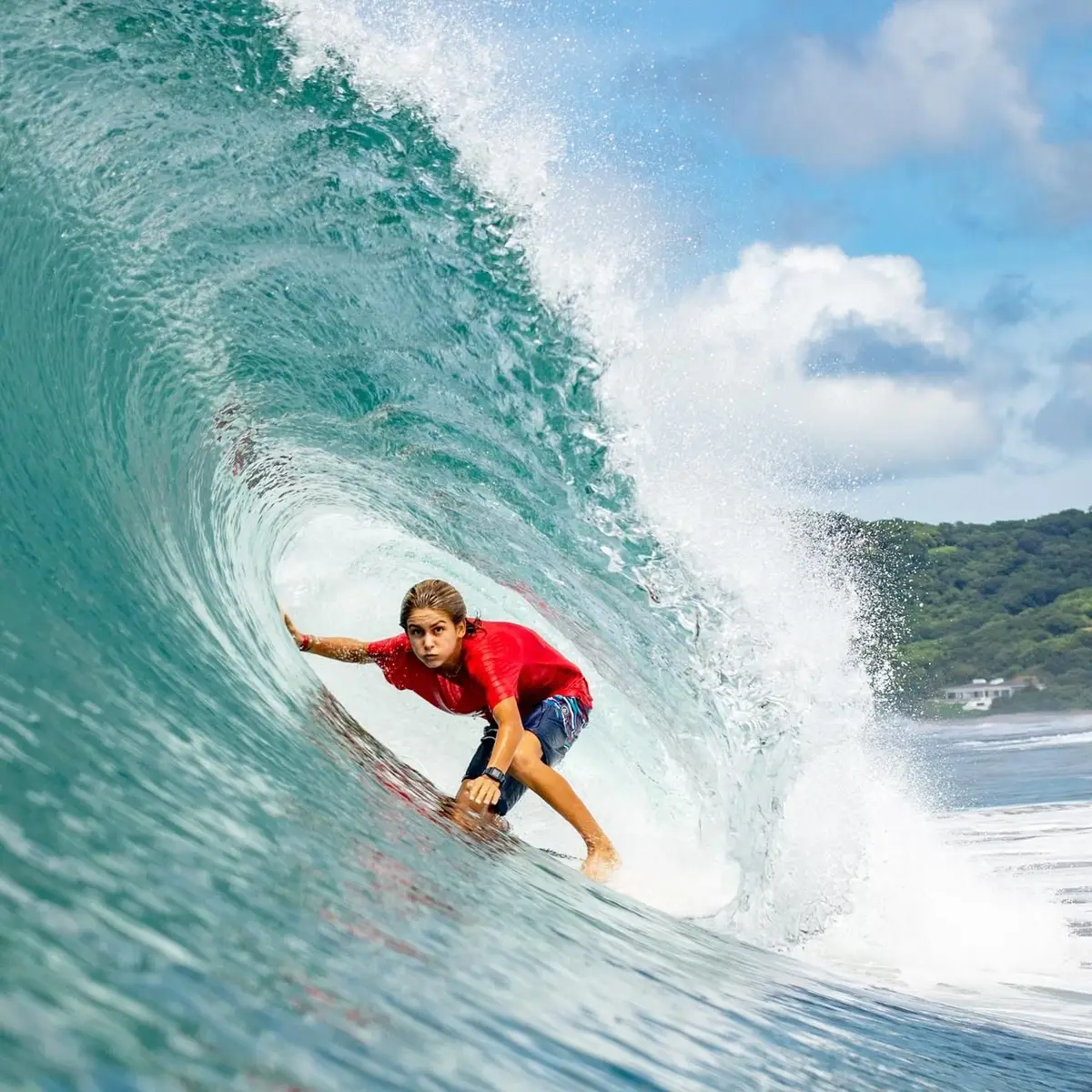
Surfing lessons in Jacó
Pick a course, choose your dates and send it straight to the school. Nothing to pay today.
Book surfing in Santa Teresa
Surfing lessons in Santa Teresa
Pick a course, choose your dates and send it straight to the school. Nothing to pay today.
Surfing in Costa Rica at a glance
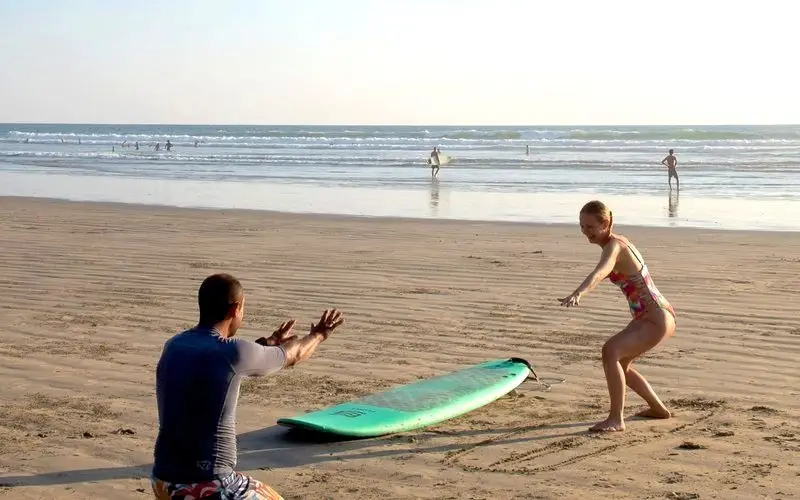
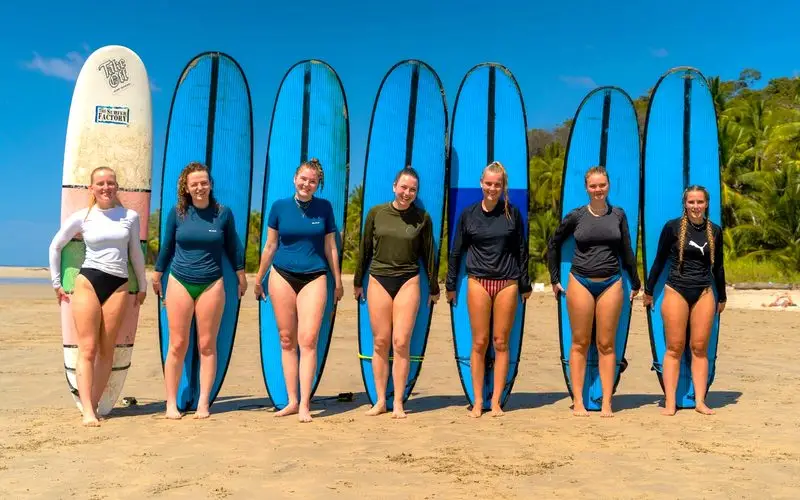
Surfing in Costa Rica suits first-time learners in Jacó and Tamarindo, progressing surfers in Santa Teresa and Playa Guiones, and experienced surfers at Pavones and Playa Hermosa. Pacific south swells often build from May through October; December through April brings drier weather and often smaller days in Guanacaste. The Caribbean has a separate northern winter swell season. Choose Jacó for a short trip from San José airport, Tamarindo for an established beach town, or Santa Teresa for a longer Nicoya Peninsula stay. kitesurfing.me lists 12 schools teaching surfing in Costa Rica, including three in Tamarindo, two in Santa Teresa and one in Jacó.
Costa Rica has Pacific and Caribbean coastlines, tropical lowlands and high mountain ranges. Its coast and inland regions offer distinct climates and travel experiences throughout the year.
- Jacó is roughly 1.5 to 2 hours by road from San José airport.
- Tamarindo has three listed schools and a town beach suited to lessons on smaller days.
- Santa Teresa combines a surf-focused Nicoya Peninsula stay with varied beach-break peaks.
- May through October is a prime window for Pacific south swells.
- Pavones is a remote southern base known for a long left-hand point break.
- Salsa Brava at Puerto Viejo is a powerful Caribbean reef wave for experienced surfers.
When is the best time for surfing in Costa Rica?
Costa Rica has surf throughout the year. May through October is a useful Pacific south-swell window, especially for surfers seeking stronger waves around Santa Teresa, Jacó and Pavones. In Guanacaste, December through April is generally drier and often brings smaller days for lessons. The Caribbean's main Atlantic swell window falls in northern winter, especially December through February. Jacó's historical monthly average sea temperatures are 28.8°C in January, 29.1°C in February, 29.5°C in March, 29.7°C in April, 29.4°C in May, 29.0°C in June, 29.0°C in July, 28.9°C in August, 28.6°C in September, 28.3°C in October, 27.9°C in November and 28.4°C in December. These are historical averages, not wave measurements.
| Spot | Jan | Feb | Mar | Apr | May | Jun | Jul | Aug | Sep | Oct | Nov | Dec |
|---|---|---|---|---|---|---|---|---|---|---|---|---|
| Tamarindo | ||||||||||||
| Santa Teresa | ||||||||||||
| Jacó | ||||||||||||
| Playa Hermosa | ||||||||||||
| Quepos | ||||||||||||
| Playa Guiones, Nosara | ||||||||||||
| Dominical | ||||||||||||
| Uvita | ||||||||||||
| Cabo Matapalo | ||||||||||||
| Pavones | ||||||||||||
| Puerto Viejo |
The best spots for surfing in Costa Rica
| Spot | Water | Level | Best months | Why go |
|---|---|---|---|---|
| Tamarindo | Ask the school | Beginner to advanced, by break | Dec to Apr | Tamarindo, Costa Rica, has a sandy town beach, restaurants and accommodation close to the surf. Smaller days suit first lessons, while nearby breaks offer more challenging waves. December through April is generally drier, and three schools teaching surfing are listed here. |
| Santa Teresa | Ask the school | Beginner to advanced, by break | May to Oct | Santa Teresa, Costa Rica, is a surf-focused base on the southern Nicoya Peninsula. Its beach-break peaks can become fast and hollow, especially as swell builds. Beginners should take instruction in a suitable small-wave section. Two schools teaching surfing are listed here. |
| Jacó | Monthly averages about 28°C to 30°C | Beginner to intermediate | May to Oct | Jacó, Costa Rica, offers a convenient Central Pacific base for a short trip from San José airport. Its sandy beach has peaks for learners and progressing surfers, with stronger waves on bigger swells. One school teaching surfing is listed here. |
| Playa Hermosa | Ask the school | Intermediate to advanced | May to Oct | Playa Hermosa, south of Jacó in Costa Rica, is an exposed beach break with fast waves and strong currents. Experienced surfers and confident intermediates can find powerful Pacific surf here; first-time learners should choose a gentler beach. |
| Quepos | Ask the school | Varies by break | May to Oct | Quepos, Costa Rica, is a Central Pacific travel base rather than one surf break. Its services and transport connections make it useful for exploring beaches around Manuel Antonio. Two listed schools teach surfing in Quepos; ask which beach fits your ability and the conditions. |
| Playa Guiones, Nosara | Ask the school | Beginner to advanced | May to Oct | Playa Guiones, near Nosara in Costa Rica, is a long Nicoya Peninsula beach break with space for learners and progressing surfers. Choose a smaller day for a first lesson. Pacific south swells can bring more powerful surf from May through October. |
| Dominical | Ask the school | Intermediate to advanced | May to Oct | Dominical, Costa Rica, is a South Pacific village with an exposed beach break that can produce powerful surf. Confident surfers have the most options when waves are large. The village makes a quieter coastal base than Jacó. |
| Uvita | Ask the school | Varies by break | May to Oct | Uvita, Costa Rica, is a South Pacific base for exploring beaches south of Dominical, not a single surf break. Choose a specific beach with local advice before paddling out, because access, currents and wave conditions differ along this coast. |
| Cabo Matapalo | Ask the school | Intermediate to advanced | May to Oct | Cabo Matapalo, Costa Rica, lies on the remote Osa Peninsula south of Puerto Jiménez. Its rainforest setting and potentially powerful waves suit experienced surfers prepared for a longer journey. Specify Cabo Matapalo when arranging transport, because other Costa Rican beaches share the name Matapalo. |
| Pavones | Ask the school | Intermediate to advanced | May to Oct | Pavones, Costa Rica, is a remote southern destination known for a long left-hand point break when a suitable south swell arrives. The journey suits surfers who can spend several days in one place and are comfortable sharing a busy lineup. |
| Puerto Viejo | Ask the school | Advanced at Salsa Brava | Dec to Mar | Puerto Viejo de Talamanca, Costa Rica, is the Caribbean base for Salsa Brava, a powerful reef wave for experienced surfers. Northern winter is the main Atlantic swell window. Nearby beaches have different conditions and should be assessed separately. |
Which Costa Rica spot suits your surfing level?
Complete beginner
Choose Jacó or Tamarindo for a first lesson, sandy town beaches and straightforward access to services. Ask an instructor to select a small-wave section.
Beginner with some water confidence
Playa Guiones, Jacó and Tamarindo offer room to practise on suitable days. Santa Teresa also has lesson options when a manageable section is available.
Intermediate
Santa Teresa and Jacó offer varied beach-break peaks. Confident intermediates can consider Playa Hermosa on a manageable day, with attention to its currents and faster waves.
Advanced
Plan for Pacific south swells at Playa Hermosa, Dominical, Cabo Matapalo or Pavones. Puerto Viejo's Salsa Brava adds a demanding Caribbean reef option in northern winter.
Getting to Costa Rica and between the spots
- Getting to Costa Rica
- Most international visitors arrive at Juan Santamaría International Airport near San José or Daniel Oduber Quirós International Airport near Liberia. From either airport, continue by rental car, public bus, shared shuttle or private transfer.
- Airports
- SJOJuan Santamaría International AirportFor Jaco, Playa Hermosa, Quepos, Matapalo. A practical international arrival point for the Central and South Pacific. Check the route and transfer duration for your destination before booking.
- LIRDaniel Oduber Quirós International AirportFor Tamarindo, Playa Guiones. Useful for Tamarindo and the Nosara area. The paved drive to Tamarindo takes roughly 1 to 1.5 hours. Rain and road conditions can lengthen the trip.
- Between the spots
- Rental cars, public buses, shared shuttles and private transfers connect Costa Rica's Pacific coast. The drive from Tamarindo to Nosara takes about 2 hours via Route 160 in suitable conditions; continue locally to Playa Guiones, Playa Pelada or Playa Garza. Some routes can be rough or involve river crossings. Rain and road conditions can lengthen this trip and the drive from Liberia airport to Tamarindo. Check the chosen route and transfer duration before booking, travel in daylight and never enter a flooded crossing.
- Entry and visa
- A valid passport is required. Visa requirements depend on nationality, and many visitors from the United States, Canada and Europe can enter without a visa for a limited stay. Visitors may need to show proof of funds of at least US$100 per month or part month of their intended stay. Check Costa Rica's official entry requirements for your nationality and itinerary before departure.
- Money and costs
- The Costa Rican colón is the currency; US dollars are widely accepted in tourist areas, and major cards and ATMs are common. Accommodation and transport choices have a large effect on a travel budget. Check the currency and any fees before paying or withdrawing cash.
- Climate and water
- Costa Rica's coastal lowlands are warm year-round. Across the country, monthly mean temperatures average about 23.9°C to 26.1°C. On the Pacific coast, December to March is generally dry, April and November are transition months, and May to October is generally wetter. December to April can be a convenient travel window, but check local conditions before each outing. Pacific sea temperatures are commonly about 24°C to 29°C, with short-lived cooler water possible in the south. The Caribbean coast has different weather patterns.
- Safety
- Use caution in the sea: Costa Rican beaches can have strong waves and rip currents, including around Jacó, Playa Hermosa and Matapalo. Ask locally about conditions before entering the water, stay within your ability, and follow lifeguard or beach safety advice where available. Keep valuables secured while at the beach.
Surfing in Costa Rica: your questions
What is the surf season in Costa Rica?
Costa Rica has surf year-round, with different swell patterns on its Pacific and Caribbean coasts. Pacific south swells often strengthen from May through October. The Caribbean's main Atlantic swell window is in northern winter, especially December through February. Guanacaste is generally drier from December through April.
When is the best time to surf in Costa Rica?
The best time to surf in Costa Rica is May through October for Pacific south swells and December through April for drier Guanacaste weather and often smaller learner days. Experienced surfers seeking Caribbean reef waves should consider Puerto Viejo's northern winter swell window, especially December through February.
What are the best Costa Rica surfing spots for beginners?
Jacó, Tamarindo and Playa Guiones are practical Costa Rica surfing spots for beginners on manageable days. Jacó is convenient from San José airport, Tamarindo has a well-serviced beach town, and Guiones has a long sandy beach. Book a lesson and ask the instructor to choose the day's suitable section.
Where should I go surfing in Costa Rica in July?
In July, choose Costa Rica's Pacific coast for the south-swell season. Jacó offers lessons and services, while Santa Teresa has varied beach-break peaks. Experienced surfers can consider Playa Hermosa, Dominical or Pavones for stronger waves. Beginners should arrange instruction and select a manageable session.
How do I get between Costa Rica surfing spots with a board?
A rental car or prearranged shuttle gives surfers flexibility between Costa Rica's beach towns. Allow about an hour or more by road from Jacó to Quepos. For Santa Teresa, a route from the Central Pacific uses the Puntarenas to Paquera ferry. Confirm board space, fees and ferry arrangements before booking.
Which airport should I use for a Costa Rica surfing holiday?
San José airport, SJO, is convenient for Jacó and the Central Pacific, while Liberia airport, LIR, is useful for Tamarindo and Nosara. Jacó is roughly 1.5 to 2 hours by road from SJO. Allow about 1 to 1.25 hours from LIR to Tamarindo, plus extra time for traffic.
Do I need a visa for a Costa Rica surfing trip?
Costa Rica's visa and passport requirements depend on your nationality. Many visitors can enter without a visa for a limited tourist stay, and non-residents need proof of return or onward travel. Before booking, check the official requirements for your passport and route, including applicable vaccination rules.
How much does a beginner lesson or surfing camp in Costa Rica cost?
A beginner course in Costa Rica has a median published price of US$40 per hour across five schools listed here, with a range of US$33 to US$53 and a typical length of two hours. Camp prices depend on lodging, meals and lessons. Request a lesson on kitesurfing.me and pay at the school after confirmation.
How much is group or private surf coaching in Costa Rica?
Costa Rica group or semi-private lessons have a median published price of US$45 per hour across four listed schools, ranging from US$32 to US$53. Private lessons have a US$60 median across four schools, ranging from US$45 to US$77. Both typically last 1.5 hours.
How much does intermediate or advanced surf coaching cost in Costa Rica?
Intermediate surf coaching in Costa Rica has a median published price of US$36 per hour across four listed schools, with a US$32 to US$45 range. Advanced coaching has a US$40 median across five schools, with a US$33 to US$53 range. Both typically last two hours.
Is the water warm enough to surf in Costa Rica without a wetsuit?
Most surfers can wear boardshorts or a swimsuit year-round in Jacó, Costa Rica. Historical monthly average sea temperatures there range from 27.9°C in November to 29.7°C in April. A rash guard adds sun protection, and a light layer can help during windy sessions or in cooler water elsewhere.
How can I surf safely and respect local rules in Costa Rica?
Check currents, waves and entry points with local instructors or lifeguards before surfing in Costa Rica. Jacó and nearby Playa Hermosa can have strong rip currents, while Salsa Brava breaks over reef. Give the surfer closest to the breaking part of the wave priority, avoid their path and follow beach signs.
Where should I stay on a Costa Rica surfing trip?
Stay in Jacó for a short Central Pacific trip with lessons and services, or Tamarindo for an established Guanacaste beach town. Playa Guiones suits a Nosara stay, while Santa Teresa offers a surf-focused southern Nicoya base. Pavones and Cabo Matapalo need more travel time, so allow several days.
Sources for this guide: Costa Rica tourism guide to surfing, Guanacaste surf and beach guide, Santa Teresa surf guide, Costa Rica surf seasons by region, Costa Rica surf breaks and travel access, Jacó historical monthly sea temperatures, Costa Rica entry requirements, Costa Rica travel advice and entry requirements, Costa Rica beach and swimmer safety, Puntarenas ferry information, Santa Teresa location and access, Visit Costa Rica, frequently asked questions, Visit Costa Rica, budget travel guidance, World Bank Climate Change Knowledge Portal, Costa Rica profile, Costa Rica Tourism Board, Central Pacific guide, Costa Rica surf regions and seasonal guide, Costa Rica travel times between destinations, Costa Rica Tourism Board, bus itineraries, Go Visit Costa Rica, Cabo Matapalo, Costa Rica Pacific climate, Liberia airport to Tamarindo drive, Tamarindo to Nosara via Route 160, Costa Rica road safety · Last checked November 2026.
