
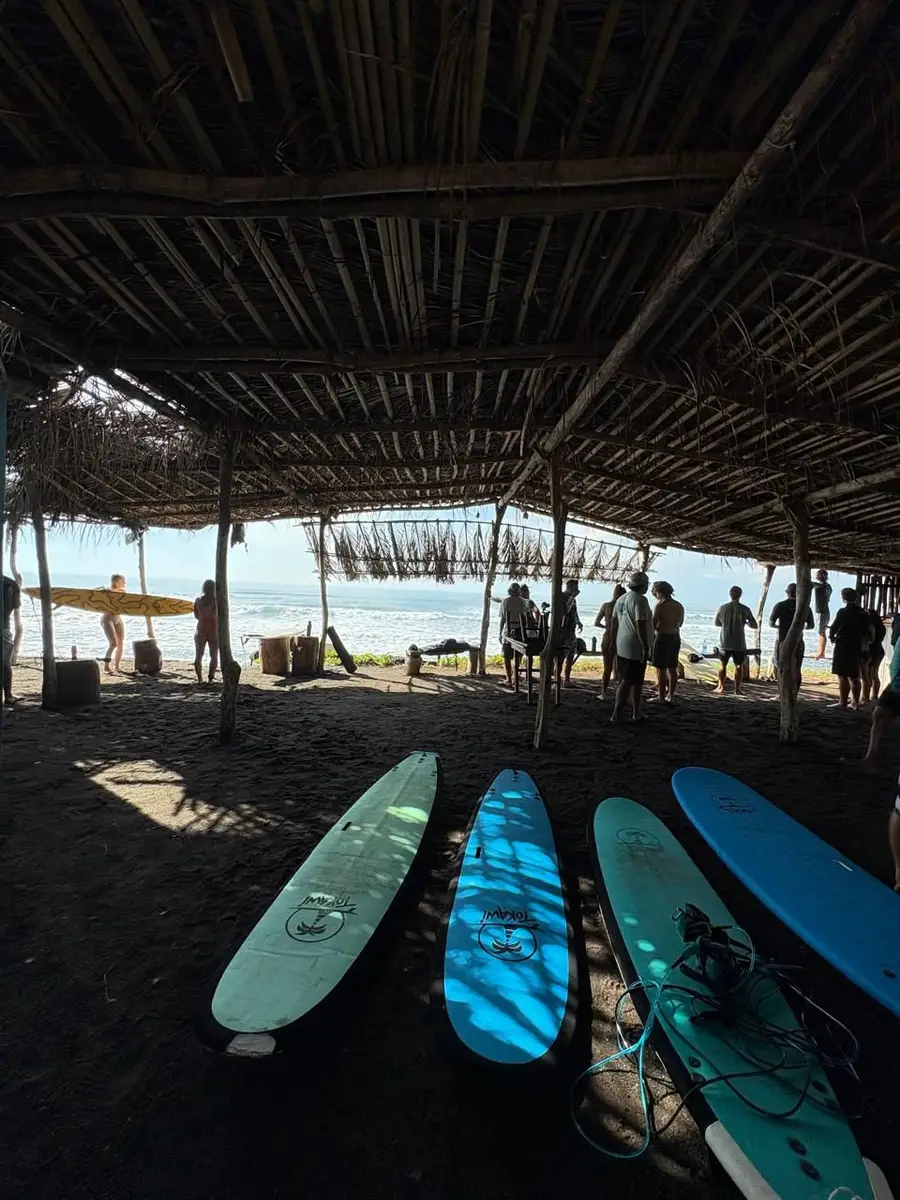
Surfing in El Salvador
6 schools in 6 places2 spot guidesBest months Mar to Oct
We list 6 surfing schools in 6 places in El Salvador; 2 spots have their own guide below. You can book lessons in El Tunco (from $60) and El Zonte (from $50). Best months: Mar to Oct.
Book surfing in El Tunco
Surfing lessons in El Tunco
Pick a course, choose your dates and send it straight to the school. Nothing to pay today.
Book surfing in El Zonte
Surfing lessons in El Zonte
Pick a course, choose your dates and send it straight to the school. Nothing to pay today.
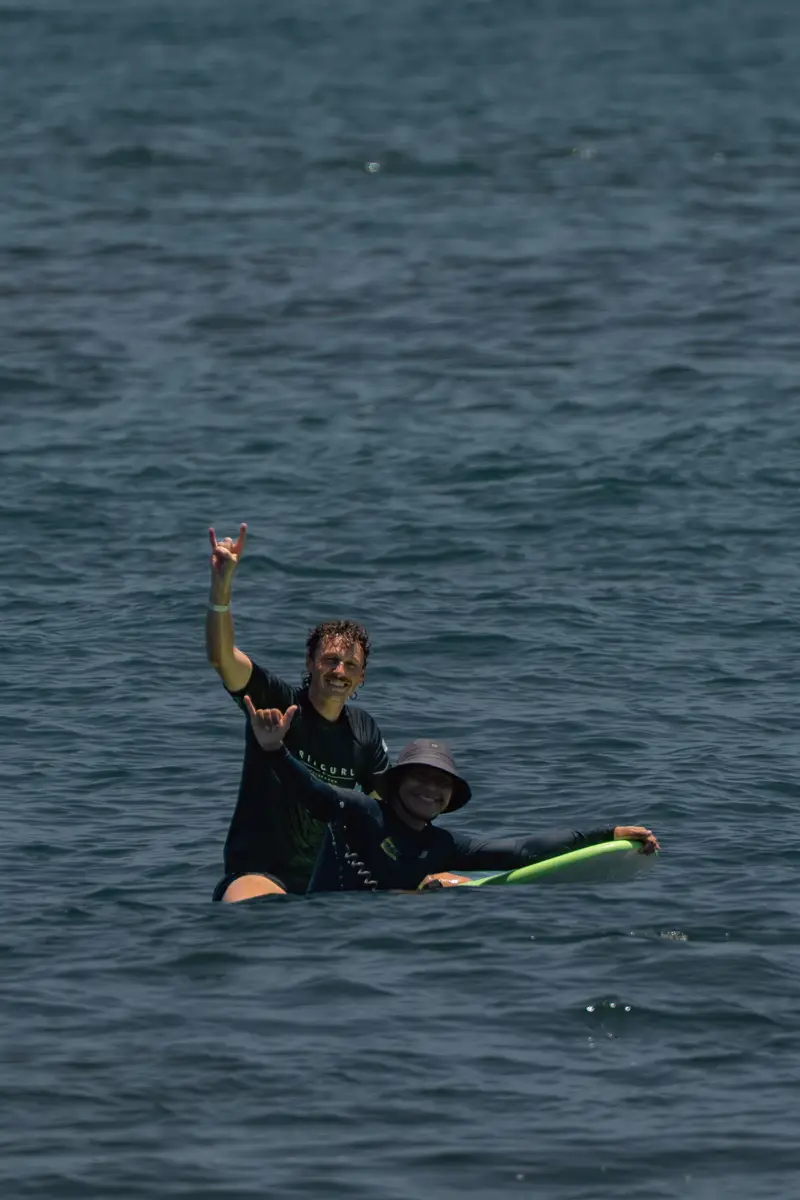
Surfing in El Salvador at a glance
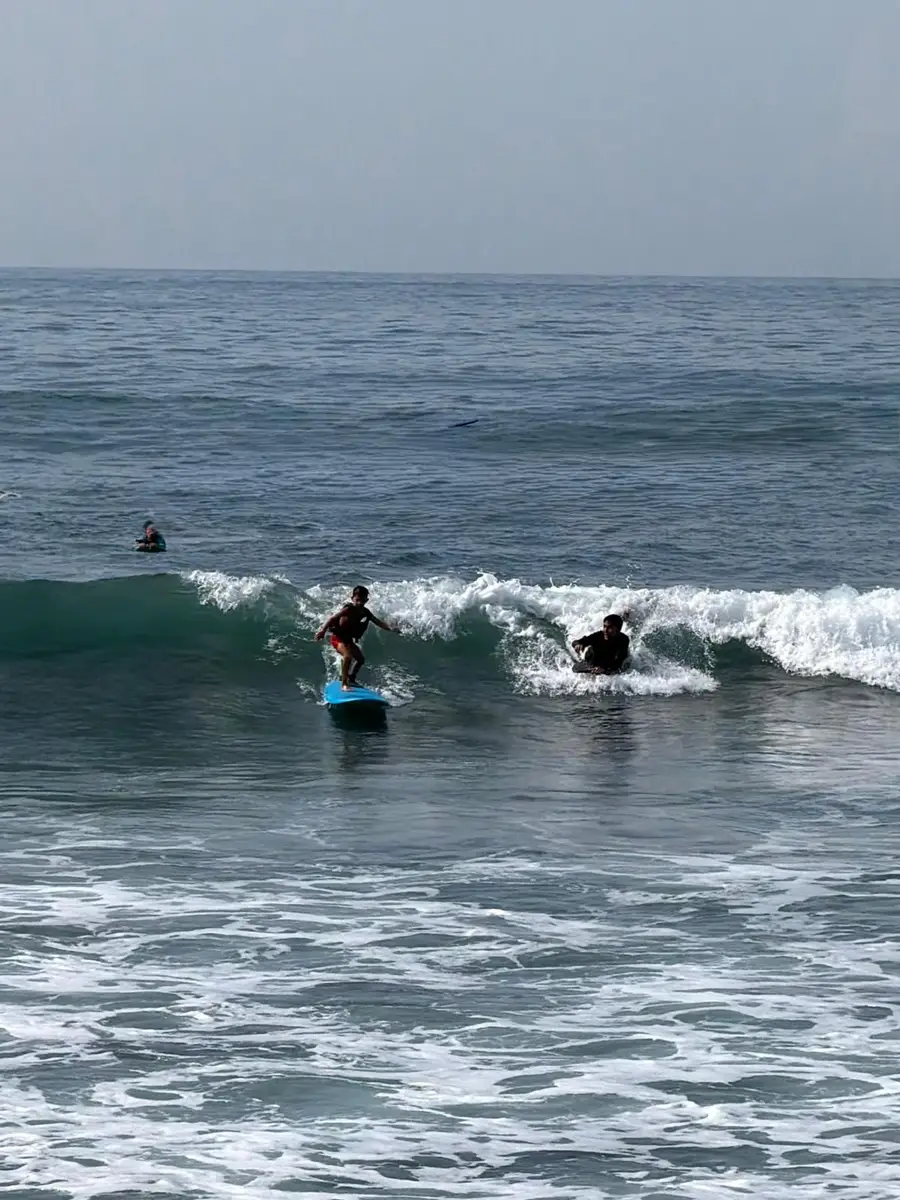
Surfing in El Salvador offers warm Pacific water, long right-hand points and lesson options along the La Libertad coast. El Tunco is a lively base near El Sunzal, while El Zonte offers a smaller village setting. Farther east, Las Flores and Punta Mango reward confident surfers willing to travel farther. March to October generally brings stronger south swell; December to February often offers smaller conditions for learners. Kitesurfing.me lists six schools teaching surfing in El Salvador, including one each in El Tunco, El Zonte and El Sunzal.
El Salvador is a compact Central American country between Guatemala, Honduras and the Pacific Ocean. Travelers can pair the Pacific coast with volcanoes, mountain towns and inland lakes.
- El Tunco is about 45 km by road from El Salvador International Airport.
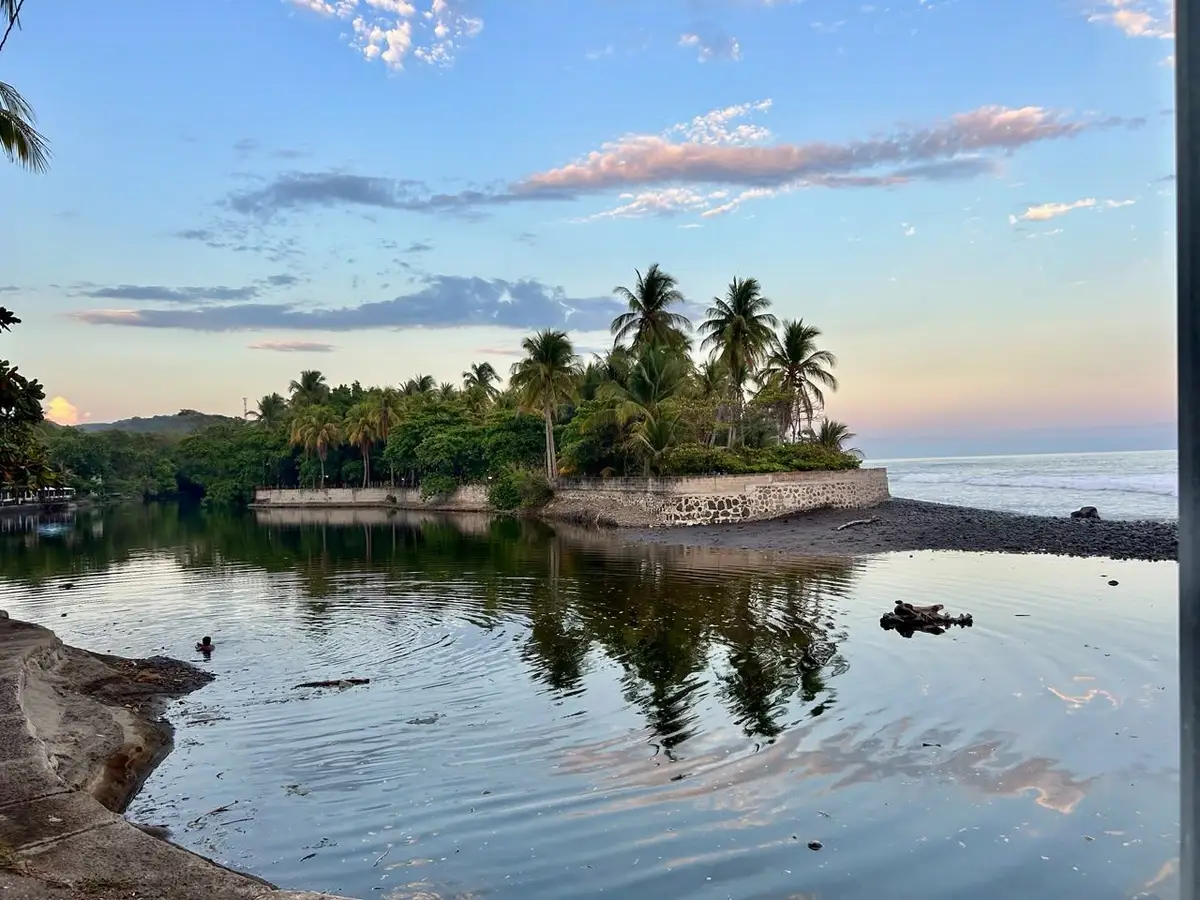
- El Zonte has a right-hand point and beach-break sections near a river mouth.
- El Sunzal's long right suits progressing surfers on smaller days.
- Las Flores has an intermediate inside section and a more demanding outside.
- At El Zonte, average sea temperature is about 28°C in January and 29°C in September.
When is the best time for surfing in El Salvador?
El Salvador's Pacific coast receives south and southwest swell, with March and April offering a transition from dry weather to the stronger swell season. May to October generally brings larger waves and more rain. For smaller conditions, learners may prefer December to February; experienced surfers seeking stronger south swell generally visit from March to October. Conditions vary daily. Published El Zonte wave statistics cover data collected from December 1999 onward, but their monthly figures are presented in size bands rather than clearly defined average wave heights. Use a current forecast and local advice for each session.
The best spots for surfing in El Salvador
| Spot | Water | Level | Best months | Why go |
|---|---|---|---|---|
| El Tunco | Warm tropical water | Beginner to advanced | Mar to Oct | El Tunco, El Salvador, is a lively La Libertad base with restaurants and nightlife near El Sunzal and La Bocana. Beginners can take a lesson on a suitable smaller beach section; experienced surfers have faster waves nearby. One school teaching surfing is listed in El Tunco. |
| El Zonte | About 28 to 29°C | Beginner to advanced | Mar to Oct | El Zonte, El Salvador, is a compact village with a right-hand point and beach-break sections near a river mouth. Beginners should choose small conditions with a coach, while confident surfers can move toward the point. One surfing school is listed in El Zonte. |
| El Sunzal | Warm tropical water | Intermediate to advanced | Mar to Oct | El Sunzal, near El Tunco in El Salvador, has a long right-hand point. On smaller days, progressing surfers can practice longer rides, but the paddle and crowded lineup require confidence. The point becomes more demanding as swell builds. One surfing school is listed at El Sunzal. |
| La Bocana | Warm tropical water | Intermediate to advanced | Mar to Oct | La Bocana, beside El Tunco in El Salvador, is a fast left near a river mouth on a coast better known for right-hand waves. Powerful sections and currents make it a choice for experienced intermediates and advanced surfers, rather than a first lesson. |
| Punta Roca | Warm tropical water | Advanced | Mar to Oct | Punta Roca, by the port of La Libertad in El Salvador, is a fast right-hand point with rocks at the entry and powerful sections. Experienced surfers come for long rides. Watch the lineup and entry before paddling out. |
| K59 | Warm tropical water | Intermediate to advanced | Mar to Oct | K59, west of El Zonte on El Salvador's coastal highway, is a rocky right-hand point with long walls and fast sections. It suits confident surfers who can manage the rocks and stronger south swell. Check the access path and entry before carrying a board down. |
| Playa Las Flores | Warm tropical water | Intermediate to advanced | Mar to Oct | Playa Las Flores, near El Cuco in eastern El Salvador, has a long right-hand point over sand and rock. Its inside can suit intermediate surfers, while the outside has faster, more demanding sections. El Cuco is a useful base for the eastern coast. |
| Punta Mango | Warm tropical water | Advanced to expert | Mar to Oct | Punta Mango, on El Salvador's eastern coast, is a powerful right with hollow sections over sand and rock. It is best for experienced surfers, especially on a strong swell. Arrange transport from the El Cuco or Las Flores area and check the final road locally. |
Which El Salvador spot suits your surfing level?
Complete beginner
Start with a coach at El Zonte or a suitable beach section near El Tunco in El Salvador. December to February generally brings smaller surf, but rocks and currents still shape the choice of lesson site.
Intermediate
On smaller days, El Sunzal in El Salvador offers a long right for practicing turns. Confident intermediates can also explore El Zonte and the inside at Las Flores, choosing their session around the swell.
Advanced
Punta Roca, La Bocana, K59 and Punta Mango in El Salvador offer faster, more powerful waves. The May to October swell season also brings rain and demanding entries.
Getting to El Salvador and between the spots
- Getting to El Salvador
- Most international visitors arrive at El Salvador International Airport (SAL), near the Pacific coast. From there, take a taxi, ride-hailing car, rental car or prearranged transfer to the coast; buses connect the airport with San Salvador, where onward coastal buses depart.
- Airports
- SALEl Salvador International Airport Saint Óscar Arnulfo Romero y GaldámezFor El Zonte, Usulután. El Tunco is about 45 km by road from the airport. El Zonte is about 60 km west, around 1 hour 15 minutes by car. Allow extra time for the eastern coast and confirm the route and transfer time with your driver.
- Between the spots
- For El Salvador's La Libertad coast, use a rental car, taxi, ride-hailing car or bus along the coastal highway. El Zonte is about 15 minutes west of El Tunco by car, and La Libertad to El Zonte takes around 20 to 30 minutes by bus. The eastern beaches around El Cuco and Punta Mango are a separate trip. Local buses serve coastal routes, while a car or local transfer makes reaching outlying beaches easier.
- Entry and visa
- Most visitors need a passport, and visa requirements depend on nationality. Check the Salvadoran immigration authority's current entry rules for your passport before travel.
- Money and costs
- The US dollar is the currency used in El Salvador. Carry cash for buses, small shops and beach areas, and use cards where accepted. Across El Salvador, reported visitor spending averages about US$19 a day for budget travel, US$48 for mid-range travel and US$119 for higher-end travel, including accommodation, food, local transport and activities. Surf-town costs and lesson prices vary.
- Climate and water
- El Salvador has a dry season from November to April and a rainy season from May to October. The Pacific coast is hot year-round, with nationwide average temperatures around 22°C in December and 25°C in April. Sea temperatures remain warm, around 26 to 29°C.
- Safety
- Pacific beaches in El Salvador can have strong currents and undertows, and lifeguards are not present everywhere. Check local beach warnings, follow lifeguard instructions and avoid entering the water after drinking. During the rainy season, road journeys can take longer, especially in heavy rain.
Surfing in El Salvador: your questions
Is El Salvador a good place to learn to surf?
El Salvador is a good place to learn when you choose a suitable beach and small conditions. El Zonte and beach sections near El Tunco offer practical lesson bases. December to February generally brings smaller swell. Tell your coach about your swimming ability and let them select the day's lesson spot.
What is the nicest beach town in El Salvador for a surfing trip?
El Zonte is a good choice for a smaller surf village in El Salvador, while El Tunco suits travelers who want more restaurants and nightlife. Both give access to La Libertad's nearby breaks. For a quieter eastern base near Las Flores, choose El Cuco and allow time for the longer transfer.
When is the best time for surfing in El Salvador?
March to October is the main period for south swells in El Salvador. March and April combine building swell with mostly dry weather, while May to October generally brings larger surf and more rain. December to February is drier and often better for learners seeking smaller waves.
Where are the best El Salvador surfing spots for beginners?
El Zonte and suitable beach sections near El Tunco are practical starting points for beginners in El Salvador. A coach can select a manageable section for the tide and swell. El Sunzal can suit progressing surfers on smaller days, but its paddle and rocks call for more confidence.
Where should I surf in El Salvador in July?
In July, experienced surfers can look at Punta Roca, K59 or Punta Mango for stronger south swell. July also falls in El Salvador's rainy season, so allow extra time for road journeys. Beginners should arrange a lesson and ask a coach to find a smaller, suitable beach.
Where should I surf in El Salvador on a one-week trip?
For a one-week surfing trip in El Salvador, base yourself in El Tunco or El Zonte for access to several La Libertad breaks. Spend the week there if you want less time on the road. Add El Cuco as a second base if Las Flores and Punta Mango are priorities.
How do I get between El Salvador's surfing spots with a board?
A rental car or arranged transfer is a direct way to travel between El Salvador's surf bases with a board. The eastern coast needs a longer journey than trips between La Libertad beaches. Buses can involve changes and take longer. Confirm board space and luggage charges, and ask locally about Punta Mango road access.
Which airport should I use for an El Salvador surfing trip?
El Salvador International Airport, code SAL, is the main arrival point for a surf trip to La Libertad or the eastern coast. El Tunco is about 45 km by road from the airport. Arrange a transfer with board space and check your airline's board dimensions and baggage charges before departure.
Do I need a visa to visit El Salvador?
Visa requirements for El Salvador depend on your passport and itinerary. British citizens can visit for tourism without a visa for up to 180 days. For British citizen passport holders, the passport must be valid for at least six months after arrival. Other nationalities should check their own entry requirements.
How much does an El Salvador surfing trip cost?
Daily spending in El Salvador averages about US$48 per person across accommodation, food, local transport and activities. Your surfing trip budget will also depend on your choice of lessons, transfers and accommodation. Check the school's own page for its lesson prices.
How do I book surfing lessons in El Salvador?
Choose a lesson and send your request on kitesurfing.me. The school confirms your booking, and you pay at the school. For lessons in El Salvador, check the location, lesson details and any equipment information on the school's page before you send your request.
Is the water warm enough to surf without a wetsuit in El Salvador?
Most surfers can surf without a wetsuit in El Salvador's warm Pacific water. At El Zonte, archived offshore sea-temperature averages are about 28°C in January and 29°C in September. A rash guard helps protect against sun and board rash, especially during a long lesson or several sessions.
Is it safe to surf and swim in El Salvador?
El Salvador's Pacific beaches can have strong currents and undertows, and some have few or no lifeguards. Ask locally about currents and entry points, respect warning flags, and avoid swimming alone at isolated beaches. At rocky Punta Roca, watch the entry and lineup before deciding whether to paddle out.
What surf etiquette should visitors follow in El Salvador?
At El Salvador's surf breaks, give priority to the surfer closest to the breaking part of the wave and do not drop in. Wait your turn, control your board and paddle clear of riders. At crowded El Sunzal or rocky Punta Roca, watch the lineup and ask locally about entry.
How many surfing schools are listed in El Salvador?
Kitesurfing.me lists six schools teaching surfing in El Salvador, with one each in El Tunco, El Zonte, El Sunzal, Palmarcito, Usulután and Jucuarán. The lesson offers shown on this page are in El Tunco and El Zonte; check the other listings for their current details.
Sources for this guide: El Salvador tourism: El Zonte, El Salvador tourism: surf beaches, El Salvador tourism: eastern beaches, El Salvador tourism: K59, El País: El Salvador's surf coast, Surfline: country seasons and March to April swell, El Zonte: south swell from March to October, El Zonte wave-size bands: data collected since December 1999, El Zonte offshore monthly water averages: multi-decade archive, exact years unspecified, Airport road distances to El Tunco and El Zonte, El Salvador visitor spending estimates, UK Foreign Travel Advice: El Salvador entry requirements, UK Foreign Travel Advice: El Salvador safety, El Salvador Ministry of Tourism: El Zonte, El Salvador Ministry of Tourism: Punta Mango, El Salvador immigration authority: entry requirements, Japan International Cooperation Agency: El Salvador country report · Last checked November 2026.