
Surfing in Portugal
2 schools in 2 places2 spot guidesBest months Mar to Nov
We list 2 surfing schools in 2 places in Portugal; 2 spots have their own guide below. You can book lessons in Porto da Cruz (from €55) and São Vicente (from €65). Best months: Mar to Nov.
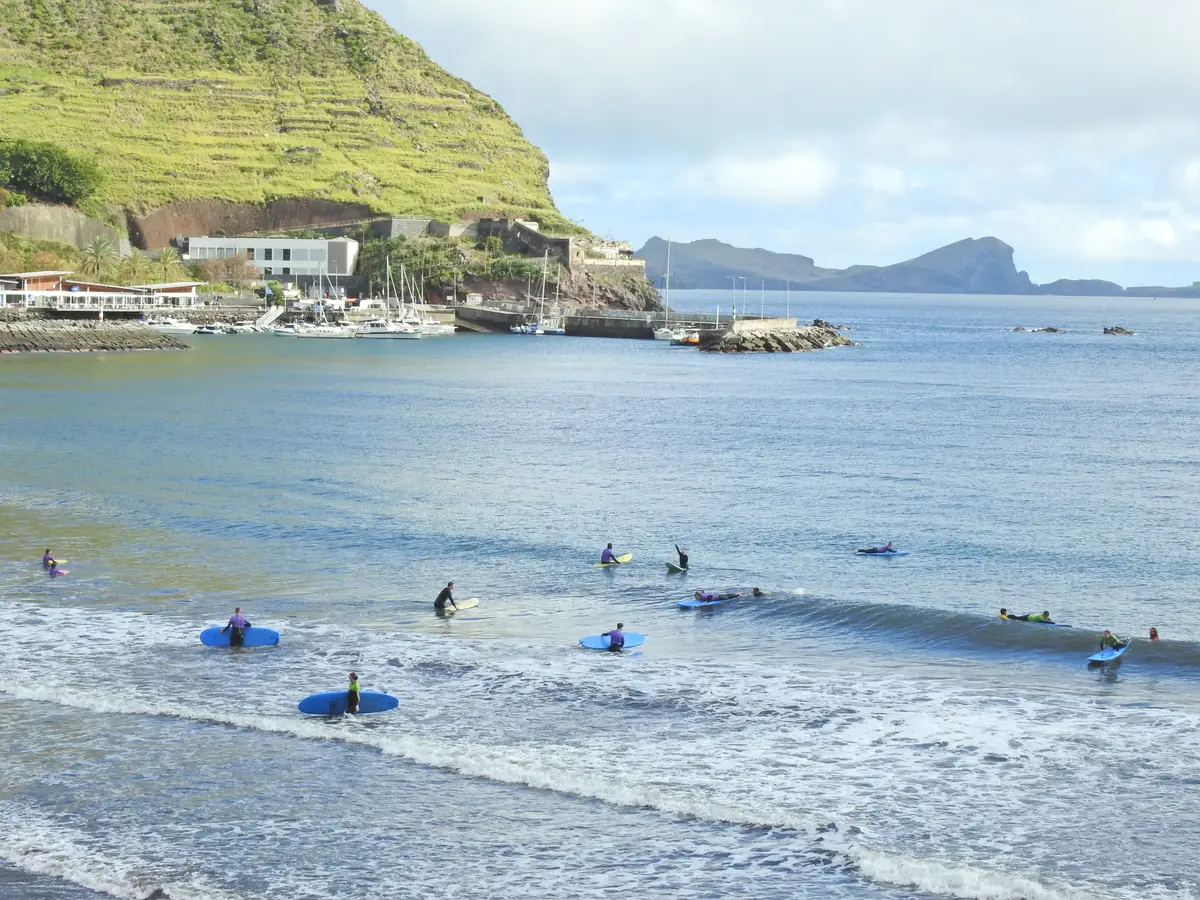
Book surfing in Porto da Cruz
Surfing lessons in Porto da Cruz
Pick a course, choose your dates and send it straight to the school. Nothing to pay today.
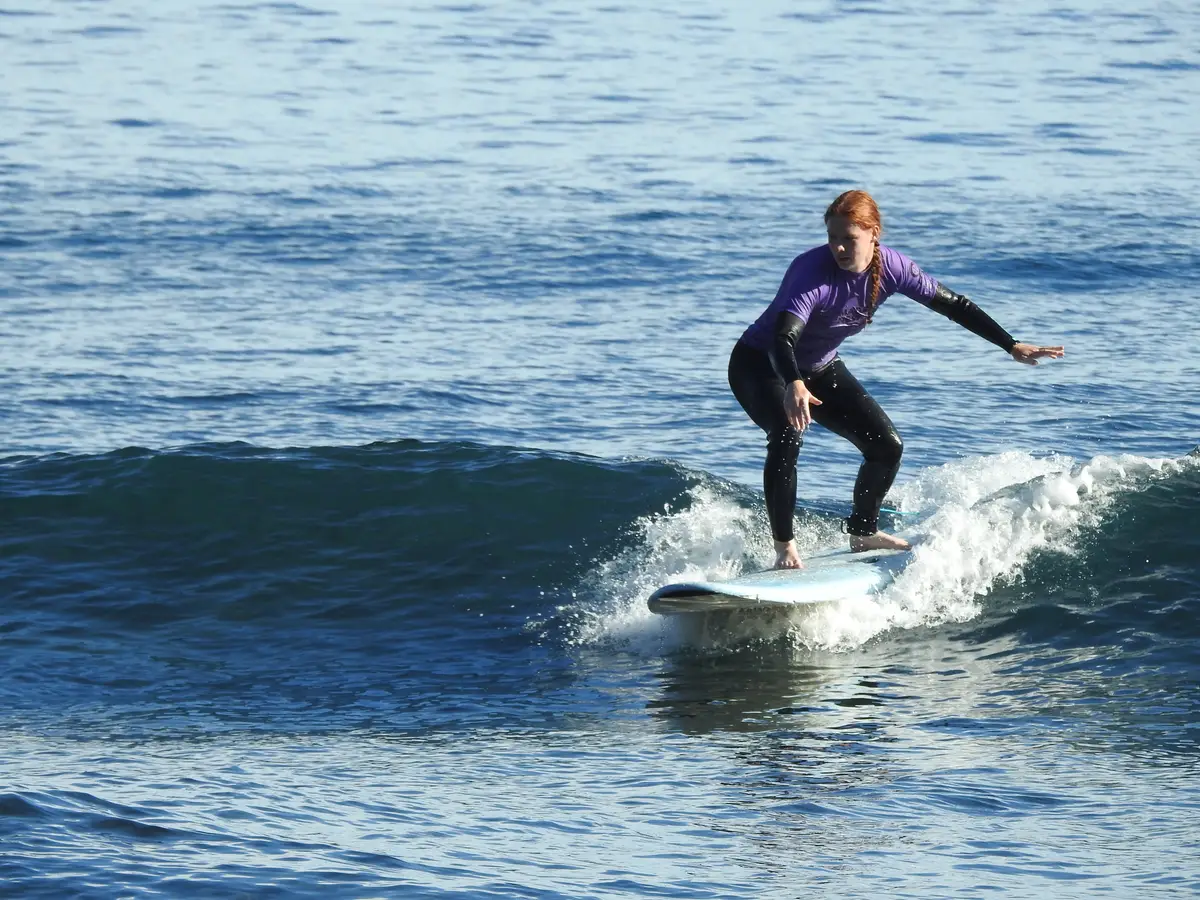
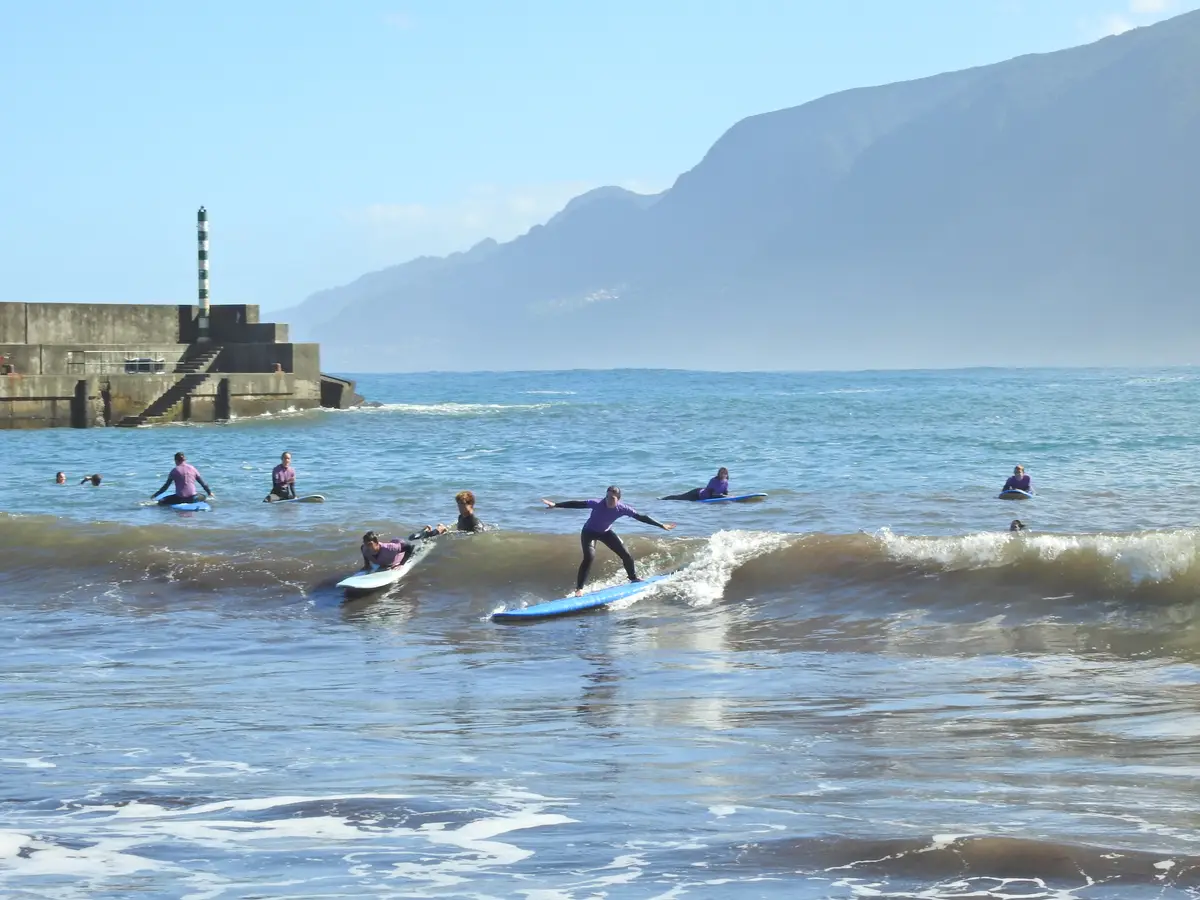
Book surfing in São Vicente
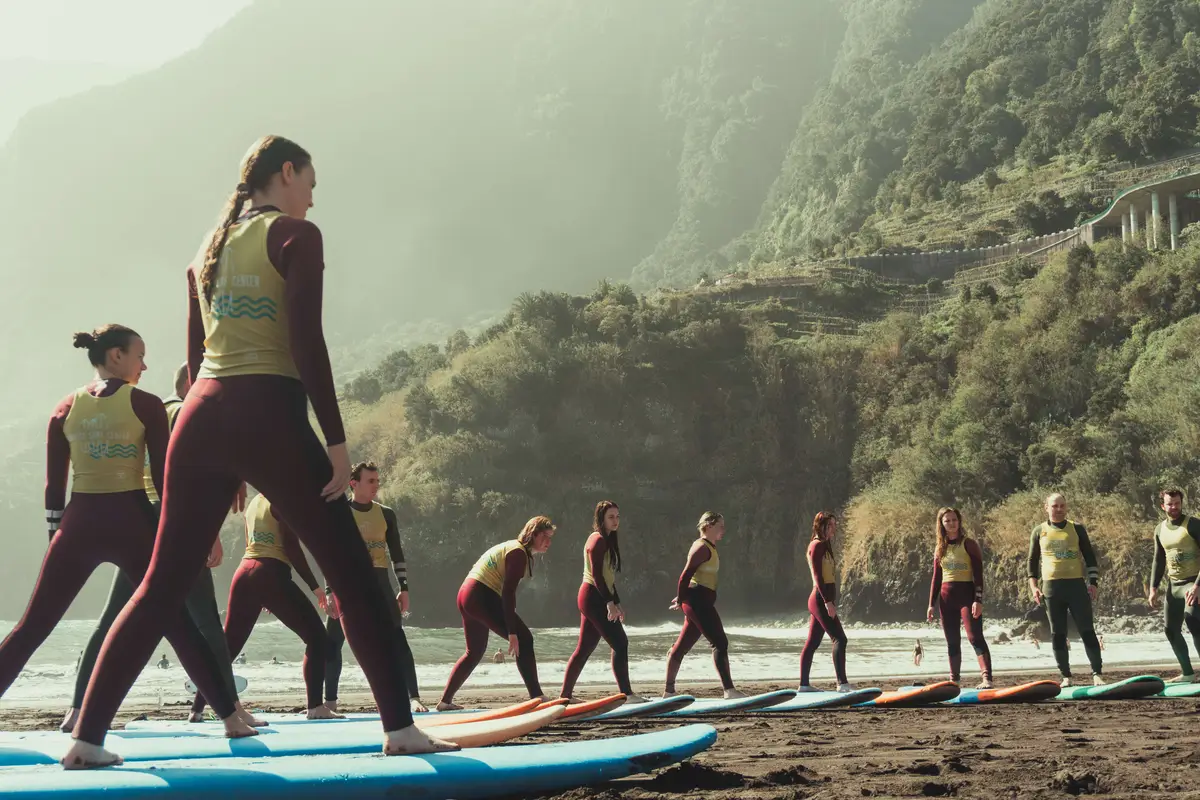
Surfing lessons in Seixal
Pick a course, choose your dates and send it straight to the school. Nothing to pay today.
Surfing in Portugal at a glance
Surfing in Portugal ranges from sandy mainland beach breaks to Madeira's Atlantic reefs. kitesurfing.me lists two surfing schools in Portugal: one in Porto da Cruz and one in São Vicente. The mainland spots below are travel recommendations and do not currently have bookable schools on the marketplace. For a Portugal surfing holiday, Baleal, Foz do Lizandro and Costa da Caparica offer sandy beaches where instructors can select conditions for beginners. Experienced surfers have options at Ericeira, Peniche and Nazaré. The Algarve's west coast faces Atlantic swell, while its south coast offers more shelter. Madeira offers an island trip with exposed surf and rocky coastlines.
Choose mainland Portugal for a wider range of sandy beaches and overland travel; choose Madeira for an island trip with exposed Atlantic coastlines and rocky shores.
- Peniche and Baleal offer beaches facing different directions around a compact peninsula.
- Ericeira has an eight-kilometre World Surfing Reserve with breaks ranging from accessible beaches to challenging reefs.
- Nazaré's Praia do Norte is known for exceptional big-wave conditions and is for highly experienced surfers.
- The Algarve has exposed Atlantic beaches on its west coast and more sheltered options on the south coast.
- Madeira's São Vicente and Porto da Cruz pair surf sessions with a dramatic volcanic island setting.
When is the best time for surfing in Portugal?
Portugal has surf throughout the year, but the best season depends on experience and beach exposure. Summer often brings smaller waves, while autumn through spring generally brings more frequent and powerful Atlantic swell. These are general seasonal patterns, not a forecast or a guarantee of suitable conditions. Check the daily forecast and local advice before entering the water.
| Spot | Jan | Feb | Mar | Apr | May | Jun | Jul | Aug | Sep | Oct | Nov | Dec |
|---|---|---|---|---|---|---|---|---|---|---|---|---|
| Peniche and Baleal | ||||||||||||
| Ericeira | ||||||||||||
| Nazaré | ||||||||||||
| Costa da Caparica | ||||||||||||
| Algarve west coast | ||||||||||||
| São Vicente | ||||||||||||
| Porto da Cruz |
The best spots for surfing in Portugal
| Spot | Water | Level | Best months | Why go |
|---|---|---|---|---|
| Peniche and Baleal | Cool Atlantic, wetsuit useful | Beginner to advanced | Mar to Nov | The peninsula and nearby Baleal provide beaches with different exposures as swell and wind shift. Sandy beach breaks make the area a useful base for newer surfers, while Supertubos is a powerful break for experienced riders. |
| Ericeira | Cool Atlantic, wetsuit useful | Beginner to expert | Mar to Nov | This coastal town has an eight-kilometre surf reserve with beaches as well as demanding reefs and points. Foz do Lizandro is among the more approachable choices, while several exposed reef breaks are better suited to experienced surfers. |
| Nazaré | Cool Atlantic, wetsuit useful | Intermediate to expert | Oct to Mar | Nazaré is known for the giant waves at Praia do Norte, generated by the underwater canyon offshore. The big-wave break is for elite surfers with specialist support. Beginners should ask an instructor to select a suitable lesson location. |
| Costa da Caparica | Cool Atlantic, wetsuit useful | Beginner to intermediate | Jun to Aug | South of Lisbon, this long sandy coast has many beach breaks and is convenient for visitors staying in the capital. Its beaches can suit instruction and recreational surfing, with conditions varying along the shore. |
| Algarve west coast | Cool Atlantic, wetsuit useful | Beginner to advanced | Mar to Nov | Beaches around Aljezur and Sagres face the open Atlantic and pick up swell that can be absent on the Algarve's more sheltered south coast. The region offers sandy beach breaks, but exposed surf can become powerful, particularly in winter. |
| São Vicente | Atlantic, wetsuit useful | Conditions depend on location | Mar to May, Sep to Nov | On Madeira's north coast, São Vicente has a steep volcanic shoreline and surf breaks shaped by Atlantic swell. One surfing school is listed in São Vicente. Ask the school to select a session suited to your experience and the day's conditions. |
| Porto da Cruz | Atlantic, wetsuit useful | Conditions depend on location | Mar to May, Sep to Nov | This Madeira village sits beneath steep green slopes on the island's northeast coast. One surfing school is listed here. Ask the school where lessons take place and whether the day's waves and entry are suitable for your ability. |
Which Portugal spot suits your surfing level?
Complete beginner
Choose instruction on a sandy beach such as Baleal, Foz do Lizandro or Costa da Caparica. Ask a local instructor to select a beach that fits the day's conditions.
Beginner with some lessons
Peniche and Baleal offer a range of beach exposures, while the Lisbon coast provides access to several sandy breaks. A local instructor can help match the beach to your level.
Intermediate
Ericeira, Peniche and the Algarve west coast provide varied waves for improving skills. On Madeira, ask locally about suitable locations, waves and entries before a session.
Advanced
Experienced surfers can explore Ericeira's reef breaks, Peniche's Supertubos and Madeira's exposed coasts. Nazaré's giant-wave break requires specialist big-wave experience and support.
Getting to Portugal and between the spots
- Getting to Portugal
- Most international visitors arrive by air through Lisbon, Porto or Faro on the mainland, or Funchal in Madeira. Mainland Portugal is also reachable by road and rail from Spain. Madeira and the Azores require air or sea travel. If bringing a board, check your airline's size limits and sports-baggage fees before booking, and check board space with your bus or train operator.
- Airports
- LISLisbon Humberto Delgado AirportFor Ericeira, Peniche, Nazaré, Costa da Caparica, Alentejo Coast, Algarve. A practical arrival point for central Portugal and the capital region. Ericeira and Peniche are reached by road or bus; mainland intercity trains leave from Lisbon stations.
- OPOFrancisco Sá Carneiro AirportFor Matosinhos, Espinho, Figueira da Foz, Viana do Castelo. Useful for northern Portugal and the Porto coast, with road and public transport connections into Porto.
- FAOFaro AirportFor Sagres, Aljezur, Algarve. The closest major airport for the Algarve. A rental car or onward bus is useful for reaching west coast beaches.
- FNCMadeira Cristiano Ronaldo AirportFor São Vicente, Porto da Cruz. Located in Santa Cruz, about 18 kilometres from central Funchal. Taxis, buses and rental cars connect the airport with the island.
- Between the spots
- On the mainland, intercity trains connect Lisbon, Porto, Coimbra and Faro. Fast trains from Lisboa Oriente to Porto Campanhã take about 2 hours 40 minutes, and the fastest trains from Lisboa Oriente to Faro take about 3 hours; other services take longer. Buses reach coastal towns such as Ericeira and Peniche, while a rental car makes it easier to visit scattered destinations. In Madeira, rent a car or use island buses. Funchal to São Vicente takes around 50 minutes by road; Porto da Cruz is also accessible from the airport by road. Road times vary.
- Entry and visa
- Portugal is in the Schengen area. Many visitors, including visa-exempt nationals, can stay for up to 90 days in any 180-day period; others need a short-stay Schengen visa. Requirements vary by nationality, so check the official Portuguese government guidance before travel.
- Money and costs
- Portugal uses the euro (€). Cards are widely accepted in towns and larger businesses, while some small purchases and rural services may require cash. A budget traveller might allow roughly €60 to €80 per day for a hostel dorm, inexpensive meals and public transport, excluding flights and activity lessons. Private rooms and peak-season stays can cost more.
- Climate and water
- Mainland Portugal has mild, wetter winters and warm, dry summers. Coastal daytime temperatures are generally cooler in the north than in the Algarve. Long-term Funchal station measurements for 1981 to 2010 show average daytime highs of about 20°C in January and February and 26°C in August.
- Safety
- Atlantic coastal conditions can change quickly, and Portugal's beaches may have strong currents, shorebreak and powerful waves. Use beaches with lifeguards when available, follow local flag and lifeguard instructions, and check conditions before entering the water. On Madeira, rocky entries require extra care. Choose activities suited to your ability and seek local instruction when needed.
Surfing in Portugal: your questions
Where can you go surfing in Portugal?
You can surf along the mainland Atlantic coast, including Peniche, Ericeira, the Lisbon coast and the Algarve, as well as on Madeira. Baleal and Costa da Caparica have sandy beaches useful for instruction. Ericeira has challenging reefs, and Nazaré's giant waves require specialist big-wave experience and support.
When is the best time to surf in Portugal?
The best time to surf in Portugal depends on your ability and preferred conditions. Summer generally brings smaller waves, while autumn through spring often brings stronger Atlantic swell. Winter can be demanding on exposed coasts. These seasonal patterns are general guidance, so check the forecast and ask locally before each session.
Where is the best place for beginners to surf in Portugal?
Baleal, Foz do Lizandro and Costa da Caparica are useful starting points for beginners because their sandy beaches offer options for instruction. Conditions change with swell, wind and tides, so a familiar beach is not automatically safe every day. Ask an instructor to choose a suitable beach and session.
Where should I surf in Portugal in July?
In July, consider sandy beaches near Peniche and Baleal, Costa da Caparica or sheltered Algarve beaches for generally smaller summer surf. Waves and currents still vary by beach and day. On Madeira, ask an instructor to choose a beginner-suitable beach and session for the day's conditions; exposed reefs and rocky entries can be hazardous.
How do I book surfing lessons for a Portugal holiday?
Choose a lesson on kitesurfing.me and send a request. The school confirms your booking, and you pay at the school. Travellers seeking a surfing camp in Portugal should check whether accommodation is included before requesting a course; the listed lessons should not be assumed to include lodging.
How do I get between Portugal's main surf regions?
Fast trains from Lisboa Oriente to Porto Campanhã take about 2 hours 40 minutes, and the fastest trains from Lisboa Oriente to Faro take about 3 hours; other services take longer. Buses reach Ericeira and Peniche. A car helps with scattered beaches. Madeira requires a separate flight or sea journey.
Do I need a visa to surf in Portugal?
Portugal follows Schengen short-stay rules. Many visitors can enter visa-free for up to 90 days in any 180-day period, while some nationalities need a Schengen visa. Your permitted stay depends on your passport and travel history, so check the Portuguese government's official entry guidance for your nationality before booking.
How much does a surf trip to Portugal cost?
A budget traveller might allow roughly €60 to €80 per day for a hostel dorm, inexpensive meals and public transport, excluding flights and surf lessons. Private rooms and peak-season stays can cost more. A rental car adds fuel, tolls and parking, so include those separately in your Portugal trip budget.
What wetsuit should I bring to Portugal?
A wetsuit is useful for Portugal's Atlantic waters, but the right thickness depends on the season, location and your tolerance for cold. Many surfers use a 3/2 mm or 4/3 mm suit. Ask your instructor what is appropriate for your session and whether a suit is included with the lesson.
What surf safety and etiquette should I follow in Portugal?
Choose a Portugal beach suited to your ability and check for currents, shorebreak and changing conditions. Give the surfer closest to the breaking part of the wave priority, avoid paddling through another surfer's line, and follow local flags and lifeguard instructions. On Madeira, take particular care around rocky entries and exposed reefs.
Sources for this guide: Visit Portugal, surfing in Portugal, Visit Portugal, Portugal surf breakers, Visit Portugal, Ericeira Surfing Reserve, Visit Portugal, useful information, IPMA climate normals, IPMA Funchal climate normal, 1981 to 2010, Portugal government travel guidance, UK government Portugal entry requirements, Comboios de Portugal, route network, The Portugal Guides, travel costs, Madeira airport to Porto da Cruz transfer · Last checked November 2026.