
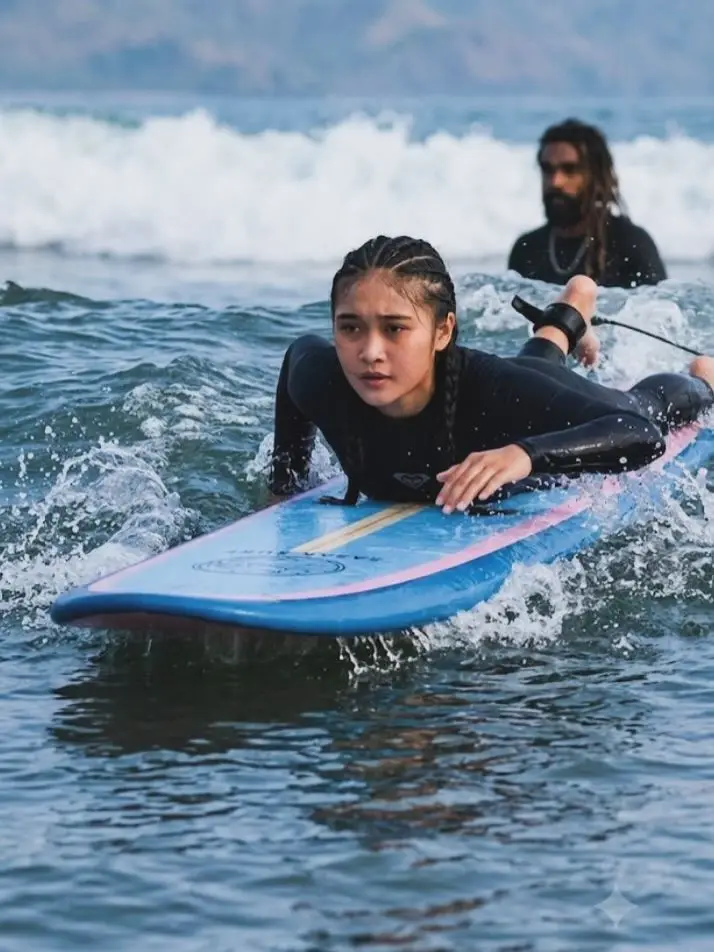
Surfing in Sri Lanka
17 schools in 4 places2 spot guidesBest months All year
We list 17 surfing schools in 4 places in Sri Lanka; 2 spots have their own guide below. You can book lessons in Weligama (from $40) and Galle (from €26). Best months: All year.
Book surfing in Weligama
Surfing lessons in Weligama
Pick a course, choose your dates and send it straight to the school. Nothing to pay today.
Book surfing in Galle
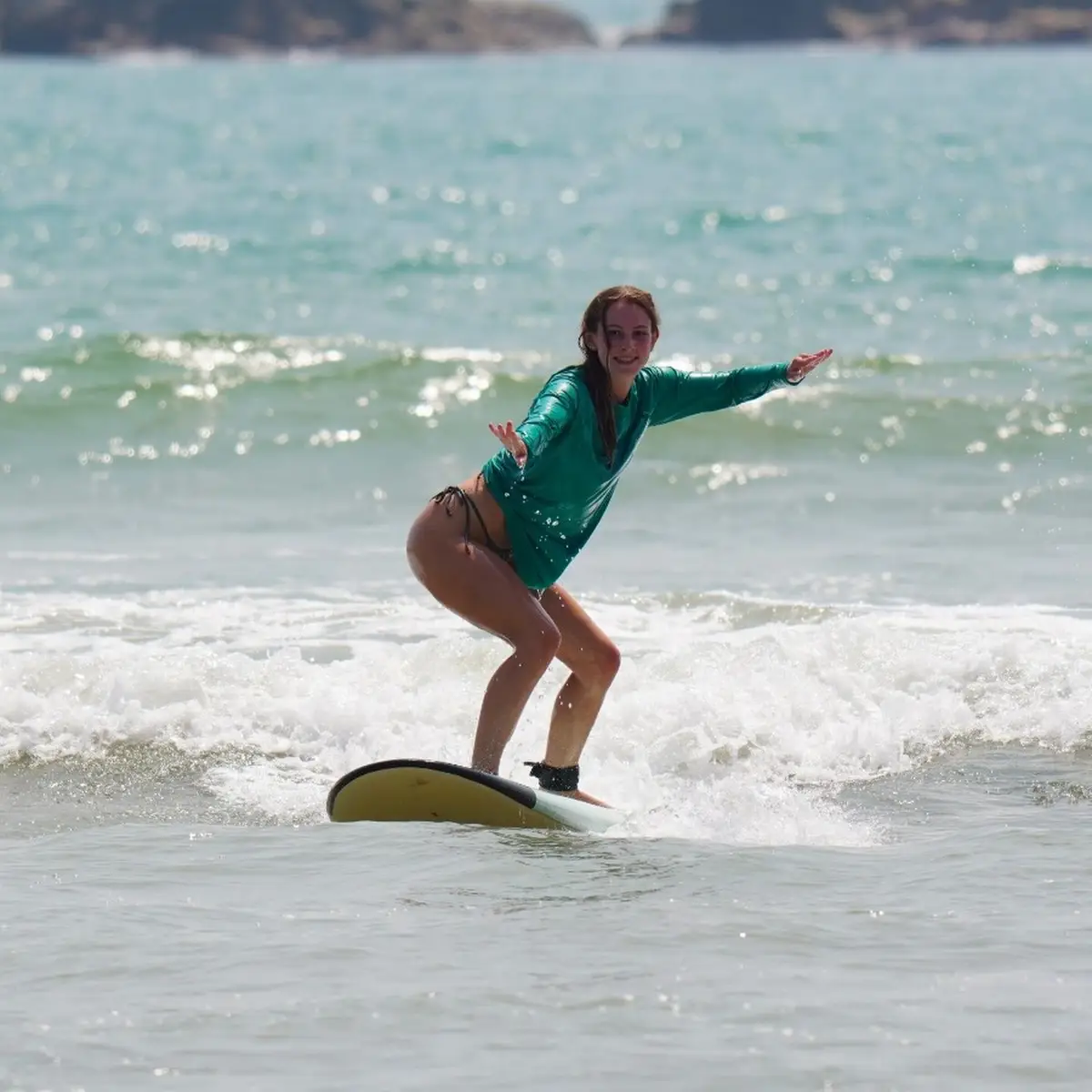
Surfing lessons in Galle
Pick a course, choose your dates and send it straight to the school. Nothing to pay today.
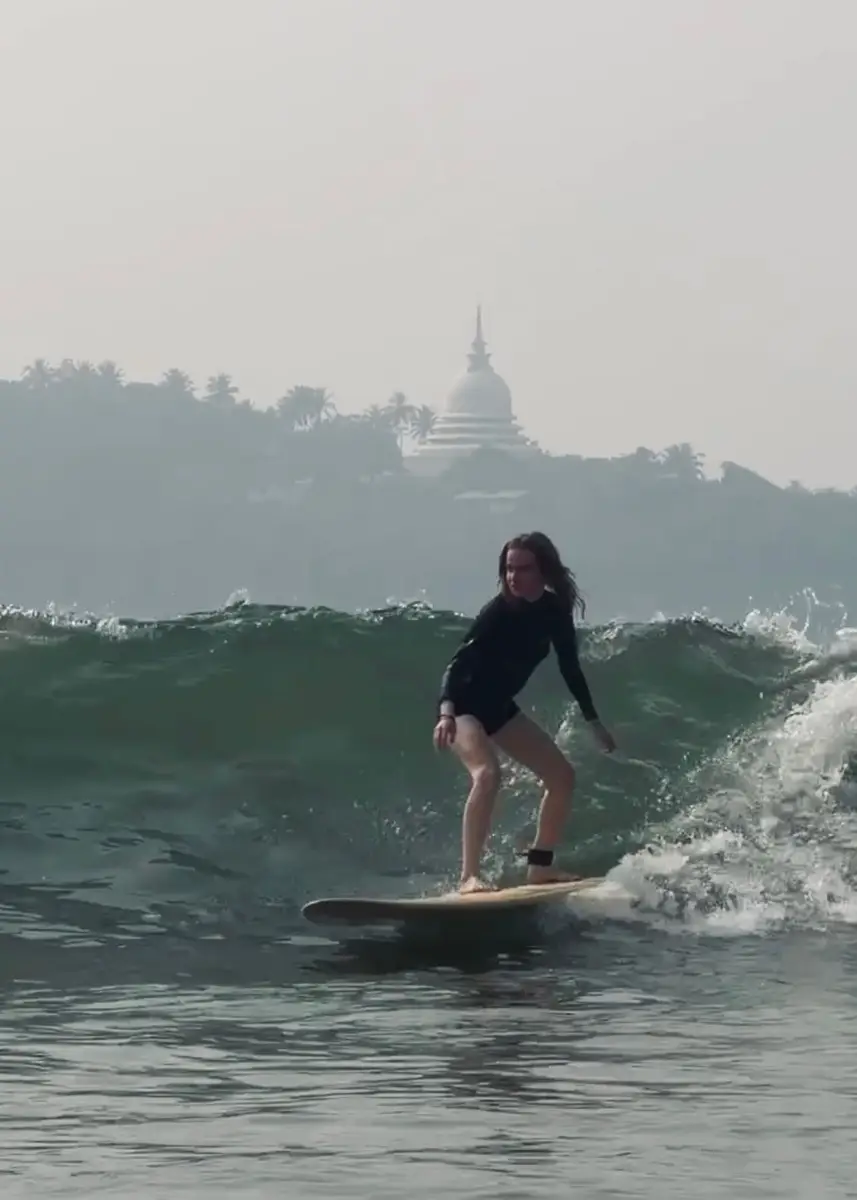
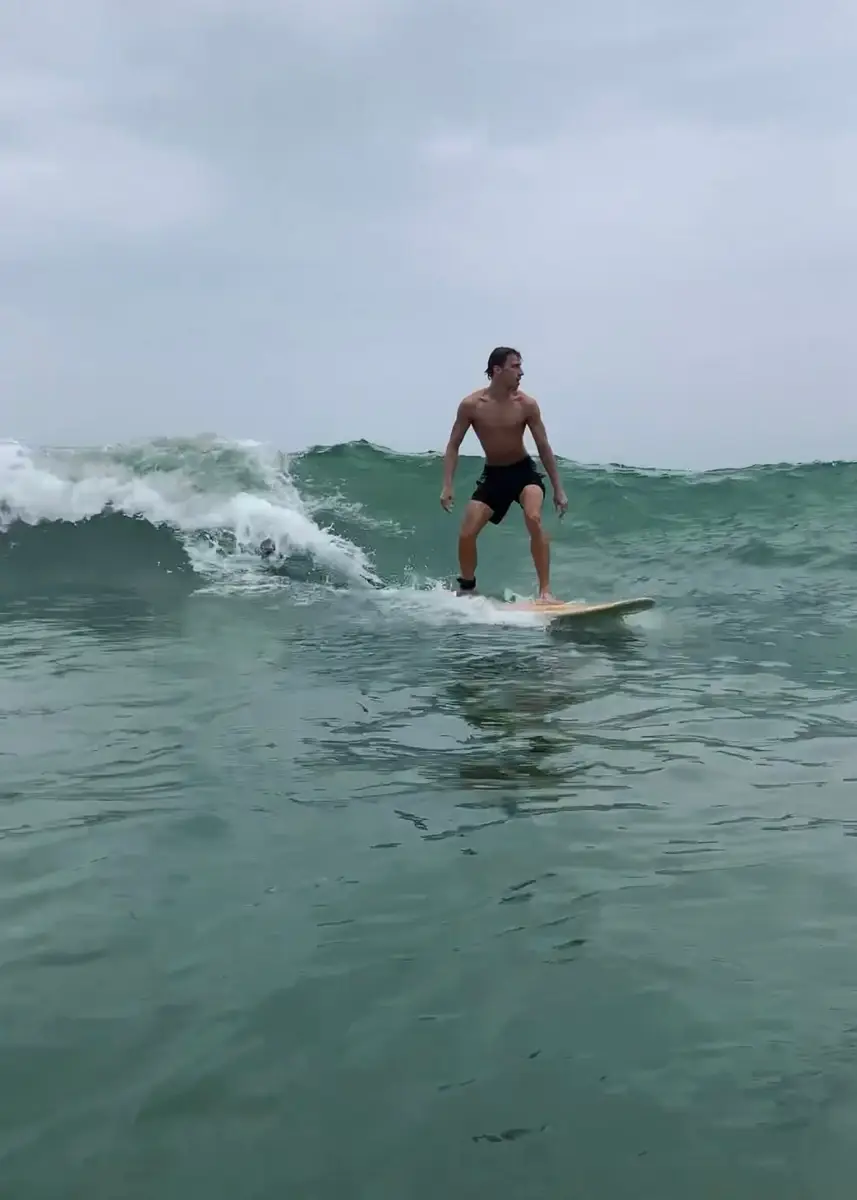
Surfing in Sri Lanka at a glance
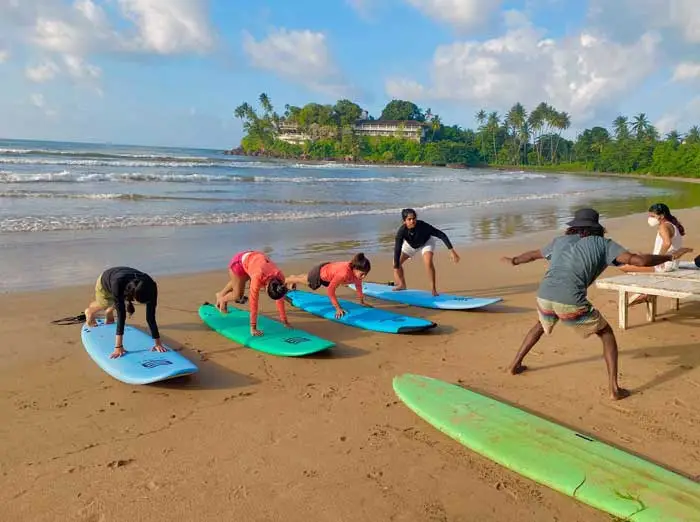
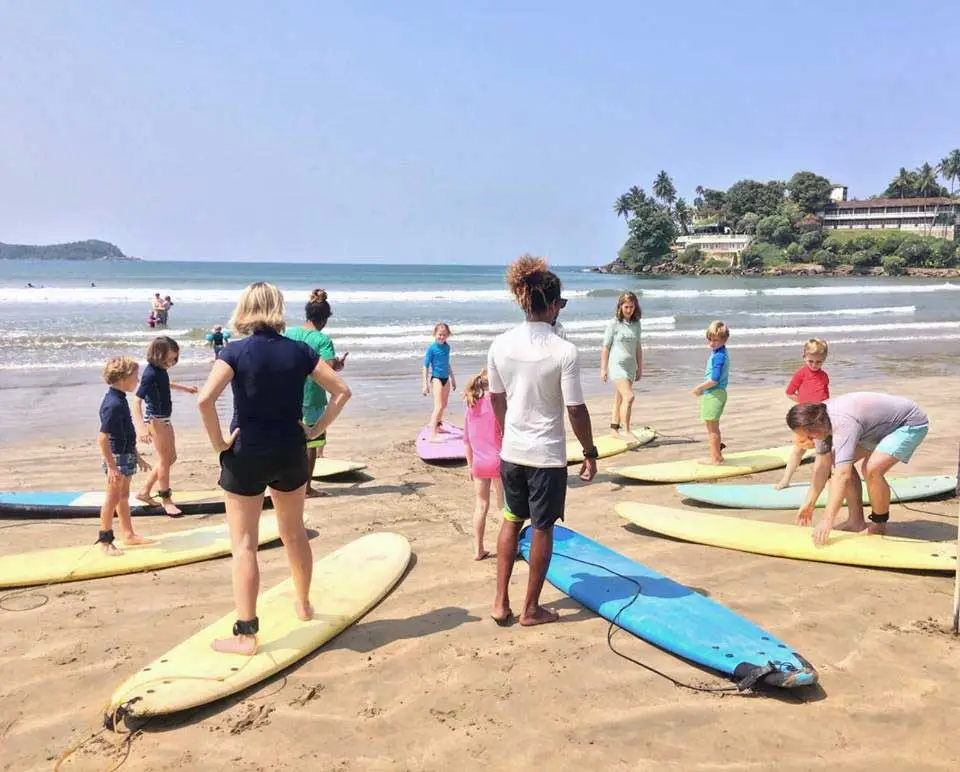
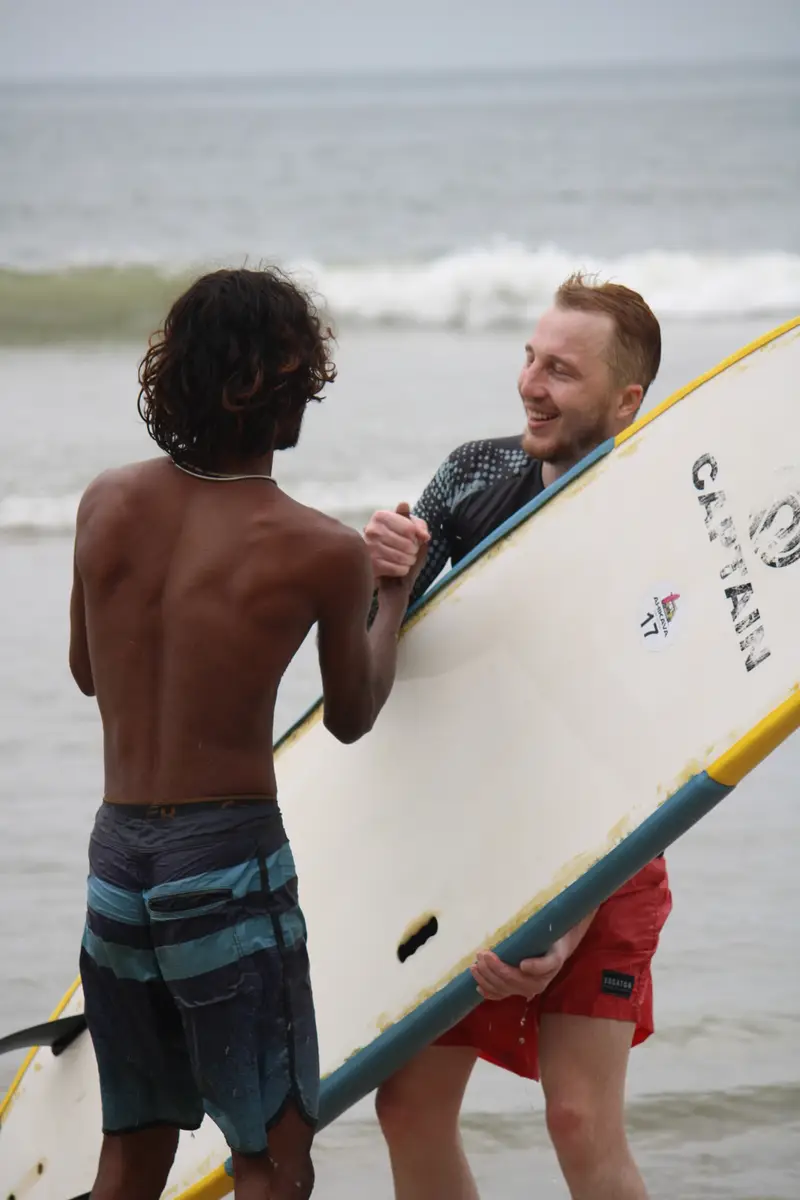
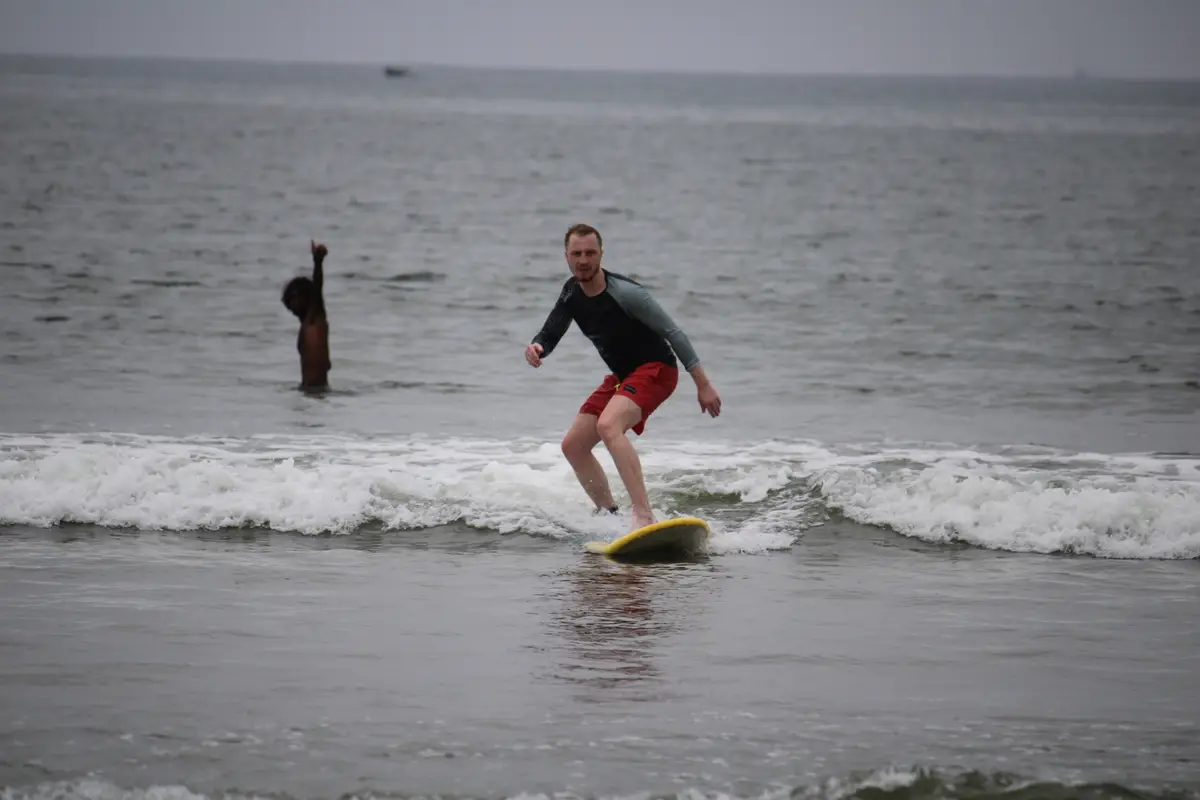
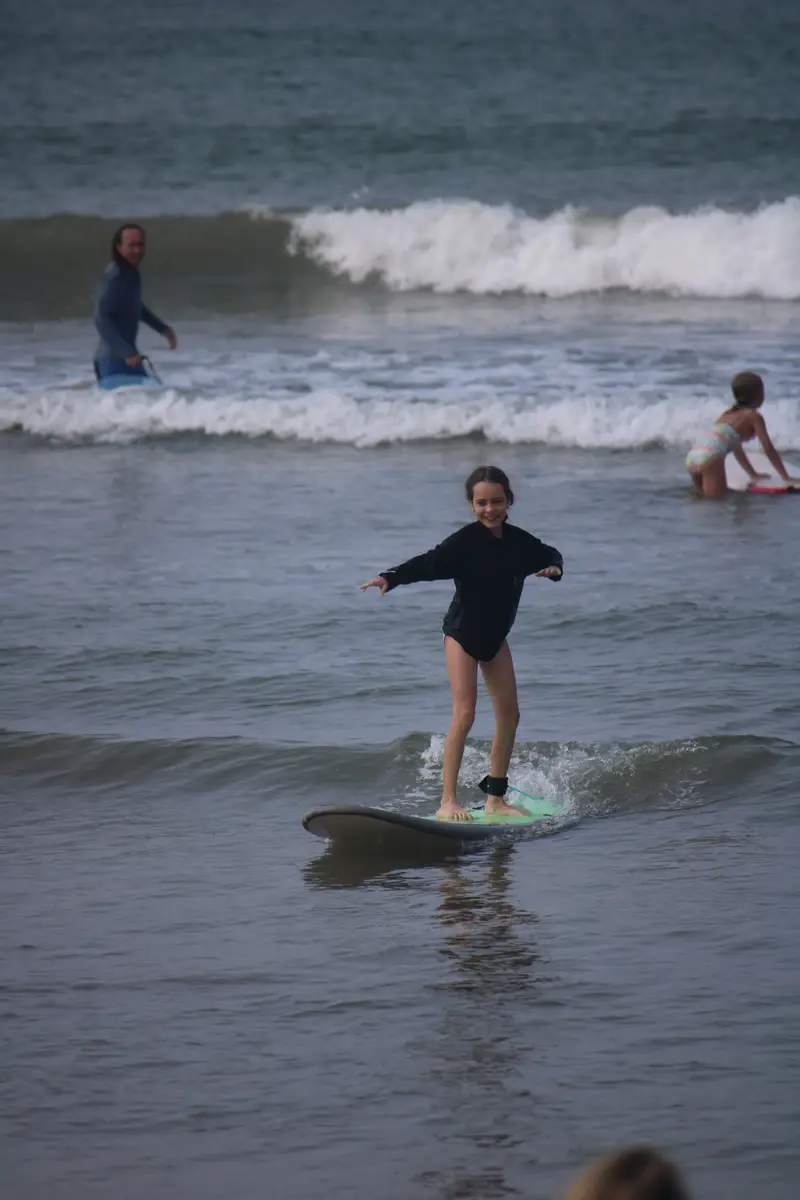
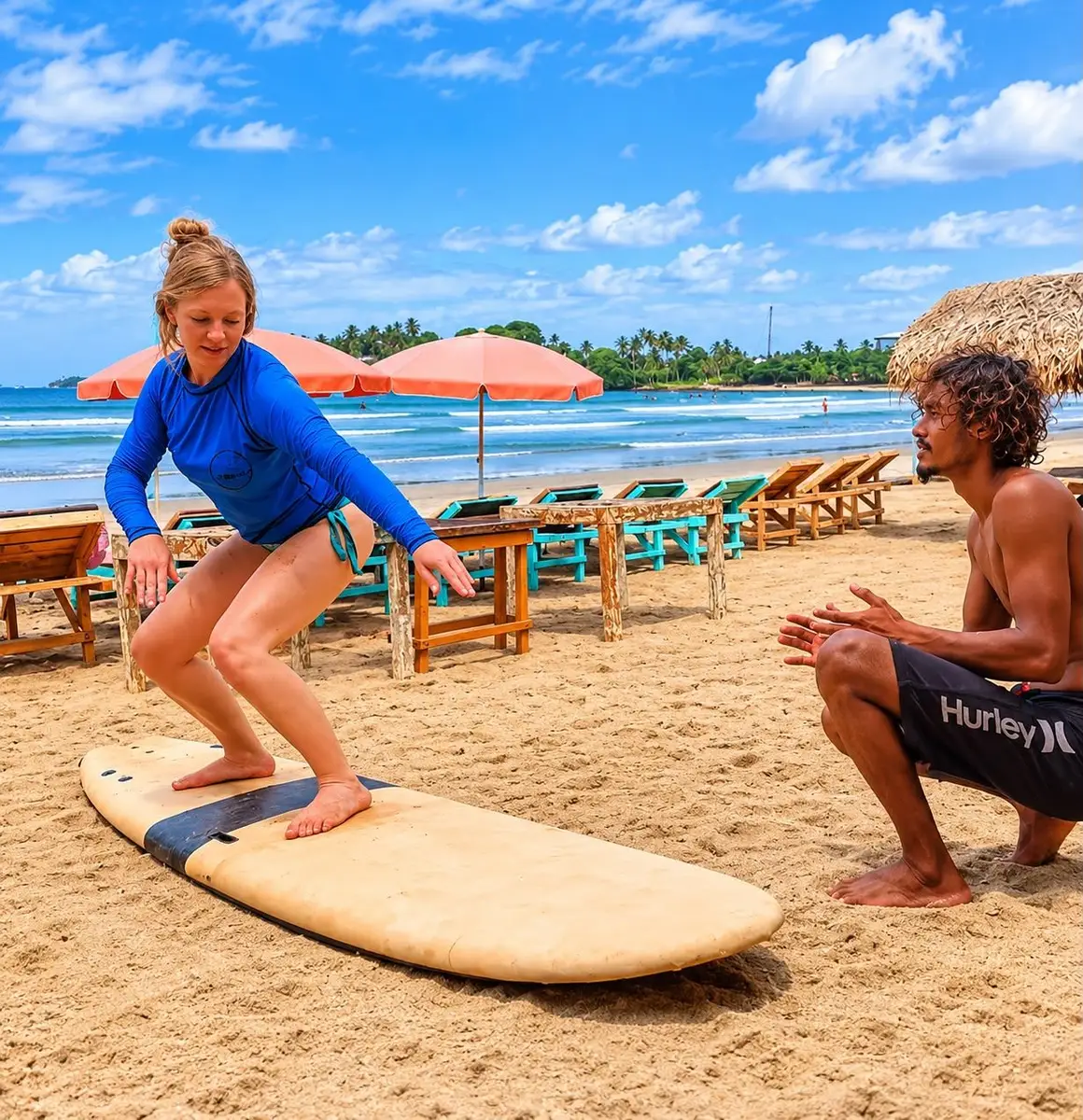
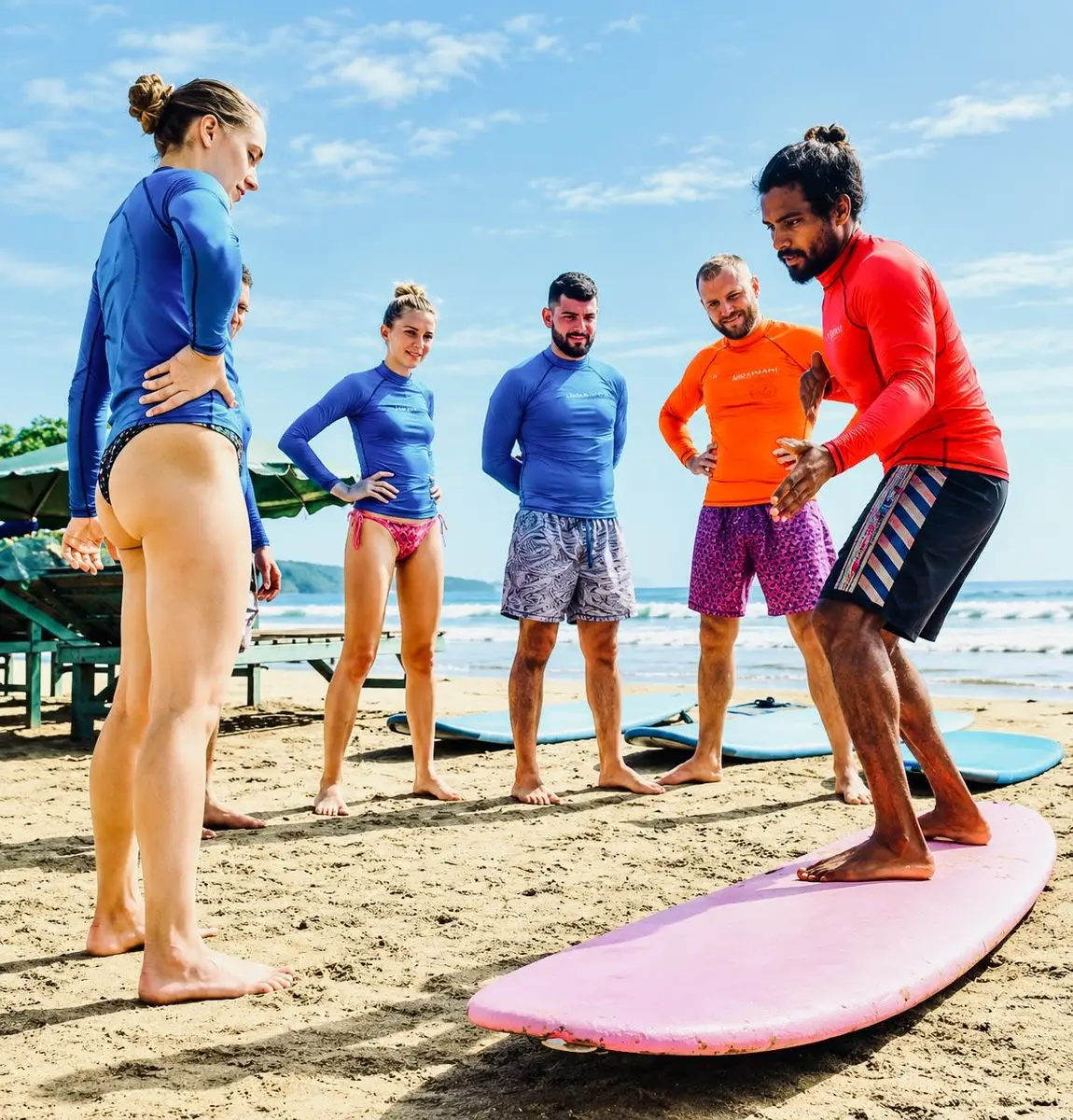
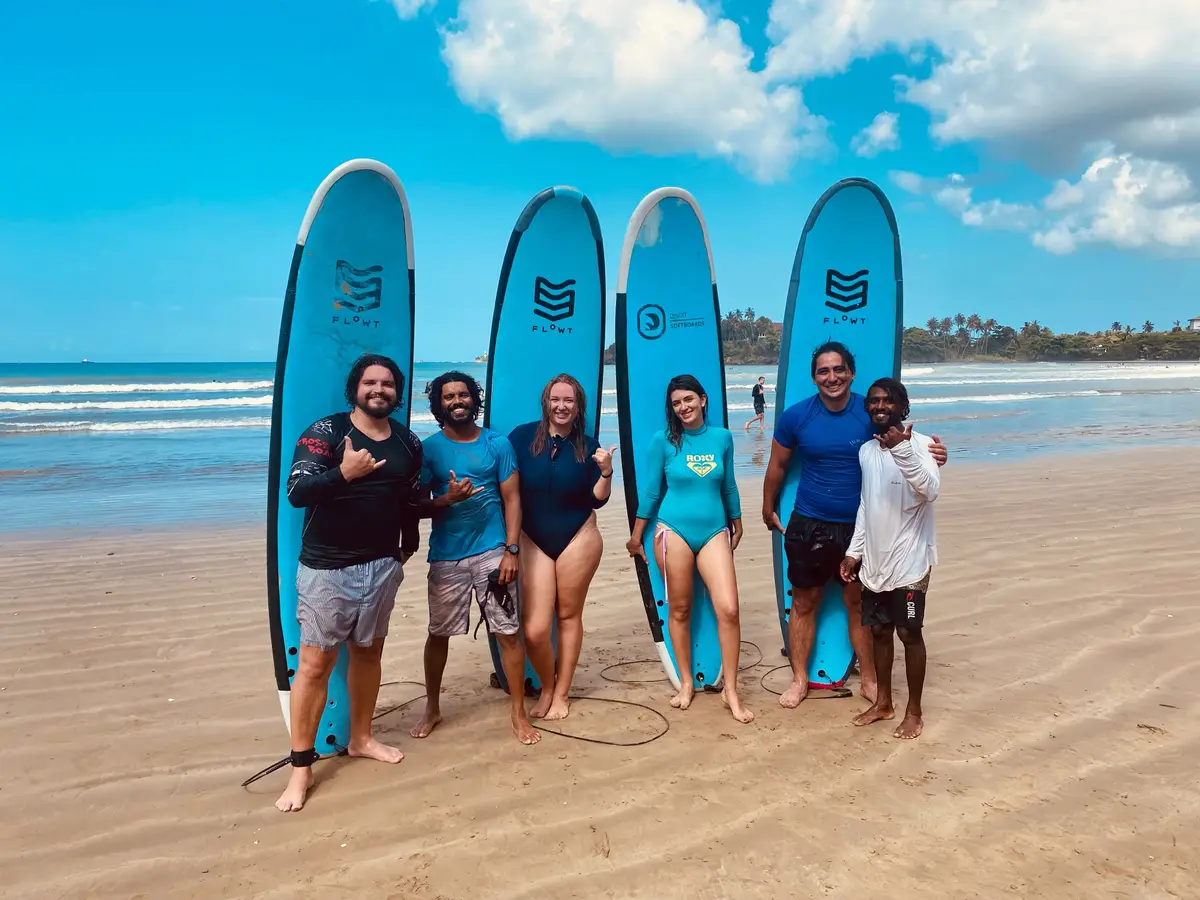
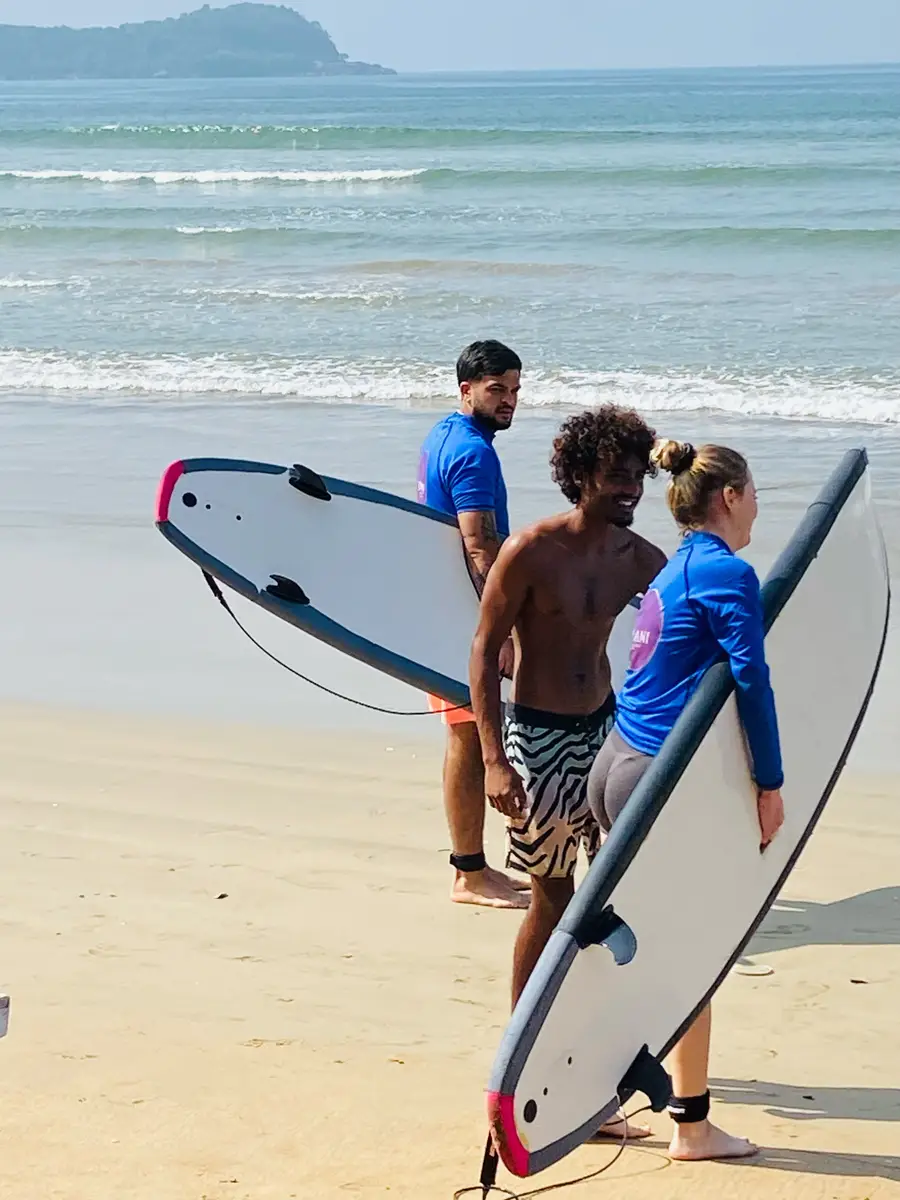
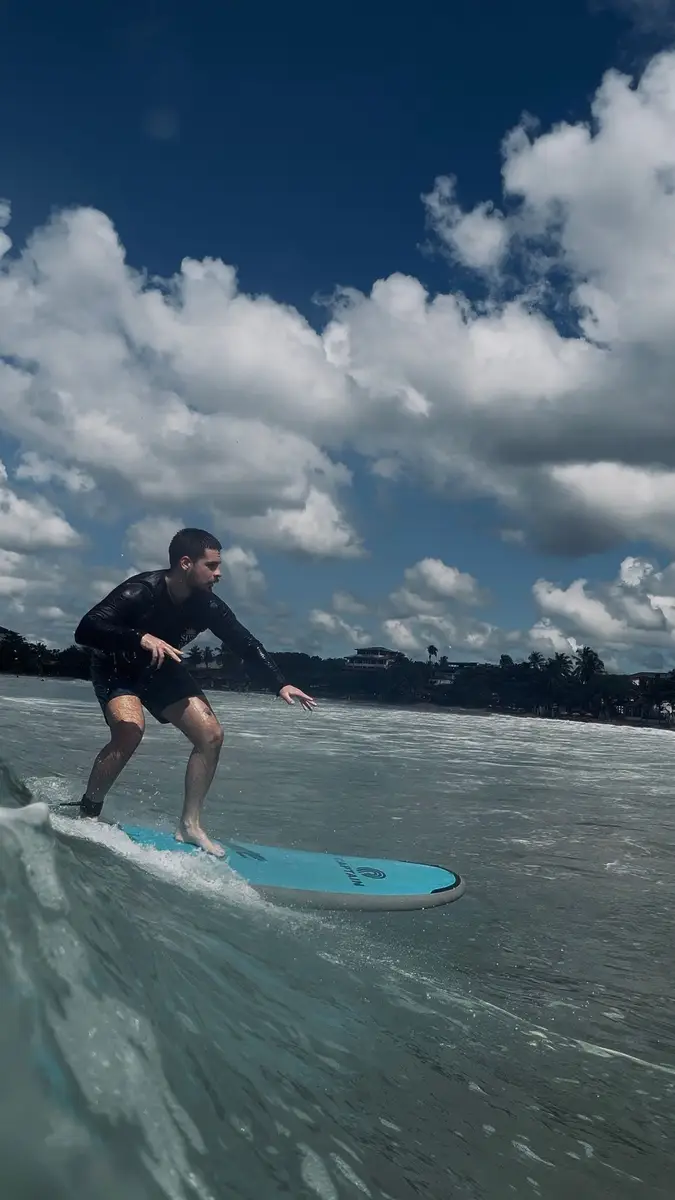
Surfing Sri Lanka means choosing the coast for your travel dates: the south is in season from November to April, while the east generally works from April or May to September or October. Beginners can start at Weligama or Dewata Beach near Galle, while experienced surfers can explore the reefs at Midigama and Ahangama or the main point at Arugam Bay. Kitesurfing.me lists 13 schools teaching surfing in Sri Lanka, including 7 in Weligama and 6 in Galle. Send a lesson request on kitesurfing.me; the school confirms it and you pay at the school. For a trip between coasts, arrange a vehicle with space for your board.
Sri Lanka is a tropical island in the Indian Ocean, with coastal regions and a mountainous interior. Two monsoons affect different parts of the country at different times, so travellers can usually find a suitable coastal area in most seasons. Check local weather for the region and dates you plan to visit.
- Weligama and Galle have 7 and 6 listed surf schools respectively.
- The south coast season runs from November to April, while the east coast season runs from April or May to September or October.
- Weligama and Galle offer sandy beach breaks for first lessons.
- The schools listed here offer beginner lessons in Weligama and Galle.
- Long-term monthly water-temperature averages at Weligama range from about 28 to 30°C; conditions on your trip can differ.
When is the best time for surfing in Sri Lanka?
The surfing season in Sri Lanka moves between coasts. Weligama, Galle, Midigama and Ahangama are south coast choices from November to April; Hikkaduwa's main window is November to March. Around Arugam Bay, the east coast season runs from April or May to September or October. For Arugam Bay, April and October are transition months; May to September is the more reliable core window, and conditions vary each year. The months listed combine both regional seasons.
The best spots for surfing in Sri Lanka
| Spot | Water | Level | Best months | Why go |
|---|---|---|---|---|
| Weligama | Sandy beach break | Beginner to intermediate | Nov to Apr | Weligama, Sri Lanka, has a wide sandy bay where beginners can practise in whitewater from November to April. Its central lesson areas get busy, so leave room for other learners and loose boards. Larger swells can close out across the beach. Nearby reefs give progressing surfers more options. |
| Galle | Sandy beach break | Beginner to intermediate | Nov to Apr | Galle, Sri Lanka, combines a historic fort with surf lessons at nearby Dewata Beach. The sandy beach break offers a first-lesson option when waves are small. Six schools are listed in Galle, and Weligama and Ahangama are accessible along the south coast. |
| Midigama | Reef breaks | Intermediate to advanced | Nov to Apr | Midigama, Sri Lanka, lies west of Weligama and has several reef breaks with lefts and rights. It suits surfers who can control their boards and share a lineup. Ask locally about reef depth, tide and the safest entry before paddling out. |
| Ahangama | Beach and reef breaks | Beginner to advanced | Nov to Apr | Ahangama, Sri Lanka, is a south coast base for several reef breaks, with Kabalana's beach nearby. The choice can suit a group with different abilities, but each break has its own entry and hazards. Choose the beach or reef for your experience and the day's conditions. |
| Hikkaduwa | Beach and reef breaks | Beginner to advanced | Nov to Mar | Hikkaduwa, Sri Lanka, is a lively southwest coast base with beach and reef waves. Narigama Beach offers a place for learners to take lessons, while the reefs require stronger board control and care around coral. The main recommended season runs from November to March. |
| Arugam Bay | Right-hand point breaks | Beginner to advanced | Apr to Oct | Arugam Bay, Sri Lanka, is the main east coast surf base from April or May to September or October. May to September is the more reliable core window; April and October are transition months. The main point is a right-hand wave for confident surfers. Baby Point offers a smaller progression option when conditions suit, although both areas can be busy. |
| Whisky Point | Right-hand point break | Beginner to intermediate | May to Sep | Whisky Point, north of Arugam Bay in Sri Lanka, has a right-hand wave that can suit beginners and improvers on a small day. Rocks at the takeoff and stronger currents in larger swell make local guidance useful. Ask an instructor about the entry before going out. |
| Peanut Farm | Point breaks | Improver to advanced | May to Sep | Peanut Farm, south of Arugam Bay in Sri Lanka, has a gentler inside area and a stronger point reached by a rough track. Improvers can ask an instructor about the inside on a small day. The outside point suits capable surfers; check access and the day's conditions before entering. |
| Pottuvil Point | Right-hand point break | Advanced | May to Sep | Pottuvil Point, north of Arugam Bay in Sri Lanka, is a right-hand point best left to experienced surfers. Its stronger conditions make it unsuitable for a first lesson. Check the swell, current and entry route locally before paddling out, and allow room for other surfers. |
Which Sri Lanka spot suits your surfing level?
Complete beginner
Choose Weligama or Dewata Beach near Galle for a lesson on a sandy beach break from November to April. Start in small whitewater and leave space around other learners.
Improver
Practise unbroken waves at Weligama. On a small east coast day, ask an instructor about Baby Point, Whisky Point or Peanut Farm's inside area.
Intermediate
Explore Midigama and Ahangama in the south coast season or selected Arugam Bay breaks in the east coast season. Check each reef or point's depth and entry.
Advanced
Arugam Bay's main point and Pottuvil Point offer more demanding east coast waves, while Midigama and Ahangama add south coast reef options.
Getting to Sri Lanka and between the spots
- Getting to Sri Lanka
- Most international visitors to Sri Lanka arrive at Bandaranaike International Airport near Katunayake, north of Colombo. From there, a pre-booked car or van can take you directly to Weligama or across the island to Arugam Bay. Public transport generally involves connections. Tell the driver about bulky luggage and confirm vehicle capacity in advance.
- Airports
- CMBBandaranaike International AirportFor Weligama, Arugam Bay. The main international gateway, near Katunayake. Weligama and Arugam Bay are reachable by road.
- Between the spots
- From Colombo airport in Sri Lanka, a private car or van to Weligama generally takes about 2.5 to 3 hours via the expressway. Allow roughly 7 to 9 hours by road to Arugam Bay, plus stops, depending on the route and traffic. Public buses and the south coast train offer alternatives with connections. Reserve space for oversized luggage when booking a vehicle, give the driver its dimensions and agree on a tuk-tuk fare before setting off.
- Entry and visa
- Entry requirements and fees depend on your passport and can change. Before travelling, check the official Sri Lanka immigration website for the current tourist authorization, permitted stay and any fee waiver for your nationality.
- Money and costs
- Sri Lanka's currency is the Sri Lankan rupee (LKR). Carry cash for buses, tuk-tuks and smaller businesses, while cards are accepted at many larger hotels and restaurants. For two people sharing, allow about US$45 to US$75 per person per day for budget accommodation, food, local transport and ordinary activities. International flights, visa fees, lessons and equipment are additional.
- Climate and water
- Coastal Sri Lanka is warm year-round, with a national average air temperature near 27°C. The southwest monsoon brings rain to the southwest coast from May to September, while the northeast monsoon affects the north and east mainly from December to February. Coastal water is warm, but sea and weather conditions vary by location and date.
- Safety
- Sri Lanka's monsoon seasons can bring heavy rain, rough seas and changing local conditions. Check official weather and safety notices before travel, follow local beach and water guidance, and keep clear of fishing boats and nets. Ask local operators about access and suitable support before visiting remote coastal areas.
Surfing in Sri Lanka: your questions
Where do people go surfing in Sri Lanka?
People surf around Weligama, Galle, Midigama, Ahangama and Hikkaduwa in southern Sri Lanka, and around Arugam Bay on the east coast. The south coast's main season runs from November to April. Head east from April or May to September or October for its point breaks.
What does the 12 second rule mean for surfing in Sri Lanka?
There is no universal 12-second right-of-way rule in surfing. In a forecast, a 12-second swell period means roughly 12 seconds between passing wave crests. At Weligama or Arugam Bay, give priority to the surfer closest to the breaking part of the wave and stay clear of their path.
Where is the best place for beginner surfers in Sri Lanka?
Weligama is a strong first choice for beginner surfers in Sri Lanka because its broad sandy bay has room for lessons in small whitewater. November to April is the main south coast season. Dewata Beach near Galle is another sandy option. Ask an instructor about currents and space before entering.
Which Sri Lanka beach resort area is best for surfers?
Weligama is a practical Sri Lanka beach resort area for first lessons from November to April, while Arugam Bay is a useful east coast base from April or May to September or October. Galle suits travellers who want lessons near a historic town. Stay close to a break suited to your level.
What is the prettiest beach in Sri Lanka for a surf trip?
Weligama's sweeping bay and Peanut Farm's forest-backed beach are attractive choices for a Sri Lanka surf trip. Beauty is personal, but their practical differences are clear: Weligama is convenient for beginner lessons, while Peanut Farm is a more remote east coast outing with both an inside area and a stronger point.
Is an all-inclusive stay best for a Sri Lanka surfing holiday?
An all-inclusive stay is optional for a Sri Lanka surfing holiday. It suits travellers who want meals arranged, while a room near Weligama or Arugam Bay leaves room to choose local restaurants and lessons. Before booking, check whether the price includes equipment, transfers and the number of surf sessions.
When is the best time to surf in Sri Lanka?
The best time to surf in Sri Lanka depends on the coast: choose November to April for Weligama and Galle, or April or May to September or October for Arugam Bay. January to March and June to September sit within the respective seasons. April and October are transition months.
Where should beginners surf in Sri Lanka in summer?
For a Sri Lanka summer trip, beginners can base themselves around Arugam Bay on the east coast from June to September. Ask an instructor about Baby Point or a small day at Whisky Point. Conditions and hazards differ between breaks, and Whisky Point has rocks near the takeoff.
Where should I go surfing in Sri Lanka in November?
In November, choose Weligama or Galle as a Sri Lanka surf base as the south coast season begins. Beginners can book a sandy beach lesson, while experienced surfers can explore Midigama and Ahangama. Allow a few days to visit nearby breaks and select conditions suited to your ability.
How do I travel between Sri Lanka surfing spots with a board?
Use a tuk-tuk or car for short trips between Galle, Ahangama, Midigama and Weligama, and agree on board space before departure. The coastal train connects Galle and Weligama, but ask railway staff about carrying a board. For Arugam Bay, arrange a vehicle with enough space for the longer cross-country journey.
What visa do I need for a Sri Lanka surfing holiday?
Sri Lanka entry requirements depend on your passport, so check the current tourist authorization and fees before travelling. British passport holders should apply online for an Electronic Travel Authorization before departure and need at least six months' passport validity on arrival. Check onward travel and length-of-stay requirements for your nationality.
How much do lessons cost, and should I book a surfing camp in Sri Lanka?
A surfing camp in Sri Lanka can bundle accommodation and lessons. Before booking, check the number and length of sessions, equipment and transfers. To book a lesson, send a request on kitesurfing.me; the school confirms it and you pay at the school.
Do I need a wetsuit for surfing in Sri Lanka?
Most surfers can wear swimwear and a rash vest in Sri Lanka's warm water. Weligama's long-term monthly average sea temperature is about 28°C in July and 30°C in April, though conditions on your trip can differ. A rash vest adds sun and board-rash protection, while reef booties can be useful around rocky entries.
What safety and surf etiquette should I know in Sri Lanka?
At Sri Lanka's surf breaks, give priority to the surfer nearest the breaking part of the wave and do not paddle into their path. In Weligama, watch for currents, learners and loose boards. At Midigama or Ahangama, check reef depth, tide and the entry route before paddling out.
Sources for this guide: Sri Lanka Tourism: surf destinations and seasons, Sri Lanka Tourism: Hikkaduwa, Sri Lanka Tourism: marine tourism report, Sri Lanka surf destinations and break descriptions, Sri Lanka surf breaks and coastal seasons, East coast beaches and surf points, Galle and Weligama transport options, Sri Lanka Railways: reservations and luggage conditions, Sri Lanka entry requirements for British travellers, Weligama monthly water temperatures, Swell period explained, Surf safety and etiquette, Sri Lanka Tourism, weather and climate, Sri Lanka Tourism, travel tips, Sri Lanka Immigration, ETA information, Sri Lanka Immigration, free tourist visas for eligible nationalities, Sri Lanka Civil Aviation Authority, airport information, Colombo airport to Weligama road transfer, Colombo airport to Arugam Bay road transfer, Sri Lanka Journeys, travel costs · Last checked November 2026.