
Surfing in Uruguay
1 school in 1 place1 spot guideBest months Mar to Jun, Sep to Nov
We list 1 surfing school in 1 place in Uruguay; 1 spot has its own guide below. You can book lessons in Punta del Este (from UYU 1,500). Best months: Mar to Jun, Sep to Nov.
Book surfing in Punta del Este
Surfing lessons in Punta del Este
Pick a course, choose your dates and send it straight to the school. Nothing to pay today.
Surfing in Uruguay at a glance
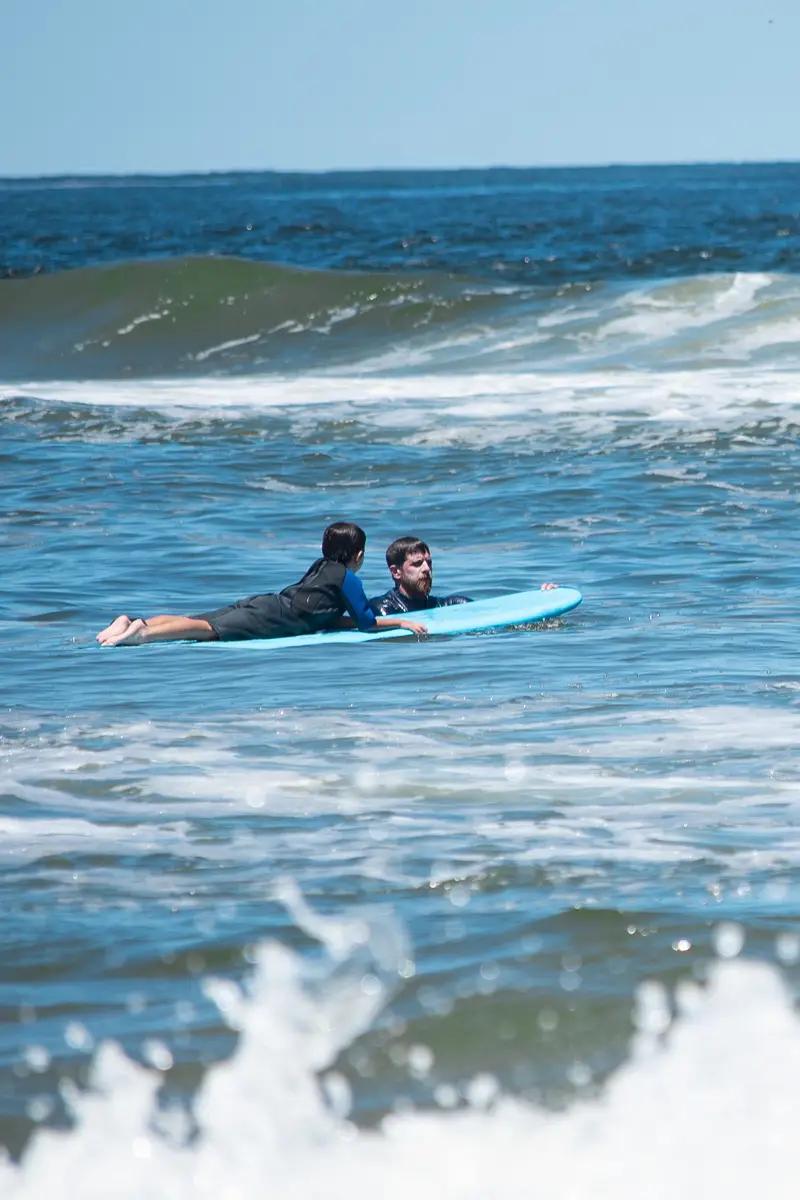
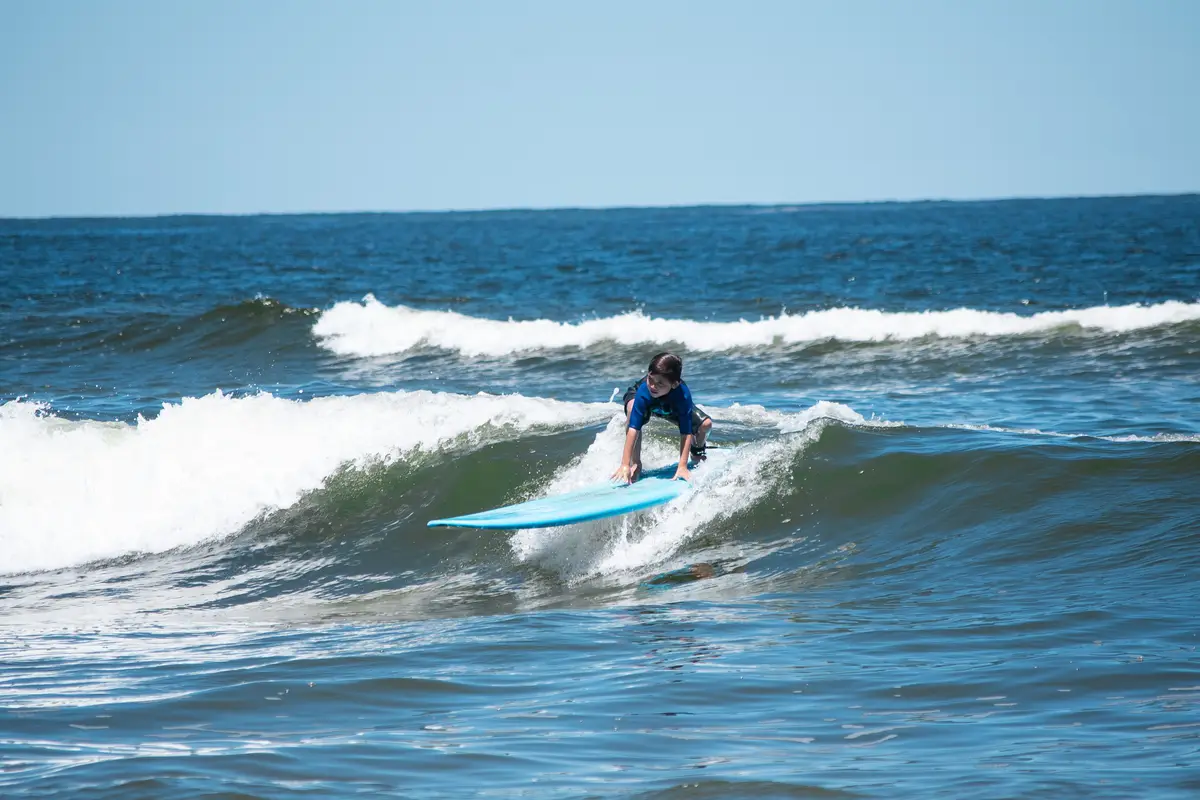
For surfing in Uruguay, choose Punta del Este for lessons and easy access, or head east to Rocha for the beaches of La Paloma, La Pedrera, Punta del Diablo and Santa Teresa. March to June is a strong window for Atlantic swell, while September to November offers another useful season. Summer brings warmer water and busier beaches. Beginners should seek small waves and local instruction; experienced surfers have more exposed breaks to explore. Kitesurfing.me lists one school teaching surfing in Uruguay: Olas del Este Escuela de Surf in Punta del Este.
Uruguay’s Atlantic coast and Río de la Plata shoreline put beach towns within reach of Montevideo, with Punta del Este and Rocha’s coastal communities among the main seaside destinations. Mild, humid conditions bring warm summers and cool winters, so travelers can plan for both beach days and cooler-water activities.
- La Paloma's cape provides beaches with different exposures within a short drive.
- Playa Montoya is about 13 km from central Punta del Este.
- La Moza is a surf beach inside Santa Teresa National Park.
- Punta del Este's monthly average sea temperature ranges from about 12°C in July to 23°C in February.
- Cabo Polonio requires a transfer across the dunes or a walk from the park entrance.
When is the best time for surfing in Uruguay?
March to June brings a useful mix of autumn swell and cooling water to Punta del Este and Rocha. Rocha's exposed Atlantic beaches can be powerful in winter, while Punta del Este offers a choice of beaches around the peninsula and La Barra. September to November brings spring sessions, and December to February favors warmer water and summer services.
| Spot | Jan | Feb | Mar | Apr | May | Jun | Jul | Aug | Sep | Oct | Nov | Dec |
|---|---|---|---|---|---|---|---|---|---|---|---|---|
| Punta del Este | ||||||||||||
| La Paloma | ||||||||||||
| La Pedrera | ||||||||||||
| Punta del Diablo | ||||||||||||
| Santa Teresa | ||||||||||||
| Cabo Polonio |
The best spots for surfing in Uruguay
| Spot | Water | Level | Best months | Why go |
|---|---|---|---|---|
| Punta del Este | About 12 to 23°C | Beginner to advanced | Mar to Jun, Sep to Nov | Punta del Este, Uruguay, is the practical lesson base among these Uruguay surfing spots. Playa Brava faces the ocean, while Playa Montoya in La Barra is about 13 km from the center. One surfing school is listed here, Olas del Este Escuela de Surf. Choose the beach with the school on the day. |
| La Paloma | Coolest in winter | Beginner to advanced | Mar to Jun, Sep to Nov | La Paloma, Uruguay, sits on a cape where La Aguada, Los Botes, La Balconada and Anaconda offer different exposures. It suits surfers who want to check several beaches as wind and swell change. Beginners should seek small conditions and local advice; experienced surfers have more exposed options. |
| La Pedrera | Coolest in winter | Intermediate to advanced | Mar to Jun, Sep to Nov | La Pedrera, Uruguay, is a small Rocha beach town with surf at Playa del Barco and El Desplayado. Its exposed beaches appeal to surfers comfortable assessing waves and currents. On larger days, beginners should look for smaller conditions elsewhere or arrange local instruction. |
| Punta del Diablo | Coolest in winter | Beginner to advanced | Mar to Jun, Sep to Nov | Punta del Diablo, Uruguay, is a Rocha fishing village and surf base with breaks at La Viuda and El Rivero. The beaches face different directions, giving visitors a choice as conditions change. It works for several ability levels, provided surfers select a beach and wave size that suit them. |
| Santa Teresa | Coolest in winter | Intermediate to advanced | Mar to Jun, Sep to Nov | Santa Teresa, Uruguay, offers surfing at Playa La Moza inside a national park north of Punta del Diablo. The beach has a rocky point and summer lifeguards. It suits surfers seeking a park setting and prepared to assess the conditions and rocks before entering. |
| Cabo Polonio | Coolest in winter | Intermediate to advanced | Mar to Jun, Sep to Oct | Cabo Polonio, Uruguay, offers a remote Rocha surf outing inside a protected area. Ordinary cars stop at the park entrance, so take the authorized dune transfer or walk in with your equipment. Its remoteness makes it better suited to self-sufficient surfers than first-time learners. |
Which Uruguay spot suits your surfing level?
Complete beginner
Start in Punta del Este with Olas del Este Escuela de Surf and ask for a lesson beach with small waves.
Improver
La Paloma offers several beaches around its cape, making it useful for finding a suitable exposure as conditions change.
Intermediate
La Pedrera and Punta del Diablo provide exposed Rocha beaches, while La Paloma offers several nearby breaks to check.
Advanced
Explore La Pedrera, La Moza and the beaches around La Paloma when Atlantic swell reaches the Rocha coast.
Getting to Uruguay and between the spots
- Getting to Uruguay
- Most international visitors arrive at Carrasco International Airport near Montevideo. From there, continue by intercity bus or rental car to the coast. Seasonal and regional flights also serve Laguna del Sauce Airport near Punta del Este.
- Airports
- MVDCarrasco International AirportFor Punta del Este, La Paloma, La Pedrera, Punta del Diablo. The country’s main airport is near Montevideo. Intercity buses and rental cars connect the airport area with coastal destinations.
- PDPCapitán de Corbeta Carlos A. Curbelo International Airport, Laguna del SauceFor Punta del Este. This airport is near Punta del Este and has regional and seasonal service.
- Between the spots
- Intercity buses run from Montevideo’s Tres Cruces terminal to Punta del Este, La Paloma and Punta del Diablo. Allow about 2 hours to Punta del Este, 3.5 to 4 hours to La Paloma, and around 5 hours to Punta del Diablo. Punta del Este to La Paloma takes roughly 1.5 to 2 hours by road, and La Paloma to Punta del Diablo about 1.5 hours. A rental car is useful for reaching beaches outside town centers.
- Entry and visa
- Many visitors can enter Uruguay visa-free for tourism, while visa requirements depend on nationality. Check Uruguay’s official visa regime before travel and confirm requirements for your passport and length of stay.
- Money and costs
- Uruguay’s currency is the Uruguayan peso (UYU). Cards are commonly used in towns, while cash is useful for smaller purchases and quieter coastal communities. Average daily spending is about US$39 for budget travel and US$92 for mid-range travel, including accommodation, food, local transport and sightseeing; summer prices can be higher.
- Climate and water
- Punta del Este’s long-term averages give a useful coastal guide: daytime highs are about 24 to 26°C in December through March and around 14 to 15°C in June through August. Average sea temperatures are about 20 to 22°C in summer, falling to around 11 to 13°C in winter. Rocha’s exposed Atlantic beaches can feel cooler in wind.
- Safety
- Use guarded swimming areas when available, follow beach flags and lifeguard directions, and take care around currents and changing surf. Uruguay’s Atlantic beaches can have powerful waves, especially outside the sheltered bays around Punta del Este.
Surfing in Uruguay: your questions
What is the most beautiful coastal area of Uruguay for surfers?
Rocha is a strong choice for scenery, with the beaches of La Paloma, the dunes of Cabo Polonio and the fishing village of Punta del Diablo. Choose La Paloma for several nearby surf beaches, Cabo Polonio for a remote outing, or Punta del Diablo for a village base near Santa Teresa.
Is it safe to visit Uruguay for a surf trip?
Uruguay is open to visitors, but travelers should take precautions against crime and assess beach conditions each day. The current US travel advisory places Uruguay at Level 2 because of crime. Keep valuables out of sight, avoid leaving equipment in parked cars, and follow lifeguard advice on Rocha beaches.
Is Uruguay or Argentina safer for travelers?
Argentina currently has a lower US travel advisory level than Uruguay: Level 1 for Argentina and Level 2 for Uruguay. Those countrywide ratings do not describe every beach or neighborhood. In Uruguay, protect valuables in Punta del Este and Rocha, and check local conditions before entering the water.
Can US citizens visit Uruguay for surfing?
US citizens can visit Uruguay without a tourist visa for stays of up to 90 days. Check passport validity and entry requirements before departure, including requirements for any country on your route. Travelers with other passports should check Uruguay's rules for their own nationality before booking.
When is the best time for surfing in Uruguay?
March to June is a strong time for a Uruguay surf trip, with autumn swell reaching Punta del Este and Rocha. September to November is another useful window. December to February brings warmer water and busier coastal towns, while winter sessions require thicker wetsuits and careful beach selection.
Which Uruguay surfing spots are best for beginners?
Punta del Este is the most practical starting point for a beginner lesson among the spots listed here. Kitesurfing.me lists one surfing school in Punta del Este, Olas del Este Escuela de Surf. Ask the school to select a beach for the day's conditions and start in small waves.
Where should I surf in Uruguay in January?
In January, base yourself in Punta del Este for lessons and services, or choose La Paloma or Punta del Diablo for a Rocha beach town. Punta del Este's sea averages about 22°C in January. Book accommodation and lessons early for the busy southern summer holiday period.
How do I get between Uruguay's surf towns with a board?
Buses connect Montevideo with Punta del Este, La Paloma and Punta del Diablo, while a rental car makes it easier to check beaches between towns. Allow roughly two hours by bus from Montevideo to Punta del Este and longer for Rocha. Ask the bus operator about board space and charges before buying a ticket.
How much does a surf trip to Uruguay cost?
Your Uruguay surf budget depends on accommodation, transport and lesson prices, with summer beach towns generally costing more. For a concrete extra expense, the Cabo Polonio dune transfer is listed at 470 Uruguayan pesos return per person, plus 100 pesos return for a surfboard. Check current fares and lesson prices before booking.
What water temperatures and wetsuits should I expect in Uruguay?
Near Punta del Este, monthly average sea temperatures are about 22°C in January, 23°C in February, 20°C in April, 13°C in June and 12°C in July. They rise to about 15°C in October and 18°C in November. Pack a spring suit for summer and a thicker full suit, with booties, for winter.
What surf safety rules should I follow in Uruguay?
At Uruguay's surf beaches, assess currents, waves and rocks before entering, and follow lifeguards' instructions and beach flags. A red flag indicates dangerous water conditions. La Moza has a rocky point and summer lifeguards; at remote Cabo Polonio, plan transport and avoid surfing alone.
Sources for this guide: Rocha tourism: surfing beaches around La Paloma, Rocha tourism: La Moza beach, Rocha tourism: Cabo Polonio access and fares, Punta del Este monthly sea temperature averages, Uruguay surf destinations and seasons, Playa Montoya location, US travel advisory and entry information for Uruguay, US travel advisory for Argentina, Uruguay water safety and beach flags, Uruguay Ministry of Interior, visa regime, National Air Police, Uruguay airports, World Meteorological Organization, Punta del Este climate, Weather2Travel, Punta del Este climate, Budget Your Trip, Uruguay travel costs · Last checked November 2026.