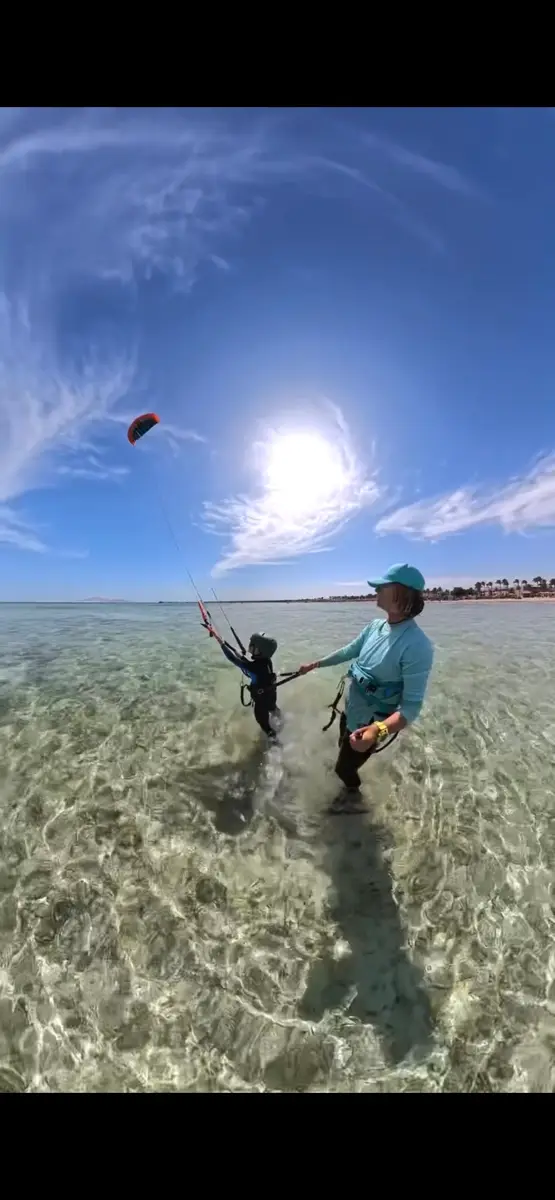
Best Time to Kitesurf in Sharm El Sheikh: Month Guide
Find the best time to kitesurf in Sharm El Sheikh, with Nabq Bay wind seasons, monthly wind and water figures, beginner advice and what to pack.
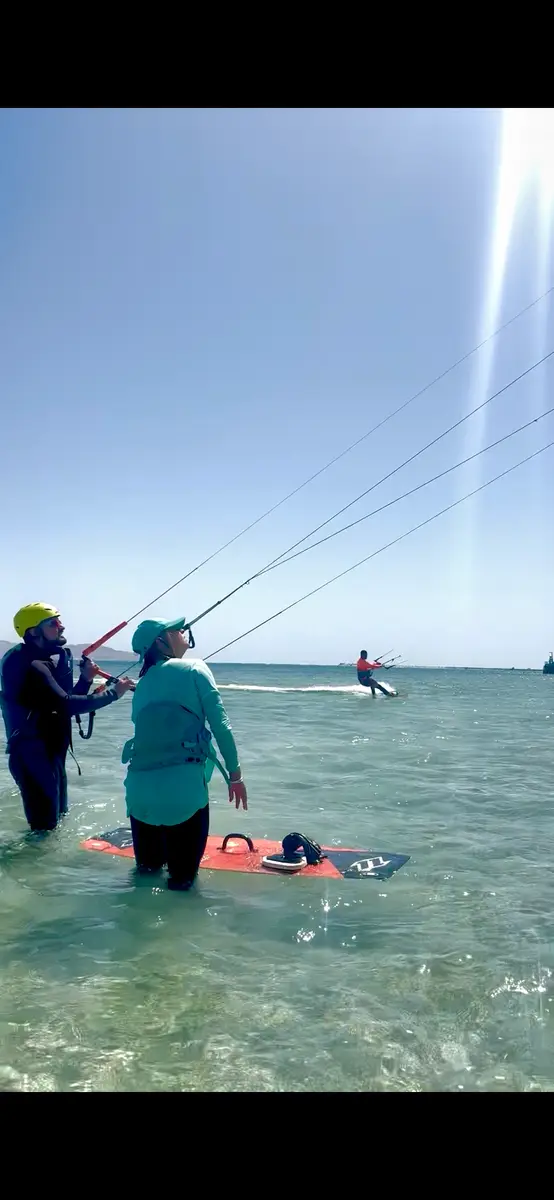
The best time to kitesurf in Sharm El Sheikh depends on what matters most to you: frequent wind, warm water or milder air. At Nabq Bay, the main season is described as April to September, though March to May and September to November are also popular windows. Typical wind reaches 12 to 25 knots, and the shallow lagoon suits beginners and riders building their skills.
When is the wind season in Sharm El Sheikh?
April through September is the most consistent season at Nabq Bay. North or northeast thermal wind is common, often strongest between 7:00 and 9:00 in the morning. Summer is also a strong period, and morning sessions tend to offer the best chance of catching the day’s wind. Plan around an early start when your schedule allows.
The suggested season depends on the guide and the period it covers. One window is March to May and September to November, with wind sometimes strongest from October to April. Another three-year summary points to April to June and August to September. Use these periods to choose dates, while keeping in mind that averages cannot promise wind on a particular day.
Nabq Bay lies north of Sharm’s central resort areas, where the wind is stronger than around Naama Bay or Ras Um Sid. Ask KiteLuna about lesson timing and launch arrangements once the school confirms your request. Morning is a sensible time to plan a session, especially if you can arrange the rest of your day around it.
What is Sharm El Sheikh like month by month?
The monthly figures below show the number of days with wind above 12 knots, alongside average sea temperatures and available crowd notes. The wind counts are for Sharm El Sheikh as a whole. Crowd descriptions are included only for months with a specific note, so blank information should not be read as a quiet period.
The strongest stretch in these monthly figures runs from April to October, with the highest count in June. February and March also show useful counts, while December and January are lower. These numbers can help narrow down a travel window, but they do not tell you exactly what the wind will do at the Nabq lagoon on your chosen day.
The water temperatures are monthly offshore averages for Sharm El Sheikh, and the Nabq lagoon may feel different. Seasonal advice for Nabq spans April to September for the main peak, with March to May and September to November also suggested as good months. Use the table for broad planning, then check local conditions before a session.
| Month | Wind | Water temperature | Crowds |
|---|---|---|---|
| January | 12 days above 12 kt | 23.1°C | Few crowds |
| February | 18 days above 12 kt | 22.4°C | No data |
| March | 20 days above 12 kt | 22.3°C | Easter rush |
| April | 22 days above 12 kt | 23.1°C | No data |
| May | 25 days above 12 kt | 24.7°C | No data |
| June | 28 days above 12 kt | 25.9°C | No data |
| July | 25 days above 12 kt | 27.7°C | Busy boats |
| August | 23 days above 12 kt | 28.5°C | Peak European holidays |
| September | 26 days above 12 kt | 27.6°C | Popular month |
| October | 23 days above 12 kt | 27.4°C | School holiday weeks busy |
| November | 15 days above 12 kt | 26.2°C | No data |
| December | 11 days above 12 kt | 24.5°C | Christmas weeks busy |
For more details about the area, see the Sharm El Sheikh spot guide and the wider Egypt kitesurfing guide.
Which months are best for beginners in Sharm El Sheikh?
April, May and September are useful months to consider for beginner lessons at Nabq Bay. They fall within the main April to September season, and are also included in the March to May and September to November window. The lagoon’s shallow water gives supervised learners room to practise kite control and water starts.
June through August are also within the main season, with 28 days above 12 knots in June, 25 in July and 23 in August. Summer means hotter air and warmer water. Average highs reach 38°C in July and August, so book around the heat and bring sun protection for time on and off the water.
March and October suit travelers who prefer the shoulder seasons. Both fall within a suggested March to May and September to November window. Sea temperatures average 22.3°C in March and 27.4°C in October, which also has 23 days above 12 knots. For beginners, safe instruction and the day’s wind direction matter more than a monthly average.
At Nabq, wind is generally north to northeast, though its angle changes along the shoreline. It can come across or partly across the beach, so local advice matters around the reef. KiteLuna teaches private lessons at the lagoon, with one instructor per student and a rescue boat on standby. See the KiteLuna profile for lesson details.
How warm is the water and what should you wear?
Monthly offshore sea averages in Sharm El Sheikh range from 22.3°C in March to 28.5°C in August. At summer temperatures, many riders choose swimwear or a rash guard for sun protection. In cooler months, a shorty or longer suit can make time in the water more comfortable, especially during an extended session.
The biggest change is between winter and summer. Sea averages are 23.1°C in January, 22.4°C in February and 22.3°C in March, rising to 25.9°C in June and 28.5°C in August. A shorty is a useful spring or autumn option; in summer, shorts may be enough, while a longer wetsuit can suit winter sessions.
Pack a rash guard, hat and sunscreen for Nabq Bay’s exposed lagoon, plus a light layer for the journey back after a winter session. KiteLuna includes equipment in its one-hour private lesson. Ask the school what exposure protection it supplies and what you should bring. Offshore averages describe Sharm’s sea, not a guaranteed lagoon temperature.
What can you do on a day without wind?
A no-wind day in Sharm El Sheikh still leaves plenty to do on the Red Sea. The city is known for diving and snorkeling, and Ras Mohammed National Park draws visitors for its reefs and marine life. Choose a licensed boat trip or a shore outing, then save the Nabq lagoon for another session.
Naama Bay and Ras Um Sid usually have weaker wind than Nabq, so a calm day is a good chance to explore another bay or book a dive. Some Nabq beaches are managed by hotels, so check access before planning an independent launch. A short journey can turn a windless morning into a day spent somewhere new.
For an easy day plan, arrange transport from Nabq Bay into Naama Bay for restaurants and an evening walk, or spend the day snorkeling. Sharm El Sheikh’s summer heat makes shade and drinking water useful on land as well as at the beach. Keep your lesson request flexible until the school confirms its timing.
Travelers planning an Egypt itinerary can also read about kitesurfing in Dahab or kitesurfing in Hurghada. Each destination has its own launch arrangements and wind pattern. Ask local operators about the exact spot and access before committing to a session, especially if you plan to travel between areas.
How do you book a lesson in Sharm El Sheikh?
Choose a date for Sharm El Sheikh and send a booking request through kitesurfing.me. KiteLuna will confirm the request, and you pay the school on arrival by card or cash. The school is open daily from 7:30 to 18:00 and teaches at the Nabq Bay lagoon by Regency Plaza Aqua Park & Spa.
KiteLuna’s one-hour Private Kitesurfing Lesson costs €50 and includes an IKO instructor, equipment and a rescue boat. Lessons are private, with one instructor for each student. The school also lists a six-hour Level Up Kitesurfing Course for €270, intended for riders who can already ride.
April to September is the main season, so request your preferred date early and wait for KiteLuna to confirm before building plans around the lesson. The KiteLuna profile has the bookable options. For trip planning, start with the Sharm El Sheikh spot guide, then confirm the meeting point and beach access with the school.
Is Sharm El Sheikh windy all year?
Nabq Bay is generally reliable from February through November, with the most consistent stretch from April to September. Another suggested window is March to May and September to November, and wind can be strongest from October to April. January and December have fewer days above 12 knots in the monthly figures.
What wind direction should I expect at Nabq Bay?
The usual wind around Nabq is north to northeast, often strongest in the morning. It can blow across or partly across the beach, and its angle varies along the shoreline. Follow the launch advice for the exact section of lagoon where you will ride, especially near the reef.
Can I kite in Sharm El Sheikh in winter?
Yes. March and November are included among Nabq’s preferred months, and wind can be strongest from October to April. Winter water is cooler, averaging 23.1°C in January and 22.4°C in February. Pack a shorty or longer suit if you expect to spend extended time in the water.
Does the Nabq lagoon have waves?
Nabq has shallow, flat and choppy water, with small to medium waves farther upwind and a deeper patch in the lagoon. The main lagoon is shallow and flat, sheltered by the outer reef. Follow local instructions around coral and reef areas, and check conditions before heading out.
How do I arrange a KiteLuna lesson?
Send a booking request on kitesurfing.me and wait for KiteLuna to confirm it. You pay the school when you arrive, by card or cash. KiteLuna teaches at the Nabq Bay lagoon by Regency Plaza Aqua Park & Spa, and its daily opening hours are 7:30 to 18:00.