Best Time to Surf in Lobitos: A Month-by-Month Guide
The best time to surf in Lobitos depends on your level: April to September brings larger swell, while December to March generally has smaller waves.
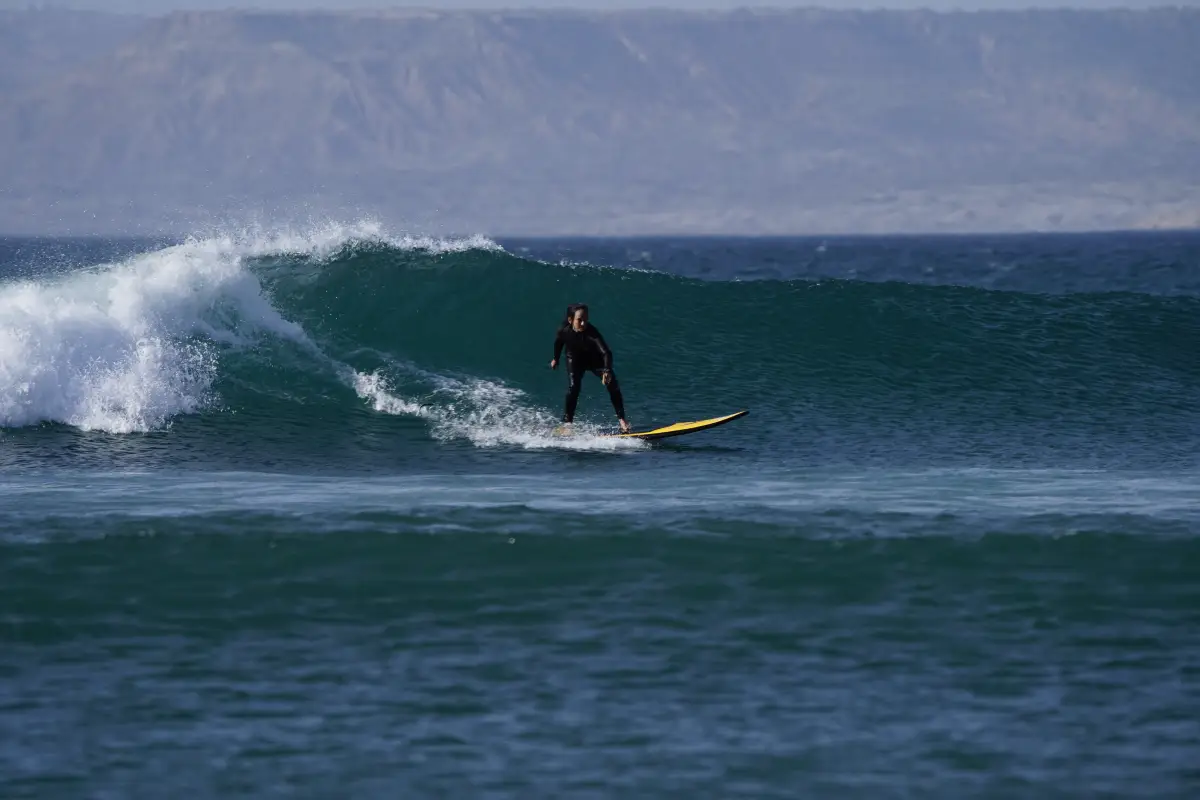
The best time to surf in Lobitos, Peru, is roughly April to September if you want larger, more consistent swell. December to March generally brings smaller waves and warmer water, which can suit a first lesson. Conditions still change from day to day, so choose your dates for the season and check the forecast before each session.
When is the best time to surf in Lobitos?
April to September is the main window for larger south to southwest swell at Lobitos. Those months suit surfers who want more power at the left-hand points. December to March generally brings smaller surf, though a smaller season can still produce strong days. Give yourself several days if you can, since no month guarantees a particular wave.
La Punta is the main point in front of town. Baterías and El Hueco sit farther along the headland and can reward experienced surfers when there is enough swell. Check the Lobitos surf spot guide for an introduction to the breaks before choosing where to paddle out. A wave that looks inviting from shore may feel different once you reach the lineup.
March deserves a closer look if your dates are flexible. A historical model classified 41% of modeled time as clean and surfable, 55% as wind-affected and 4% as too small. Those figures describe time in the model, not the percentage of days you can surf. The model uses an offshore grid point, so local conditions can differ.
What is Lobitos like month by month?
Lobitos has surf through the year, with April to September generally favored for larger swell. The table gives each month a separate row to help you plan. Most descriptions are seasonal guidance, not exact monthly measurements or forecasts. March has modeled percentages, while the February and September water ranges describe historical extremes around particular dates.
| Month | Seasonal surf and water guidance | Who it may suit |
|---|---|---|
| January | Summer guidance: generally smaller swell and warmer water | Beginners and improvers, subject to conditions |
| February | Summer guidance: generally smaller swell; historical open-water extremes around late February were about 23 to 29°C | Beginners and improvers who prefer warmer water |
| March | Historical model: 41% of time clean and surfable, 55% wind-affected, 4% too small | Surfers seeking a smaller-season trip, with daily checks |
| April | Start of the generally stronger south-swell window | Intermediate surfers and experienced surfers seeking more size |
| May | Winter-season guidance: larger, more consistent swell is more likely | Intermediate and advanced surfers |
| June | Winter-season guidance: part of the stronger swell window | Surfers comfortable with more powerful waves |
| July | Winter-season guidance: part of the stronger swell window | Intermediate and advanced surfers |
| August | Winter-season guidance: part of the stronger swell window | Surfers looking for size at the point breaks |
| September | End of the main larger-swell window; historical open-water extremes around early September were about 17 to 23°C | Surfers prepared for cooler water and changing swell |
| October | Spring shoulder guidance: conditions vary as the main winter window ends | Surfers with flexible plans |
| November | Spring shoulder guidance: check the current swell and wind | Surfers with flexible plans |
| December | Summer guidance: generally smaller swell and warmer water | Beginners and improvers, subject to conditions |
Read the rows as a starting point for choosing leave, not as a promise for your trip. A December swell can be too strong for a first lesson, and a July visit can include smaller days. If your dates are fixed, plan around your ability and leave room to change beaches or sit out a session.
Lobitos weather and surf forecast
Lobitos weather and surf conditions change within each season. Historical seasons help you choose travel dates. For your session, check the current swell height and direction, wind, tide and local conditions; a seasonal average cannot predict a particular day. Allow at least a few days if surfing is the main reason for your trip.
A Lobitos surf forecast is most useful when you read the swell and wind together. A promising swell can arrive with wind that makes the surface harder to surf. Check the tide as well, then watch the water from shore and ask someone familiar with the break about the entry and current conditions.
For packing, treat the September and February water ranges as historical extremes around those dates, rather than a daily weather report. Wind and sunshine can change how warm a session feels. Bring sun protection and a layer for time on the beach, and check the short-range weather forecast before you leave.
Do you need a wetsuit, and how warm is the water?
Historical open-water readings ranged from about 17 to 23°C around early September and 23 to 29°C around late February. Nearshore water at Lobitos can differ. A 3/2 mm suit helps in cooler conditions; lighter protection may suit warm days. Wind, sunshine and the length of your session also affect what feels comfortable.
The ranges above come from satellite-derived historical data and describe extremes around dates, not the temperature you should expect every day. Check a current reading before packing if you have room for only one suit. A rash vest can provide sun protection on a warm day, while a full suit gives you more coverage when the water feels cool.
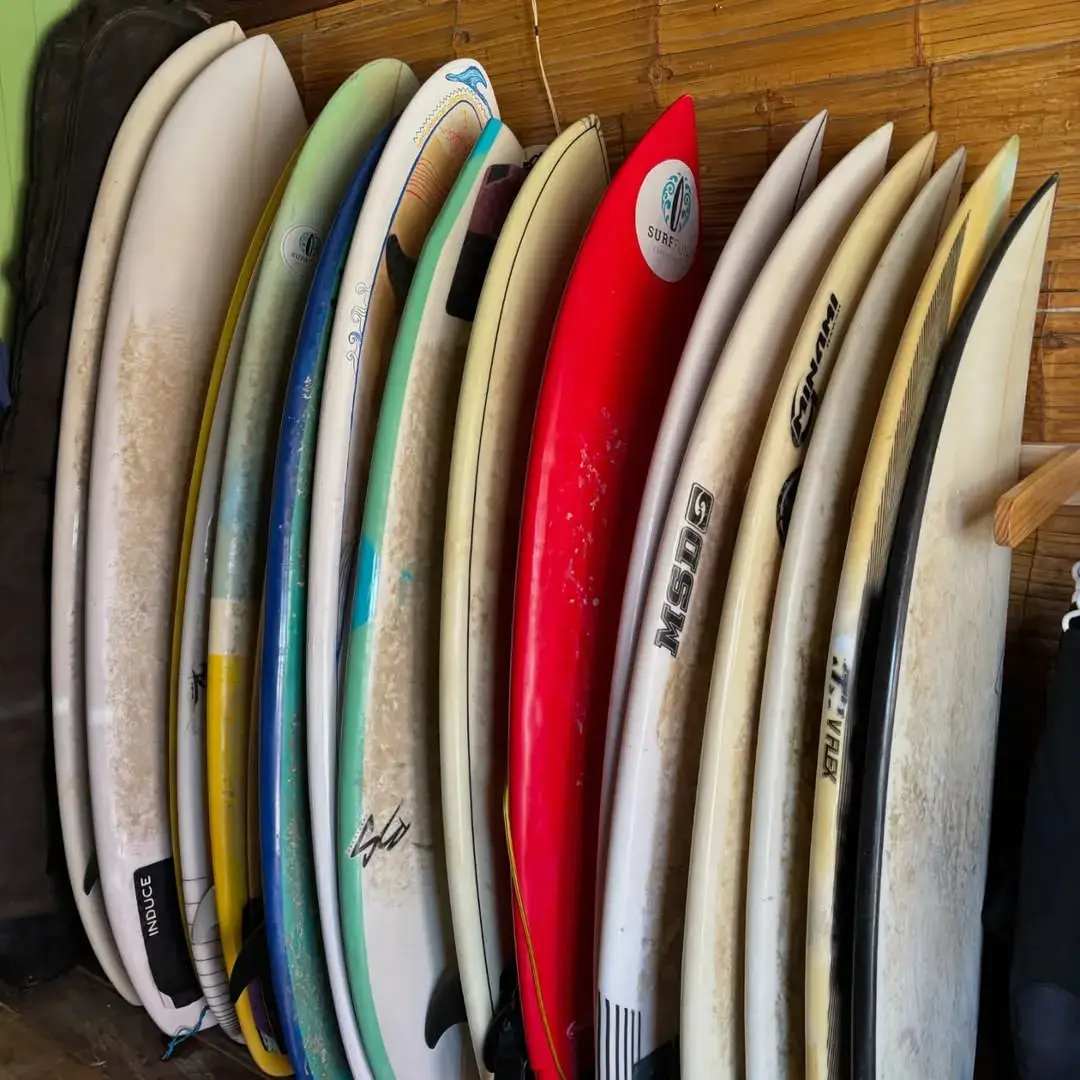
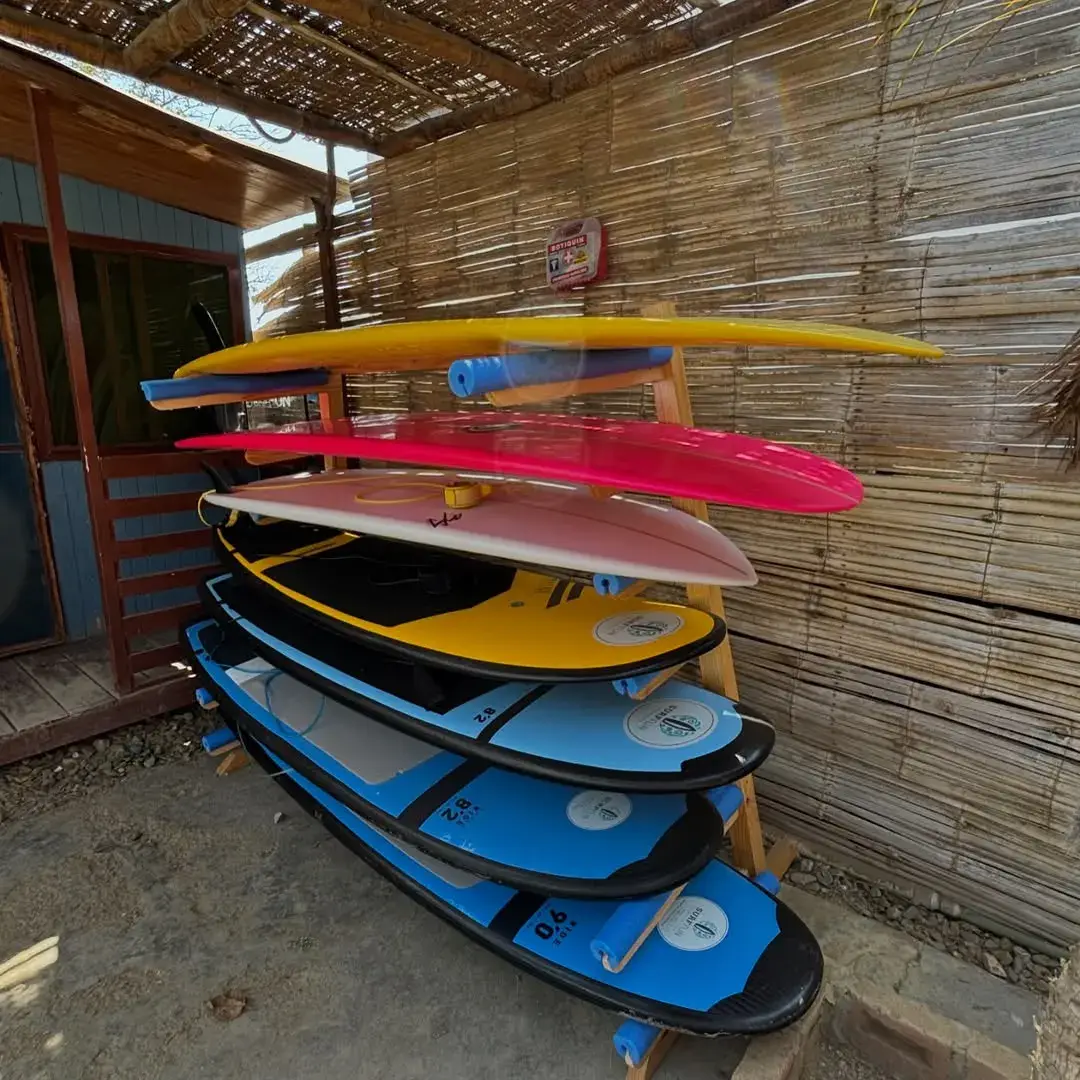
Pack a hat and sunscreen for time between sessions. If you book the listed private lesson, the price includes a wetsuit as well as a board. Ask the school what sizes it has before you travel, especially if you would rather leave your own equipment at home.
How crowded is Lobitos, and what are the local rules?
Crowds at Lobitos vary with the day and conditions, so there is no reliable quietest month to book. La Punta is the main wave in front of town. Baterías is about a 20 to 30 minute walk south around the headland, and El Hueco is another option for experienced surfers when conditions suit them.
Wait your turn, avoid dropping in on another surfer and ask locally about entry points. Lobitos, Baterías and Piscinas are protected surf breaks. Give other surfers room and watch the lineup before paddling out. If you are unsure where to sit or whether a wave is within your ability, ask a local surfer or instructor.
Crowds and lesson availability vary. Ask the school about your dates and check flights before booking. You can review the listed surf school in Lobitos before sending a request. An early check gives you time to adjust your dates if your preferred lesson slot is unavailable.
Which months and breaks suit your level?
For a first surf trip to Lobitos, December to March generally brings smaller waves and warmer water. La Punta is the main point near town, but its suitability still depends on the day. Ask an instructor to assess the surf before you enter. April to September generally brings more size for confident surfers.
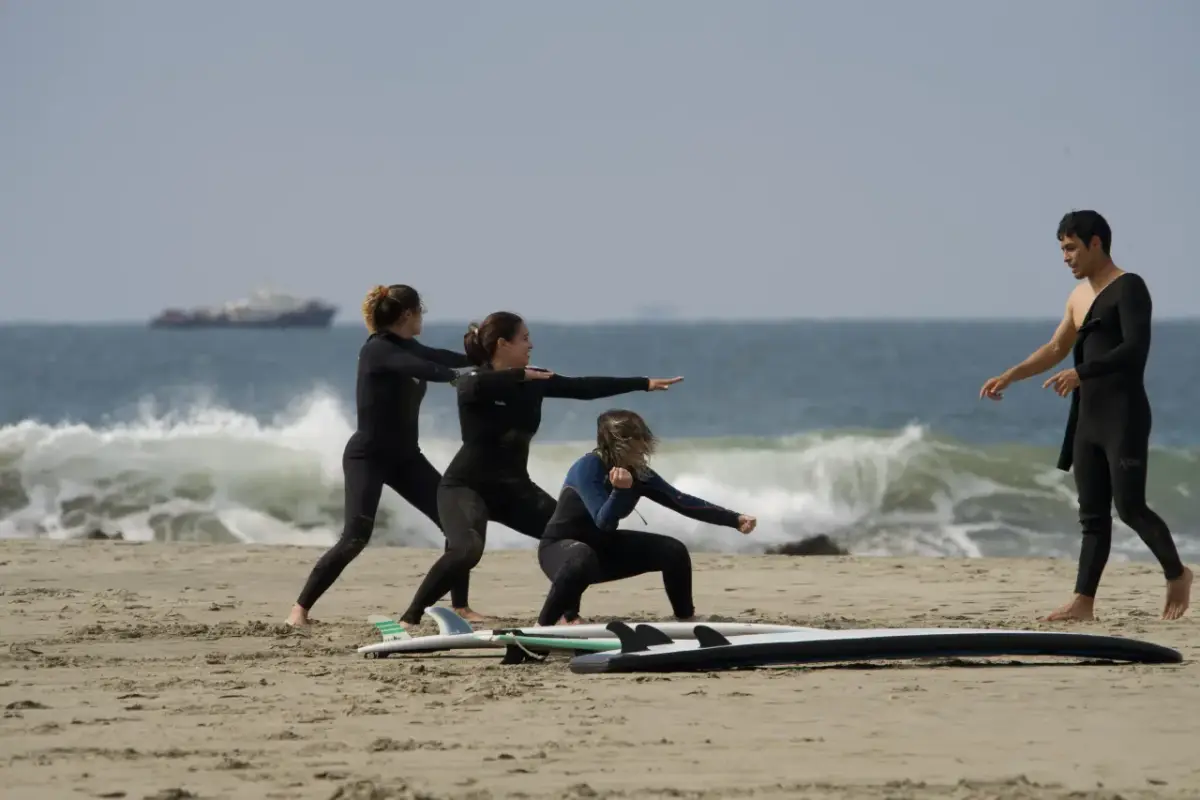
Beginners should tell the school about any previous lessons and how comfortable they feel in the water. That helps the instructor choose a suitable session rather than relying on the month alone. The guide to learning in Lobitos covers lessons in more detail, including what to ask before you book.
Intermediate and advanced surfers can look toward Baterías and El Hueco when the swell has enough size. These waves can be powerful, and a shallow reef calls for care. Watch a few sets and ask about the entry before committing. For a wider trip, the Peru surfing guide can help you consider other stops along the coast.
What should you do on a flat or small-swell day?
On a small day in Lobitos, ask the school whether conditions are suitable for a lesson. If there are no rideable waves, explore town or plan another activity. Máncora is about 1.2 hours up the coast, while Piura city is roughly two hours inland, making either a possible change of scene.
Lobitos was a British oil settlement, and Victorian-era buildings and old oil derricks remain near the headland. Take a walk around town when you want a break from the beach. Máncora has beaches and a livelier town, while Piura is known for ceviche. Check transport arrangements before setting out for either place.
A small forecast can also give you time to prepare for the next session. Check the wind and swell again later, and ask the school whether another time would work. If you want to explore the sport beyond this trip, the surfing lesson pages offer a starting point.
How do you get to Lobitos with a surfboard?
The usual air route to Lobitos is via Talara airport, with a flight from Lima taking roughly 1.5 to 2 hours. Allow around 30 minutes from Talara, depending on pickup and traffic. Check airline surfboard baggage rules and arrange a vehicle with room for your board before you travel.
You can take a taxi or ask about a shared colectivo for the trip from Talara. Tell the driver or transfer provider about your board when you arrange pickup. A board bag takes up space, and a vehicle that fits passengers may not have room for your equipment as well.
If you plan to take a lesson, consider using the included board and wetsuit instead of flying with your own gear. Check availability and sizes with the school first. The Lobitos location guide provides more context for planning your stay once you have settled on your travel dates.
How do you book a lesson across the season?
Lobitos has one school listed on kitesurfing.me. Its Private Surf Lesson is listed at 90 PEN for 1.3 hours, with a surfboard and wetsuit included. Ask about your dates and ability before making travel plans around a session. Conditions and lesson availability can change in any month.
Send a request with your preferred dates and relevant experience. The school confirms the booking, and you pay at the school. If your dates are fixed, ask what happens when conditions are unsuitable and whether another session time is available. Check the current surf lesson listing for the offer before requesting.
The listed price gives a useful starting point for a lesson budget. Confirm the total and equipment sizes with the school, especially if you are booking for more than one person. The Lobitos beginner lesson guide explains what to consider when choosing a course.
What is the best month to surf in Lobitos?
For larger swell at Lobitos, plan around April to September and allow several days for conditions to change. December to March generally brings smaller waves and warmer water. March's historical model classified 41% of time as clean and surfable, but that figure does not predict your particular travel dates.
Is Lobitos surfable all year?
Lobitos can receive surf throughout the year, but no month guarantees rideable waves every day. April to September is generally the stronger swell window; December to March tends to be smaller. Check the current swell, wind and tide, then watch the break or ask locally before entering the water.
How warm is the water in Lobitos?
Historical open-water readings near Lobitos ranged from about 17 to 23°C around early September and 23 to 29°C around late February. These are historical extremes around dates, not typical daily temperatures. Nearshore water can differ. A 3/2 mm suit helps in cooler conditions, while lighter protection may suit warm days.
When is Lobitos least crowded?
There is no reliable quietest month for Lobitos. Crowds vary with the day and surf conditions, and La Punta is the main break in front of town. Baterías is about a 20 to 30 minute walk south, but it may suit more experienced surfers when the swell is strong.
How do beginners book a surf lesson in Lobitos?
Beginners can request the listed 90 PEN private lesson in Lobitos for their preferred dates. The guest sends a request on kitesurfing.me, the school confirms, and the guest pays at the school. The listed 1.3-hour lesson includes a surfboard and wetsuit. Ask whether conditions suit your level.