Best Time to Surf in Tamarindo: A Monthly Guide
Find the best time to surf in Tamarindo with 12 months of water temperatures, seasonal weather, lesson prices and tips for choosing a beach.
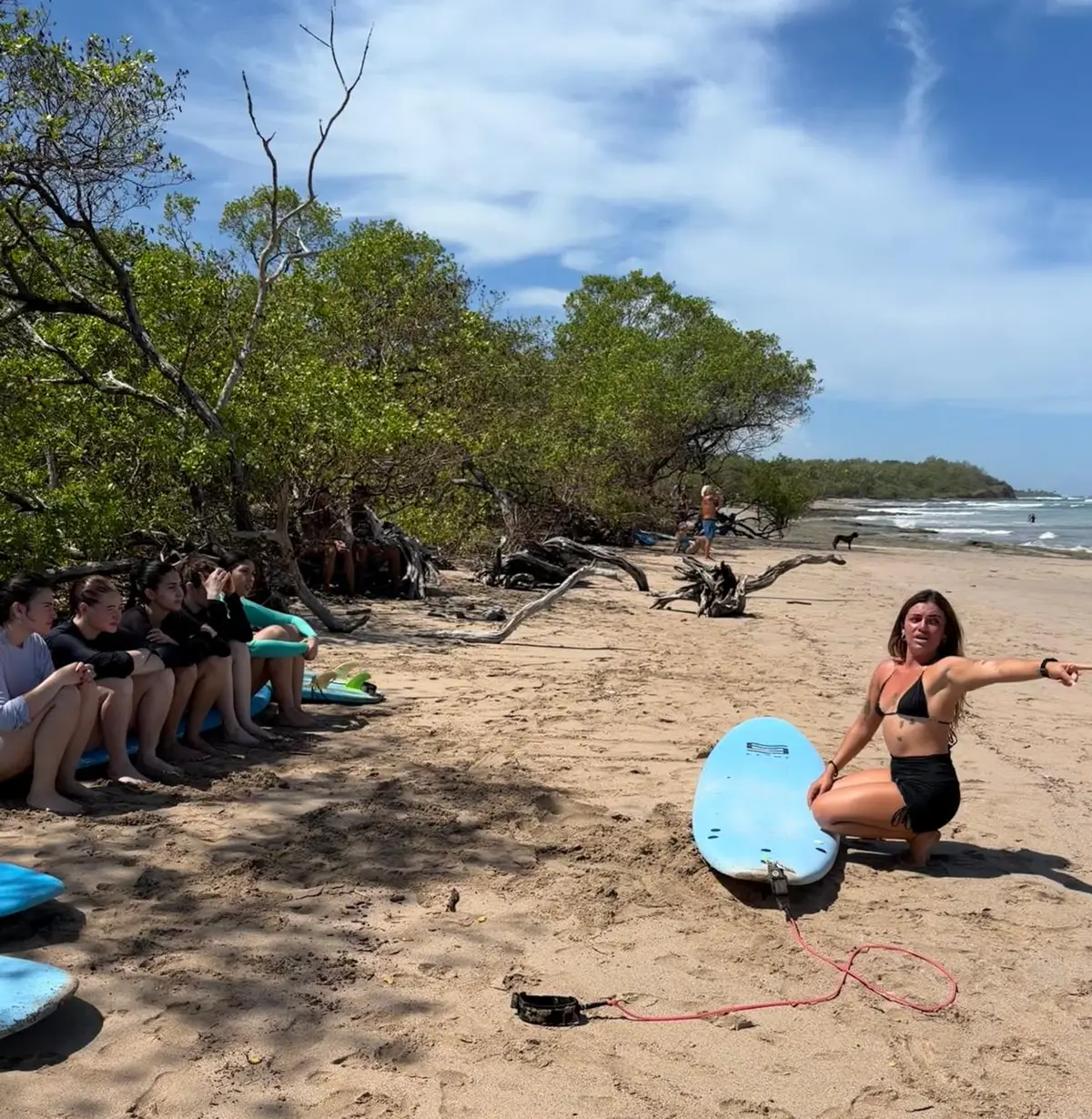
The best time to surf in Tamarindo, Costa Rica, depends on your experience and your tolerance for rain. For larger Pacific swell, May to October is a useful window; for drier weather and generally smaller swell, consider December to April. Either season can bring days that suit beginners or challenge experienced surfers.
Key takeaways: Choose December to April for drier weather and generally smaller swell. Consider May to October for larger Pacific swell. Beginners can start on central Playa Tamarindo with an instructor. Check the forecast and the beach before every session.
When is the best time to surf in Tamarindo?
Tamarindo has surf throughout the year, so the right season depends on what you want to ride. May to October is a useful window for larger Pacific swell. December to April generally brings smaller swell and drier weather, which can make planning a first trip more comfortable.
The Pacific dry season runs from December to March, with April a transition month. Rainy season runs from May to October, followed by another transition in November. July and August often see a relative dip in rain. September and October are among the wettest months, with rain often arriving later in the day.
A season is a starting point, not a promise of good waves. Swell direction, wind and tide all affect a session, and a larger swell can make a beach less suitable for a learner. Give yourself several days if your dates allow, then choose each session after checking conditions.
Tamarindo receives Pacific groundswells, and an east wind blows offshore at the main break. South and southwest swells also reach the surrounding coast. The Tamarindo surf spot guide describes local breaks and hazards. For a wider trip, the Costa Rica surf guide covers destinations beyond town.
What are Tamarindo weather and water like month by month?
Tamarindo weather follows a drier Pacific season and a wetter one, while the sea stays warm all year. Historical monthly water averages range from 27.5°C in January to 29°C in May. The table helps with packing and trip timing; it cannot predict waves or the weather on your dates.
These water figures describe nearby offshore sea surface temperatures over several years. The water at the beach may feel different, and an average is not a forecast. The figures also say nothing about breaking-wave height. Check a current forecast and ask someone at the beach about conditions before entering.
| Month | Average Tamarindo water temperature | Seasonal planning note |
|---|---|---|
| January | 27.5°C | Dry season |
| February | 27.6°C | Dry season |
| March | 27.9°C | Dry season |
| April | 28.6°C | Transition toward rainy season |
| May | 29.0°C | Rainy season begins |
| June | 28.8°C | Rainy season |
| July | 28.7°C | Relative midyear dip in rainfall |
| August | 28.8°C | Relative midyear dip in rainfall |
| September | 28.7°C | Among the wetter months |
| October | 28.5°C | Among the wetter months |
| November | 28.2°C | Transition toward dry season |
| December | 27.8°C | Dry season begins |
July and August offer a chance to visit during the swell season with a relative break in rainfall, although individual days can still be wet. November sits between the rainy and dry seasons. Holiday periods can affect lesson and accommodation availability, so ask about your dates before fixing the rest of your trip.
If dry beach time matters most, start with January through March. If you want to look for more swell, allow flexibility between May and October. Neither choice guarantees a particular wave size. A sheltered patch of beach and an appropriate lesson can matter more than the month on the calendar.
Which months are best for beginners in Tamarindo?
December to April is a practical window for beginners in Tamarindo because the weather is generally drier and swell is often smaller. Central Playa Tamarindo has a sandy bottom and often gentle waves. Conditions still change, so ask an instructor to choose a suitable section on the day.
Start away from the northern estuary and look for manageable whitewater. Mid to high tide is often favoured at the main beach, but tide alone does not make a session safe. Watch several sets from shore and notice where people paddle out. If the waves or currents look beyond your ability, wait or choose another activity.
You can take a first lesson in the wetter months too. Mar y Sol Adventure Tamarindo lists group and private lessons at 60 and 90 USD. Ocean Side lists group, semi-private and private lessons at 70, 80 and 100 USD. Sloth Flow Surf School lists group, intermediate, semi-private and private options at 70, 70, 80 and 100 USD.
As your paddling and wave selection improve, look at other breaks around Tamarindo. Pico Pequeño is a rocky right suited to intermediate surfers. Playa Grande, across the estuary, is more exposed to swell and suits confident surfers. Playa Langosta has rocks and currents near its river mouth, so inspect the entry and exit before paddling.
Do not pick a break on skill labels alone. A beach that looks manageable on a small day can feel quite different when the swell builds. Ask about the tide, rocks and currents, and be honest about whether you can paddle back to shore without help. An instructor can help you judge the session.
How warm is Tamarindo water and what should you wear?
Tamarindo water temperature averages 27.5°C in January and 29°C in May in the historical offshore record. The sea stays warm throughout the year, so a rashguard is a useful choice for sun protection during a lesson. Bring sunscreen and drinking water for your time on the beach.
The monthly averages describe nearby open water rather than a reading at the surf break. Wind, rain and time spent sitting between waves can affect how comfortable you feel. Pick clothing for your own session and ask the school what it provides. Check what you should bring when you book.
Tamarindo weather also affects what goes into your bag. Pack a light rain layer for the May to October rainy season, especially for the trip back from the beach. During December to April, plan for sun on the sand as well as in the water. A dry change of clothes is useful in either season.
What can you do on a flat day in Tamarindo?
On a flat day in Tamarindo, walk the main beach or take an estuary tour. Playa Grande lies across the estuary, while Playa Avellanas is about 40 minutes away by car. Check conditions before making a surf trip: a different beach may receive more swell, but it may also be less suitable for your level.
Las Baulas Marine National Park protects the Tamarindo estuary and beaches around Playa Grande. A daytime tour offers a way to see the mangroves from a boat. To reach Grande, take a water taxi or use the road, and tell the boat operator if you have a board. Crocodiles live in the estuary, so do not swim or paddle across it.
Playa Avellanas has sandy and rocky sections with different peaks for progressing and experienced surfers. Playa Negra is about an hour from Tamarindo by car and has a fast right over reef. Travel times vary with road conditions. At either beach, watch the waves and identify hazards before deciding whether to enter.
Las Baulas is also a leatherback nesting area. The recommended period for observing nesting is October 20 to February 15. Follow park staff instructions and beach access restrictions. Back in town, the Tamarindo surf hostel guide covers places to base a longer stay.
If you have more time in Costa Rica, look at the breaks and travel needs elsewhere before changing your base. The guides to Jacó surf conditions and Santa Teresa surf spots can help you plan a longer route. Leave room in that plan for changing weather and a rest day.
How do you book a surf lesson in Tamarindo?
To book a Tamarindo lesson, send a request through kitesurfing.me and wait for the school to confirm. You then pay at the school. Share your experience and preferred date when making your request, and check availability before making the rest of your plans around the lesson.
Mar y Sol Adventure Tamarindo lists group and private lessons at 60 and 90 USD. Ocean Side lists group, semi-private and private lessons at 70, 80 and 100 USD. Sloth Flow Surf School lists group, intermediate, semi-private and private options at 70, 70, 80 and 100 USD. Check each listing for lesson length and inclusions.
The three schools listed here give travellers a starting point for finding instruction in Tamarindo. When you request a lesson, share your experience and ask about the meeting point and suitable conditions. If you want to bring your own board, ask whether you can use it during the lesson and how to get it to the beach.
From Guanacaste Airport near Liberia, allow roughly 1 hour 15 minutes to 2 hours by road to Tamarindo. Tell your transfer operator the length of your board when arranging transport and ask whether it fits in the vehicle. Travel time can change with traffic and road conditions, so leave extra time for a flight.
On Playa Tamarindo, give the surfer already riding a wave room and keep control of your board. Look toward the shore before taking off and leave space for swimmers. Avoid paddling through someone else's path. If you are unsure where to sit or enter, ask your instructor before joining the lineup.
A lesson can also help you read the beach for later sessions. Ask your instructor where the current is moving, which direction to paddle and where to come in. The surfing guides introduce more destinations, while the Costa Rica surfing overview can help with the rest of your trip.
When can you surf in Costa Rica from a Tamarindo base?
You can surf around Tamarindo throughout the year. May to October is a useful window for larger Pacific swell, while December to April generally brings smaller swell and drier weather. Check the daily conditions before choosing a beach, since a seasonal pattern cannot tell you what the waves will do on your dates.
How should you use a Tamarindo surf forecast?
Use a Tamarindo surf forecast to check expected swell, wind and tide close to your session, then watch the beach before entering. East wind is offshore at the main break, and mid to high tide is often favoured. Forecast wave height offshore can differ from the breaking waves you see at the beach.
Which Tamarindo beach suits your surfing level?
Central Playa Tamarindo is a practical first choice for beginners because it has a sandy bottom and often gentle waves. Pico Pequeño has rocks and suits intermediate surfers. Playa Grande and Langosta can be more demanding. The Tamarindo beach guide explains access and hazards in more detail.
Is Tamarindo one of Costa Rica's best surf towns?
Tamarindo is a strong choice in Costa Rica for a surf trip, especially if you want a walkable town and a sandy main beach. Nearby Playa Grande and Langosta add more demanding waves. The best town for you depends on your experience, the conditions during your stay and the kind of break you want.
How do you reach Tamarindo with a surfboard?
From Guanacaste Airport near Liberia, allow roughly 1 hour 15 minutes to 2 hours by road to Tamarindo. Give your transfer operator your board's length and ask whether the vehicle can carry it. If you travel without a board, check what equipment your chosen lesson includes when you book.