Tamarindo Foil Travel Gear: A 6-Step Flight Guide
Tamarindo foil travel gear needs a padded bag and a ride with room for it. Use six packing and transport steps to prepare your Costa Rica trip.
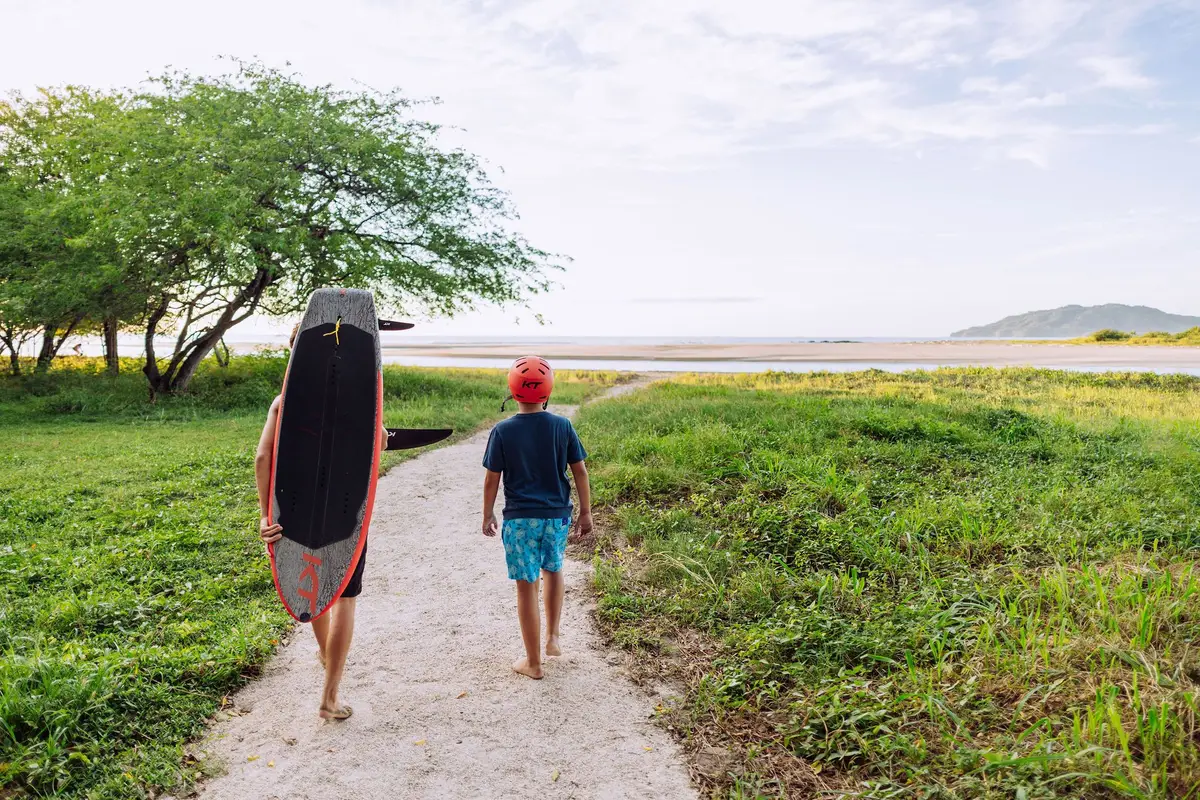
Tamarindo foil travel gear needs a padded board bag, protected foil parts and a ride with enough room for the load. For Tamarindo, Costa Rica, Liberia airport is about 65 to 75 km away by road. Measure your packed bag before you book the flight and transfer.
Key takeaways: Weigh and measure your complete foil bag before booking. Confirm its acceptance with every airline and transfer operator. For Playa Grande, use the road or an authorized boat and check current beach access with park staff.
1. Which airport is most convenient for Tamarindo with foil gear?
Liberia airport, code LIR, is a convenient international gateway for Tamarindo with a foil bag. The road trip is about 65 to 75 km and usually takes 1 to 1.5 hours. Arrange the final ride around the bag's packed dimensions, your group size and your arrival time.
Before choosing flights, check the whole route. A connection can mean another airline or a smaller aircraft, so ask about the gear on each leg. Give the carrier the dimensions of the closed bag, including handles and bulges, and describe the board and dismantled hydrofoil inside.
A direct airport transfer lets you move the board bag and your other luggage together. Shared shuttles also serve Tamarindo, though their luggage space must accommodate other passengers. Send the operator your measurements before reserving, then ask where the bag will sit and whether carrying it changes the fare.
Book the return ride with the same care. Give the driver your pickup point, departure time and the dimensions you supplied for the outward trip. Allow time for the drive, unloading and airline baggage procedures. Keep the airline's response and your transfer details handy if you need to check them at the airport.
If you have yet to choose a beach or assess local hazards, start with the Tamarindo surf foil spot guide. It gives your travel plans a useful destination: you can then decide whether to stay near town or arrange extra transport for a session elsewhere.
2. How should you pack Tamarindo foil travel gear for a flight?
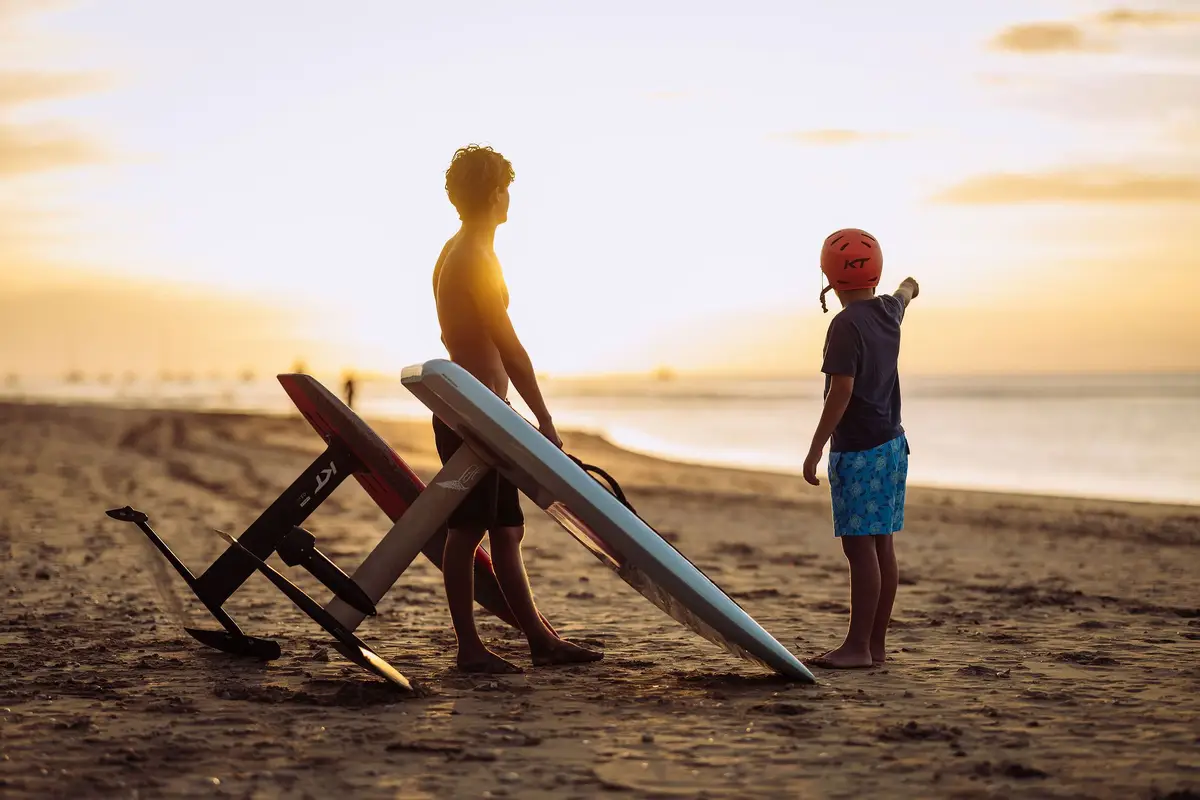
For a flight to Tamarindo, take the board and foil apart and cushion each piece inside a padded bag. Protect the board's nose, tail and rails, plus the foil's edges and tips. Use one closed pouch for screws, washers and the tool you need to assemble the setup.
Take a photo of the assembled foil and mast position before dismantling it. Follow your equipment maker's instructions, and keep covers on sharp edges as you work. Wrap the mast and fuselage separately so hard fittings cannot press against the board. If you use clothing as padding, make sure the parts still have their protective covers.
Fill open spaces around the covered pieces so they cannot slide inside the bag. Lift it by its handles and check whether the load feels balanced. A bag that is awkward to carry at home will be awkward at the airport too, particularly when you also have other luggage.
- Pad the board's nose, tail and rails before placing it in the travel bag.
- Cover the mast and fuselage separately, with hard fittings away from the board.
- Protect the front wing and stabilizer, especially their tips and trailing edges.
- Put screws, washers and the correct assembly tool in a closed pouch.
- Weigh the complete bag and measure its outside length, width and height.
Choose a bag you can close without forcing the zipper over a wing or fitting. Compression straps can help hold the contents in place, while padded handles or shoulder straps make a heavy load easier to move. A separate pocket for the hardware pouch also makes it easier to find on arrival.
Once the bag is closed, record its measurements with the rest of your travel details. The outside size matters to both the airline and the driver, while the packed weight helps you check baggage charges. Measure the bag as you will actually send it, with padding and any clothing inside.
3. What airline baggage limits should Tamarindo travelers check?
Check the rules for your complete Tamarindo foil bag with every operating airline before buying a ticket. One carrier publishes a general special-item size limit of 292 cm for length, width and height combined. Its board rules list overweight charges up to 32 kg. Ask your operating airline how it classifies a board packed with a hydrofoil and whether it will accept your complete bag.
Those figures do not establish an allowance for every foil bag or every route. Ask about your particular flight, including any connection operated by another carrier. Give the airline the bag's outside measurements and weight, describe the contents, and ask whether aircraft size or space affects acceptance.
Add the length, width and height when an airline asks for combined dimensions. Measure after closing the bag, with any bulges and handles included. Weigh it with all the gear and padding inside. Check whether the quoted price covers a checked bag, a sports item, excess weight or more than one charge.
Ask where the carrier wants tools and covered foil parts packed. Its answer may affect how you arrange the bag, so check before leaving for the airport. Keep a record of the response with your booking details and take the same care on the homeward flight.
If the airline cannot confirm your setup, ask what information would let it make a decision. A description of the dismantled parts and the final bag size is more useful than calling it a surfboard alone. You can also ask the school about lesson equipment before deciding whether to fly with your own.
4. Choose a transfer with room for the foil bag
A private van or a suitably sized rental vehicle can carry a foil bag from Liberia airport to Tamarindo. The drive is usually 1 to 1.5 hours. Send the packed dimensions and weight when arranging the vehicle, along with your passenger count and the number of other bags.
One shared service lists 30 USD per person with a three-passenger minimum, so a smaller party must pay for three seats. Confirm the full fare and foil-bag acceptance before booking. Ask where the bag will travel and whether there is an extra equipment charge.
A private transfer gives you more control over the space reserved for your group. Still, do not assume any van can take a long board bag alongside every passenger and suitcase. Send the measurements in advance and ask the operator to confirm that the complete load fits in the assigned vehicle.
For a rental car, check the available load length with your group seated. If you plan to use a roof rack, ask the rental company about its rules and suitable straps. Keep the foil dismantled and covered, and secure the bag so it cannot shift during the drive.
Think about the return journey before you commit to a vehicle. Your bag needs space on the ride back even if you use a different driver. Share the pickup address and bag measurements with that operator as well. The Tamarindo surf hostel guide can help you plan where to stay near the beach.
5. How can riders carry gear from Tamarindo to Playa Grande?
From Tamarindo, carry foil gear to Playa Grande by road or ask an authorized boat operator about a crossing. Playa Grande has restricted beach access at night from October 1 to March 15. Agree on space for your covered bag and arrange your return before setting out.
The estuary has currents and crocodiles, so use a vehicle or an authorized boat crossing. If you choose a boat, tell the operator the size of the packed gear and ask how to load it. Confirm the return crossing as well, particularly if your session depends on a specific pickup time.
Playa Grande is part of Las Baulas National Marine Park. During that period, unauthorized visitors may not be on the beach from 6 p.m. to 5 a.m. Check current access with park staff. Follow staff directions and use authorized access when carrying equipment to or from the beach.
Playa Grande's exposed beach break suits intermediate and advanced riders who can judge the wave size, depth and space around a foil. Langosta's rocky river mouth and shifting sandbars also call for experienced judgment. Check the water and the people around you on the day, rather than choosing a launch from a map alone.
Playa Tamarindo's sandy town beach is a practical first stop for a beginner with an instructor. Sandbars, rocks and other water users still affect where a foil can safely travel. Ask your instructor to select an area with suitable depth and room. The Tamarindo beach and hazards guide has more local context.
Conditions also change with the season. Read the Tamarindo surf foil season guide when choosing dates, then check conditions close to your session. A monthly pattern can help with planning, but it cannot tell you whether a particular beach will suit your equipment that day.
6. Book a Tamarindo lesson and plan your gear
Kitesurfing.me lists one school teaching surf foiling in Tamarindo. Its First Flight lesson costs 130 USD for one hour or 230 USD for two hours. The three-day Take Off pack costs 600 USD for five hours. Ask what equipment the lesson includes before deciding what to pack.
A one-hour First Flight gives you a short introduction, while the five-hour pack gives you more lesson time over three days. Choose the length that fits your trip and budget, then tell the school about your experience and any gear you want to use. Ask how the session location is chosen.
Send a request through the Ocean Side lesson page, wait for the school to confirm it, and pay at the school. Check the dates and equipment details in that confirmation. If you plan to travel with a board, settle the airline and transfer questions before relying on the setup for a lesson.
The lesson prices listed here also give you a starting point for the gear decision. A traveler considering the 130 USD introduction can ask whether equipment is provided before paying airline or vehicle charges for a personal setup. The answer depends on the booking, so confirm it with the school.
For broader context on the town's waves, the Tamarindo surfing season guide covers conventional surfing. Its seasonal information is useful background, but a surf model does not measure foil suitability. Discuss your dates and experience with the school, and leave room to adapt to conditions.
If you are still deciding what kind of lesson to book, the surf foil lesson overview explains the activity beyond this trip. You can then use the Tamarindo lesson options to request the duration that fits. Confirm the meeting point and what to bring before you leave home.
Which months have the most modeled surf days in Tamarindo?
In a three-year model for intermediate conventional surfers, June has 12 rideable days and September and October have eight each. These are not foil-specific counts. Use the Tamarindo surf foil season guide for seasonal context, then check the actual conditions and available space before a session.
Can I take a foil board on a shared shuttle to Tamarindo?
Ask the shuttle operator before reserving a ride from Liberia airport to Tamarindo. Send the closed bag's dimensions and weight, your passenger count and your other luggage. One service lists 30 USD per person with a three-passenger minimum, so a smaller group must pay for three seats.
Should beginners bring their own foil to Tamarindo?
A beginner should ask what equipment is included before flying a foil to Tamarindo. The one-hour First Flight lesson listed here costs 130 USD, and the two-hour option costs 230 USD. Send a lesson request, wait for confirmation and check what to bring before arranging sports baggage.
Which Tamarindo beach should I visit with a foil first?
Playa Tamarindo's sandy town beach is a practical first stop for a beginner with an instructor. Choose small waves and a clear area with enough water beneath the foil. Playa Grande's exposed break suits intermediate and advanced riders, while Langosta's rocks and shifting sandbars demand experienced judgment.
How should I pack wet foil gear for the flight home?
After your final Tamarindo session, rinse salt and sand from the foil with fresh water and let it dry before packing. Separate and cover the parts, return the hardware to its pouch, and cushion the foil away from the board. Reweigh the closed bag before leaving for Liberia airport.