
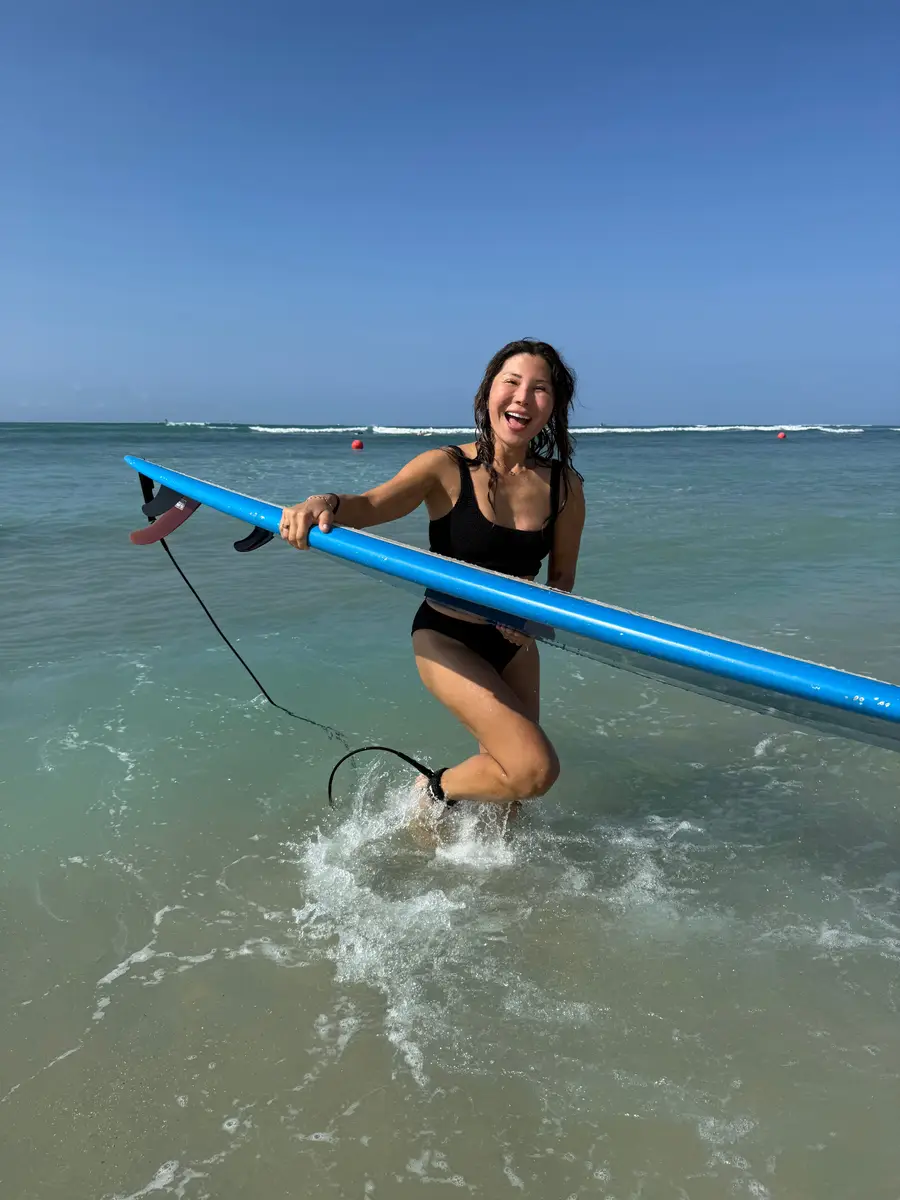
Surfing in United States
2 schools in 1 place1 spot guideBest months All year
We list 2 surfing schools in 1 place in United States; 1 spot has its own guide below. You can book camps in Haleiwa. Best months: All year.
Book surfing in Haleiwa
Surf camps in Haleiwa
Stay and surf sessions in one package. You book these camps directly with the school, on WhatsApp or its website.
Surfing in United States at a glance
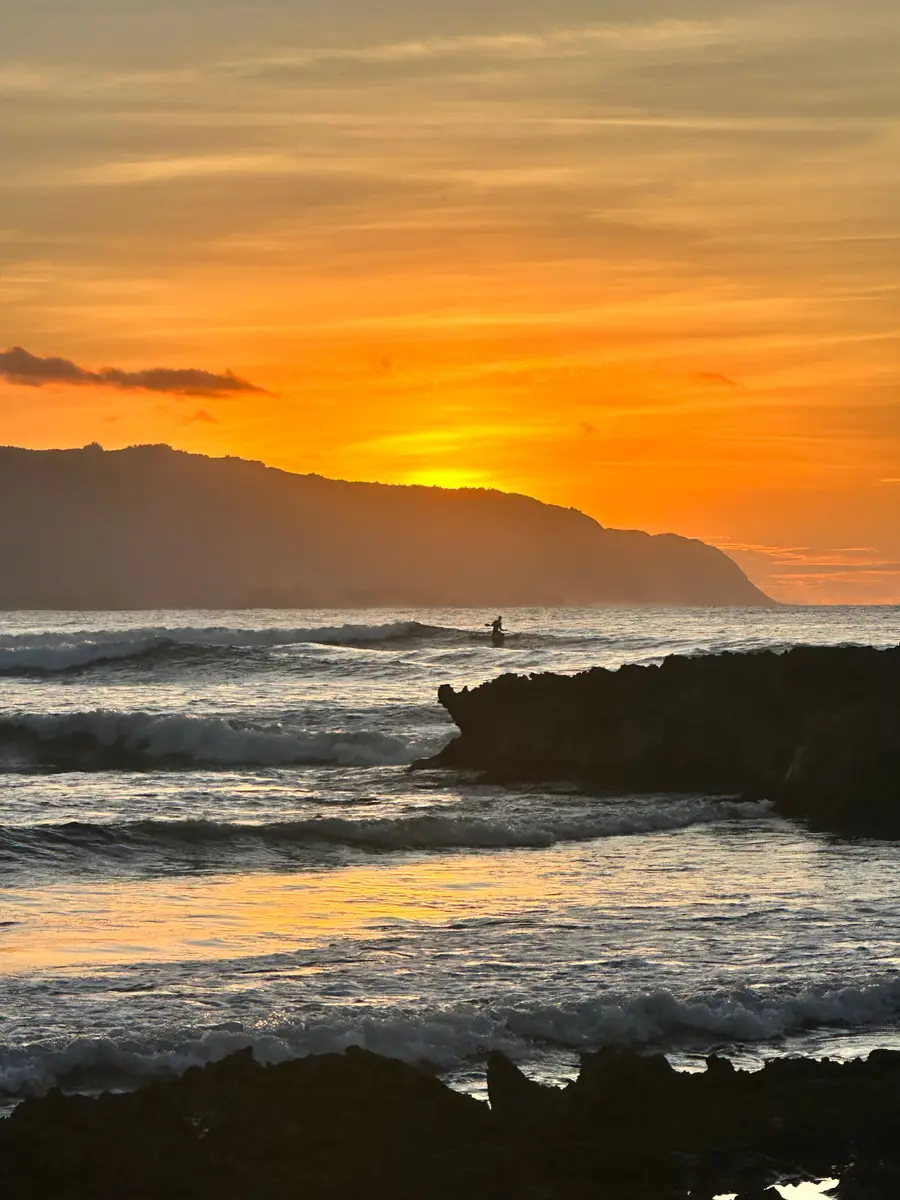
Surfing in the United States ranges from warm Hawaiian reefs to California point breaks and Atlantic beach breaks. For a first lesson, consider Waikiki or Cocoa Beach; experienced surfers can explore Santa Cruz and Cape Hatteras. Summer generally brings smaller waves to Oahu's North Shore, while winter can bring powerful surf. Kitesurfing.me lists 2 schools teaching surfing in the United States, both in Haleiwa.
The United States offers watersports on the Pacific and Atlantic coasts, the Gulf of Mexico, the Great Lakes and the Hawaiian Islands. Hawaii provides warm water year-round, while mainland conditions vary considerably with latitude and season.
- Haleiwa has 2 surfing schools listed on kitesurfing.me.
- Waikiki and Cocoa Beach offer beginner-friendly waves.
- November to February is Hawaii's north shore big-wave season.
- Cowell's and Steamer Lane offer different levels in Santa Cruz.
- Haleiwa and Waikiki are about one hour apart by car.
When is the best time for surfing in United States?
Surfing is possible year-round in the United States, but the best coast depends on the month and your ability. Choose summer for generally smaller North Shore surf or winter to watch its largest waves. Cape Hatteras beaches face different directions, so conditions vary with swell direction, wind and the beach you choose.
| Spot | Jan | Feb | Mar | Apr | May | Jun | Jul | Aug | Sep | Oct | Nov | Dec |
|---|---|---|---|---|---|---|---|---|---|---|---|---|
| Haleiwa, Hawaii | ||||||||||||
| Waikiki, Hawaii | ||||||||||||
| Malibu, California | ||||||||||||
| Cape Hatteras, North Carolina |
The best spots for surfing in United States
| Spot | Water | Level | Best months | Why go |
|---|---|---|---|---|
| Haleiwa, Hawaii | Warm water, reef and sand | Beginner to advanced | May to Sep | Haleiwa is a base for Oahu's North Shore, where summer generally brings smaller waves and winter can bring powerful surf. Both schools listed here teach surfing. Ask the school which beach it will use for your ability and the day's conditions before requesting a lesson. |
| Waikiki, Hawaii | Warm water, reef | Beginner to intermediate | May to Sep | Waikiki on Oahu's south shore is a practical choice for first lessons and longboarders. Its south-facing coast receives more swell in summer, so beginners should still ask a local instructor to select a suitable break. Honolulu has restaurants, transport and beach access close together. |
| Santa Cruz, California | Cold water, sand and reef | Beginner to advanced | Not specified | Santa Cruz offers gentler waves at Cowell's and a more demanding point break at Steamer Lane. Beginners can seek a small day near the wharf; experienced surfers can assess the Lane from West Cliff Drive. Conditions vary, so no specific months are recommended for both breaks. |
| Malibu, California | Cool water, cobblestones | Intermediate to advanced | Jun to Aug | Surfrider Beach at Malibu Lagoon is a right-hand point break over cobblestones. Summer south swells can bring good waves, but the busy lineup is better suited to surfers with experience. First-timers can watch from shore and choose an easier beach for lessons. |
| Huntington Beach, California | Cool water, sand | Beginner to advanced | Not specified | Huntington Beach has a long southern California coastline and a pier-side surf scene. Beginners should seek a small day and a suitable lesson area; larger waves and crowded lineups call for more experience. Conditions vary, so no specific months are recommended for every ability. |
| Cocoa Beach, Florida | Atlantic water, sand | Beginner to intermediate | Not specified | Cocoa Beach has a gently sloping sandy bottom and often small waves, making it useful for beginners and longboarders. Stronger swells require more experience. Conditions vary, so no specific months are recommended for every ability. The beach is about one hour east of Orlando. |
| Cape Hatteras, North Carolina | Atlantic water, sand | Intermediate to advanced | All year | Cape Hatteras projects into the Atlantic on the Outer Banks, where surfers visit in all four seasons. Its beaches face different directions, so conditions vary with swell direction, wind and the beach you choose. Stronger days suit experienced surfers; beginners should seek local advice. |
Which United States spot suits your surfing level?
Complete beginner
Start at Waikiki, Cocoa Beach or Cowell's in Santa Cruz with a lesson and a beach suited to the day's conditions.
Improving surfer
Haleiwa in the smaller-wave summer season and Santa Cruz offer room to progress, with breaks selected for your ability.
Advanced surfer
Oahu's North Shore in winter, Steamer Lane and Cape Hatteras offer powerful or technically demanding surf.
First-time winter North Shore visitor
Watch Pipeline and Waimea Bay from shore when the surf is large; winter North Shore conditions can overwhelm inexperienced surfers.
Getting to United States and between the spots
- Getting to United States
- International flights reach Honolulu and major mainland gateways. For Haleiwa on Oahu, fly to Honolulu and continue north by rental car or transfer. Check your airline's equipment-bag size limits and fees before booking, and reserve a vehicle that can carry your equipment.
- Airports
- HNLDaniel K. Inouye International AirportFor Haleiwa, Waikiki. The main airport on Oahu, with rental cars and transfers available for the North Shore.
- SJCSan José Mineta International AirportFor Santa Cruz. A practical mainland gateway for Santa Cruz and the northern California coast.
- LAXLos Angeles International AirportFor Malibu, Huntington Beach. A major international gateway for southern California.
- MCOOrlando International AirportFor Cocoa Beach. Cocoa Beach is east of Orlando on Florida's Atlantic coast.
- ORFNorfolk International AirportFor Cape Hatteras. A mainland gateway for a road trip to North Carolina's Outer Banks.
- Between the spots
- A rental car gives the most freedom on Oahu: Haleiwa is about one hour by road from Waikiki. Cocoa Beach is about one hour east of Orlando. California and the Outer Banks are mainland road trips; reaching Hawaii from either coast requires a flight.
- Entry and visa
- Eligible visitors can use the Visa Waiver Program for tourism visits of up to 90 days with an approved ESTA. Other travelers generally need a visitor visa. Check the official entry requirements for your nationality and passport before travel.
- Money and costs
- The currency is the US dollar. Cards are widely accepted, and cash is useful for small purchases. Previous visitors spent about $393 per person per day in Hawaii, including accommodation, food, local transport and activities. Flights are extra. Check your own lesson and equipment-bag costs against the activities allowance to avoid counting them twice.
- Climate and water
- The United States ranges from tropical Hawaii to cooler northern coasts. At Honolulu airport, average daily highs are about 27°C in January and 32°C in August. Long-term measurements at Waikiki show average water temperatures of about 24°C in the morning and 25°C in the afternoon in March, and 25°C to 28°C in August. Actual conditions vary.
- Safety
- Check local beach warnings and ask lifeguards about currents before entering the water. Hawaii can have dangerous surf in any month, and rip currents also occur along mainland beaches. In an emergency, call 911.
Surfing in United States: your questions
Which states have the best surfing in the United States?
Hawaii, California, Florida and North Carolina are strong choices for surfing in the United States. Hawaii offers warm water and powerful winter North Shore waves. California has point breaks and colder water, while Cocoa Beach and Cape Hatteras offer Atlantic travelers options for gentler learning and stronger swells.
What does a 12-second swell period mean for surfing in the United States?
A 12-second swell period is the time between successive wave crests passing a fixed point. At Haleiwa or a California beach, that number helps describe a swell, but it is not a safety rule. Wave height, direction, tide and the shape of the seabed also affect the breaking surf.
Is 25 too late to start surfing in the United States?
No, 25 is not too late to start surfing in the United States. Begin with a lesson at a gentler break such as Waikiki, Cocoa Beach or Cowell's in Santa Cruz. A suitable longboard and small waves make it easier to practice paddling, standing and controlling the board.
When is the best time for surfing in the United States?
Surfing is possible year-round in the United States, and the best coast depends on the month and your ability. Choose summer for generally smaller North Shore surf or winter to watch its largest waves. Cape Hatteras conditions vary with swell direction, wind and the beach you choose.
Where should beginners surf in the United States?
Waikiki in Hawaii, Cocoa Beach in Florida and Cowell's in Santa Cruz are useful starting points for beginners in the United States. Choose a lesson suited to the day's surf. For Haleiwa, ask the school which beach it will use for your ability and conditions before requesting a lesson.
How do I book a surfing lesson in Haleiwa, United States?
Send a lesson request on kitesurfing.me for Haleiwa in the United States. The school confirms your booking, and you pay at the school. There are 2 surfing schools listed in Haleiwa. Before requesting, ask which beach the school will use for your ability and the day's conditions.
Where should I surf in the United States in December?
In December, experienced surfers can look to Oahu's North Shore in the United States for the winter swell season, while beginners should seek a gentler lesson location. Waikiki is a useful south shore base, and North Shore beaches offer a chance to watch experts when waves are too large to enter safely.
How do I travel between surfing spots in the United States with a board?
Use a car for nearby beaches and fly between Hawaii and the mainland United States. Haleiwa and Waikiki are about one hour apart by road. Before flying, check the airline's board-bag dimensions, weight limit and charges, and make sure your rental vehicle can carry the board.
Do I need a visa for a surfing trip to the United States?
Many international visitors need either a visitor visa or eligibility for the Visa Waiver Program to enter the United States. Eligible travelers using the waiver need an approved ESTA and can generally visit for up to 90 days. Check official requirements for your nationality before booking your Hawaii or mainland trip.
How much should I budget for a surfing trip to Hawaii in the United States?
Previous visitors spent about $393 per person per day in Hawaii, United States, including accommodation, food, local transport and activities. Flights are extra. Check your own lesson and board-bag costs against the activities allowance to avoid counting them twice. Your actual total will depend on your travel style.
Do I need a wetsuit for surfing in the United States?
A wetsuit is useful in cold-water Santa Cruz, United States, while Hawaii often allows lighter surf clothing. Long-term measurements at Waikiki show average water temperatures of about 24°C in the morning and 25°C in the afternoon in March, and 25°C to 28°C in August. Actual conditions vary.
What local rules should surfers know in the United States?
In Ocean City, Maryland, United States, summer surfing is restricted to designated areas from 10 a.m. to 5:30 p.m., and surfers must wear an ankle leash. Surf beaches rotate, so check the day's locations with beach patrol. Officials can modify restrictions when conditions warrant, so follow their instructions.
What safety rules should surfers follow in the United States?
At United States beaches, check warning signs, speak to lifeguards and choose waves within your ability. On Oahu's North Shore, leave large winter surf to experienced surfers. Give the surfer already riding a wave room, keep control of your board and stay away from swimmers and crowded areas.
Sources for this guide: Hawaii surf seasons and North Shore, Oahu beaches and North Shore conditions, Santa Cruz surf breaks, California coastal surf spots, Malibu summer swell, Florida Atlantic surf spots, Outer Banks surfing and seasonal exposure, Ocean City Beach Patrol surf beach rules, Ocean City summer beach rules, Swell period and breaking waves, Hawaii high surf hazards, Waikiki water temperatures, United States visitor entry, Hawaii traveler spending estimates, Oahu travel and transport, Honolulu monthly climate normals, 1991 to 2020, Cocoa Beach location and access · Last checked November 2026.