
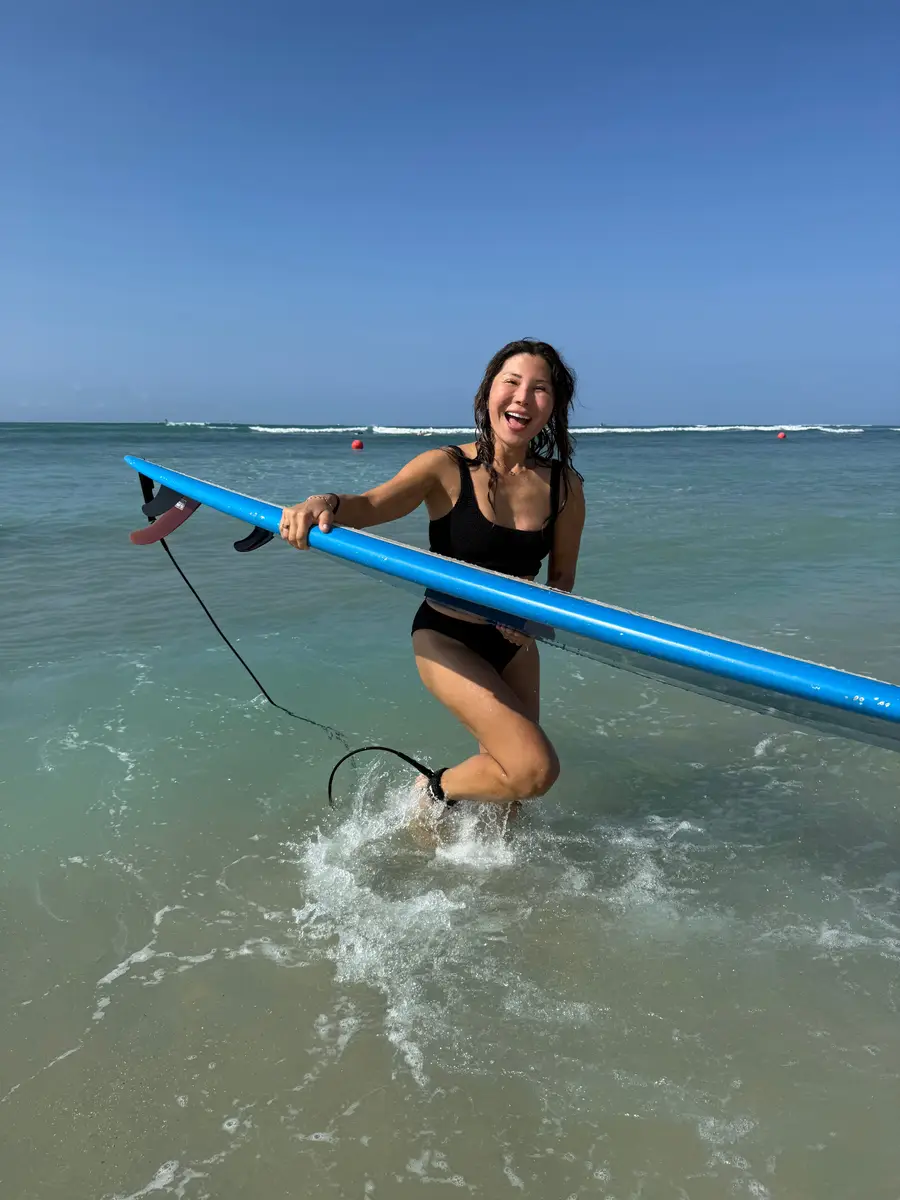
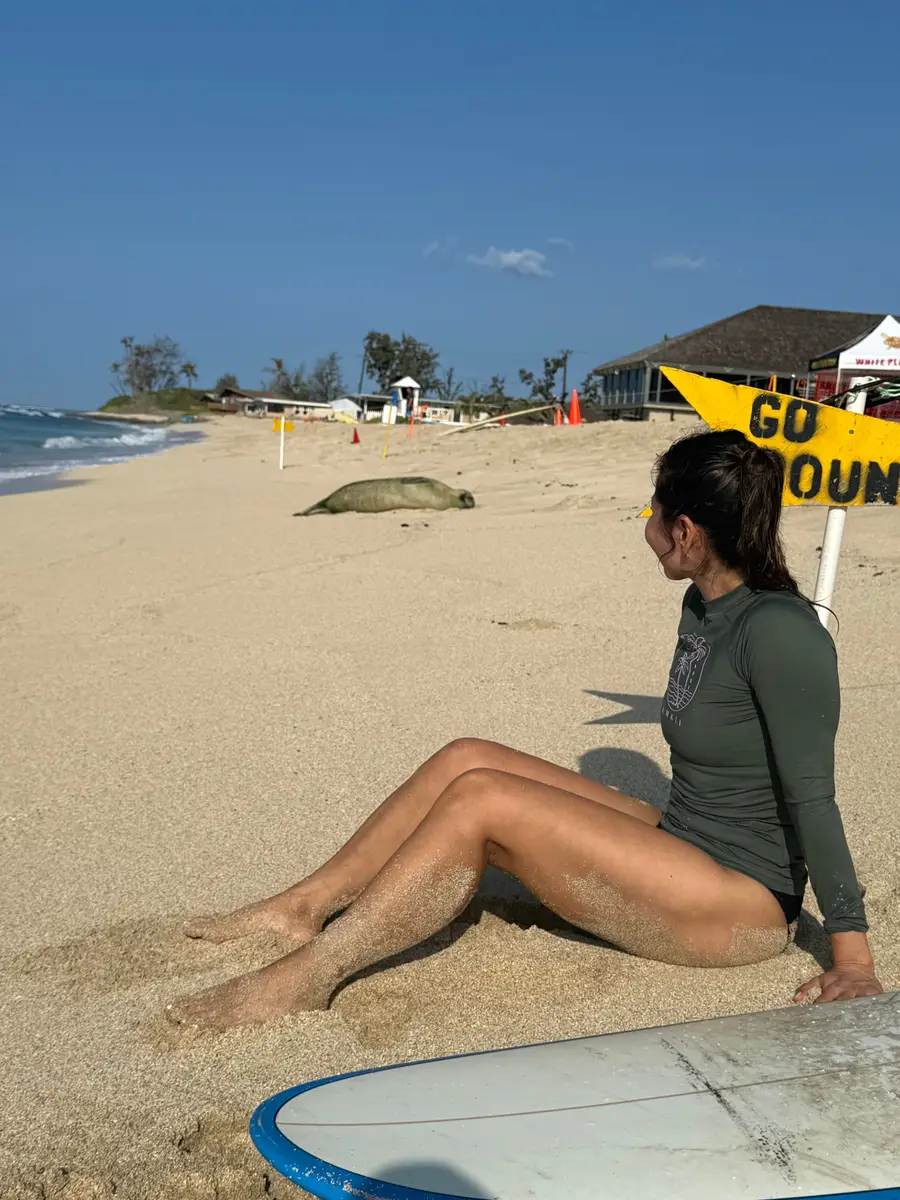
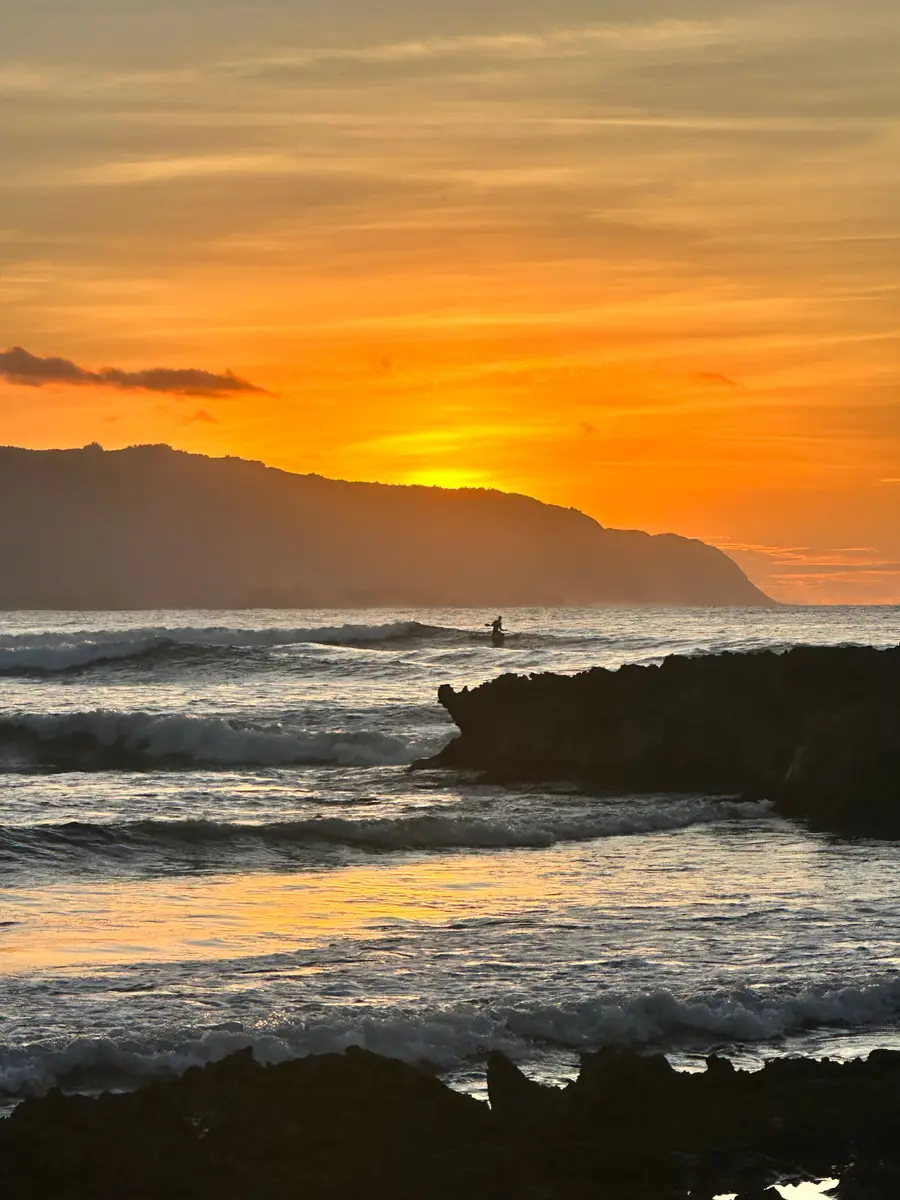
Haleiwa Surf and Yoga Camp
VerifiedEnglish- Beginner lesson
- $1750 (~€1610)/5 days · 8h
Book camps with Haleiwa Surf and Yoga Camp.
2 schools in Haleiwa teach surfing. Best months: Dec to Feb.
Stay and surf sessions in one package. You book these camps directly with the school, on WhatsApp or its website.
Request a lesson from any school: we pass your request to them. How we sort
Surfing prices: ask the school
Request a lessonDec to Feb, the best months for surfing here in our sourced spot guide.
Haleiwa's main reef favors west-northwest to northwest swell and can produce waves from overhead to more than double overhead. Puaena Point partly shadows the main break from more northerly swell, while Laniakea receives north swell more directly. Light easterly to southeasterly winds are favorable; onshore wind roughens the faces. At Laniakea, the period between low and high tide is often favorable, while lower water exposes more reef around the coast. Check the day's swell, wind and tide alongside the Haleiwa seasonal guide linked on this page. North Shore surf is generally stronger in winter and smaller in summer, but conditions vary with each swell. For a month-by-month trip plan, see the Haleiwa seasonal guide linked on this page.
Which swell is running changes the whole day: which break works, which board you take, and whether it is a beginner day at all.
WNW to NW swell · boards A shortboard suits experienced surfers on the main reef.
Powerful reef peaks and long right-hand sections at Haleiwa
Best beaches: Haleiwa Alii Beach Park
The main reef becomes powerful on winter swell. Beginners should look at the inside of Puaena Point with an instructor.
N to NE swell · boards Choose a board with enough paddle power for the break and conditions.
Swell wraps into Puaena Point and reaches Laniakea
Best beaches: Puaena Point, Laniakea
Puaena's inside and outer point are different zones. The outer point can produce large, powerful waves.
Surfing Haleiwa, United States, offers a sheltered inside at Puaena Point for beginners on small days and a powerful reef at Alii Beach Park for experienced surfers. Kitesurfing.me lists 2 schools teaching surfing in Haleiwa. Haleiwa Surf and Yoga Camp offers packages with 8 hours of surfing, and its retreat includes yoga and accommodation. Check the day's conditions and choose a break that matches your ability.
5 beaches, each with its own character. Pick the one that fits your level; your school will choose the best one for the day's swell.
Sources: Haleiwa reef and swell guide, Puaena Point surf guide, Laniakea surf guide, Haleiwa monthly wave expectations, Hawaii ocean recreation rules, Laniakea coastline and surf breaks, Haleiwa Surf and Yoga Camp retreat, North Shore surf conditions and etiquette, Waimea Bay big-wave contest, North Shore places and Pipeline · Page updated .
Choose a supervised session on Puaena Point's inside when waves are small. The outer point and Haleiwa's main reef are separate, more demanding breaks.
Puaena's inside gives progressing surfers room to practice on suitable small days. Ask a local instructor about the tide, reef and current.
Small days at Alii or Chun's can offer a step up, but Haleiwa currents and reef require confident paddling. Check the seasonal guide linked on this page before choosing dates.
Haleiwa's main reef and Laniakea offer powerful sections on winter swell. Both require attention to crowds, currents and changing wave size.
Haleiwa Bay has designated ocean recreation zones. Respect the marked uses, posted warnings and lifeguard directions, and give the surfer already riding a wave room.
Rules can change season to season, so always confirm current zoning with your school or local signage. Last checked November 2026. Source: dlnr.hawaii.gov.
A good time to surf Haleiwa depends on your ability and the day's conditions. Winter generally brings stronger North Shore surf, while summer is generally smaller. Beginners should choose a small day at Puaena Point. The Haleiwa seasonal guide linked on this page explains the pattern.
Yes, beginners can surf Haleiwa at Puaena Point's inside when waves are small. The outer point and the main reef at Alii Beach Park are much more demanding. An instructor can select a suitable session, and kitesurfing.me lists 2 schools teaching surfing in Haleiwa.
Schools teaching surfing in Haleiwa list English.
Check swell direction, size and period, wind, tide and warnings in a Haleiwa surf report before choosing a break. Northwest swell reaches the main reef, while Puaena Point changes how northerly swell reaches it. Watch several sets from shore and ask a lifeguard about currents and entry.
It means successive swell crests pass a fixed point about 12 seconds apart. Check the period alongside swell size, direction, wind and tide, then watch the sets before entering. At Haleiwa, the same swell can affect the sheltered inside and exposed reefs differently.
Haleiwa Surf and Yoga Camp offers surf packages in Haleiwa. Ask Haleiwa Surf and Yoga Camp whether a board is included in your package or whether it can recommend a rental for your dates. Confirm the pickup location, board size and return time before arranging transport.
Send a request to Haleiwa Surf and Yoga Camp through its school page on kitesurfing.me. The school confirms the request, and you pay at the school. Listed per-person prices are 1,750 USD for Mauka, 2,000 USD for Honu and 1,850 USD for Kohala; Aloha is 3,600 USD per week. Each includes 8 hours of surfing.
Arrange transport to your Haleiwa session after confirming the meeting point and whether you need to carry a board. If taking your own, check that your vehicle can accommodate it securely and allow room for passengers. Ask the school about equipment before planning pickup and return.
Pipeline at Ehukai Beach is one of Oahu's most famous surf spots, east of Haleiwa. Nearby Waimea Bay can produce wave faces around 40 feet, or 12 metres, during major winter swells. These are expert waves; watch from shore and stay well back from the water.
Puaena Point's inside can suit beginners on small days, while Haleiwa's main reef and Laniakea demand stronger skills. Chun's Reef can suit intermediate surfers in manageable conditions, and Jocko's is an advanced reef. See the Haleiwa surf spots guide linked on this page for more detail.