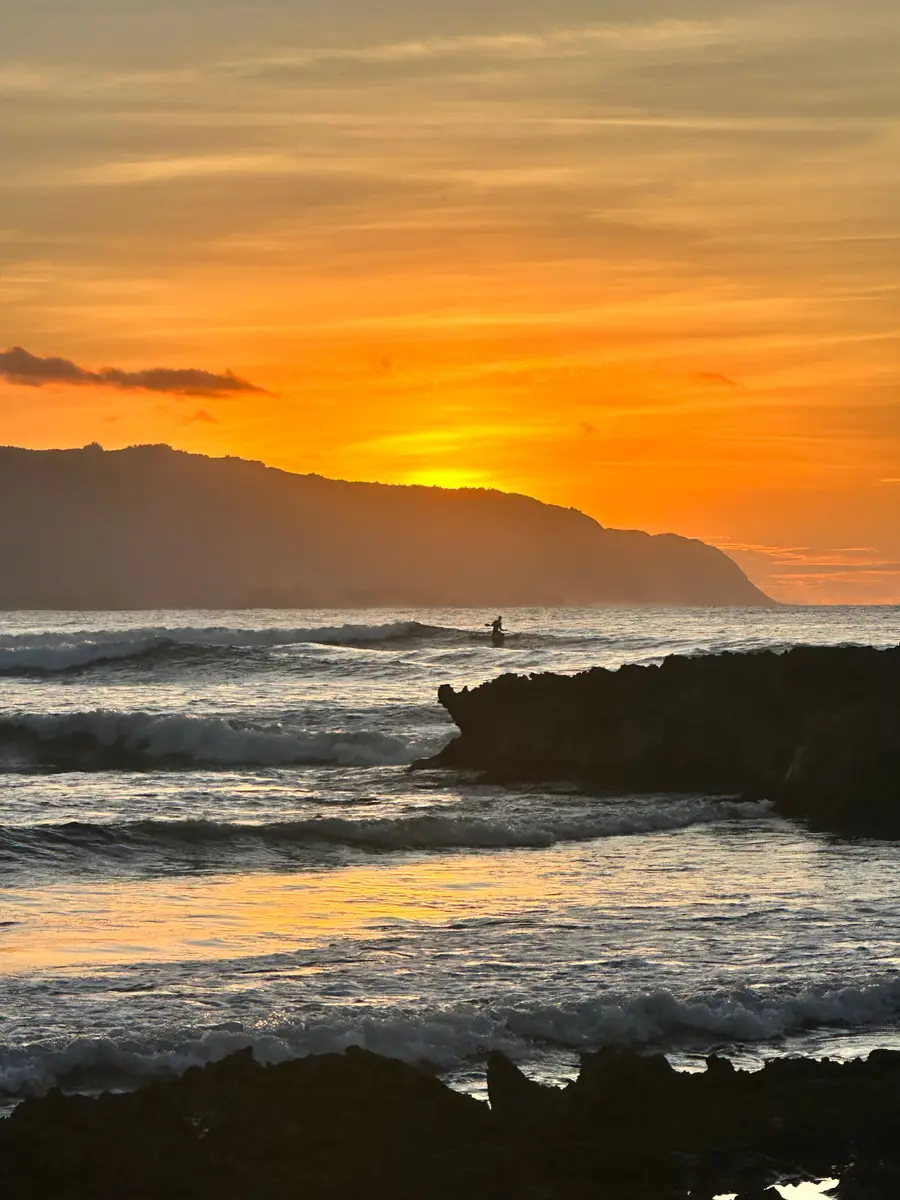
Haleiwa Surf Spots: A Guide to 5 Breaks on Oahu
Explore Haleiwa surf spots, from Puaena Point's beginner inside to exposed reefs. Find 5 breaks for your ability and plan your route with confidence.
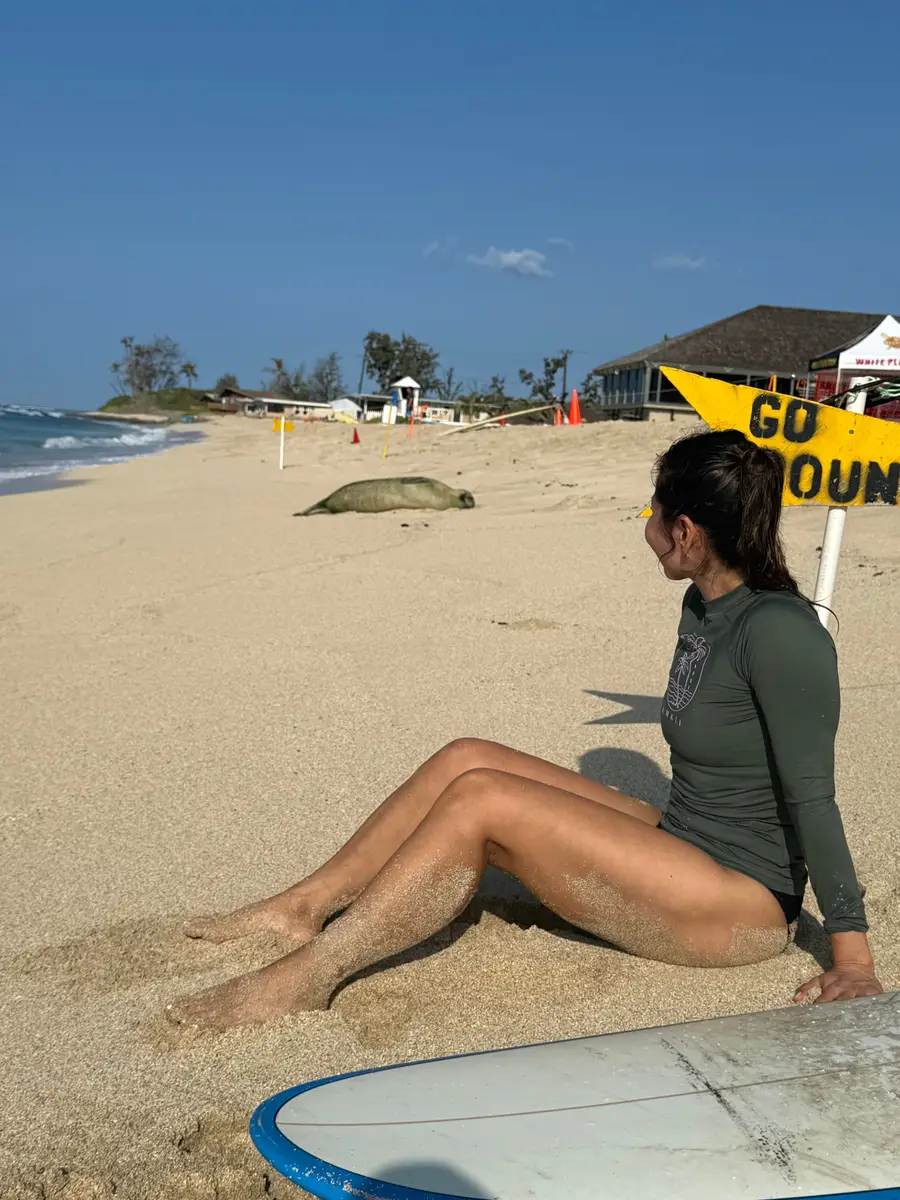
Haleiwa surf spots include a lesson area at Puaena Point and powerful reefs along Oahu's North Shore in the United States. A beginner might find suitable waves inside Puaena on a small day, while experienced surfers can assess the outer reefs. The five breaks in this guide include Puaena as one spot, with its inside and outer point described separately.
Key takeaways: Check Puaena Point's inside for a beginner lesson on a small day. Alii's main reef and the other exposed reefs need stronger surfing and paddling skills. Ask the school or a lifeguard for the current public access route and lesson meeting point at Puaena Point. Respect private property and posted access signs.
Which Haleiwa surf spots are closest to town?
Haleiwa Alii Beach Park and Puaena Point lie on opposite sides of Haleiwa's boat harbor. Alii's main reef breaks about 300 yards offshore, while Puaena has an inside used for lessons and a separate outer point. The two places are close to town, but each demands a fresh look at the day's surf.
Alii Beach Park is south of the harbor, off Highway 83. It has parking, restrooms and a lifeguard, so you can stop and watch sets before deciding whether to paddle. Winter waves at the park can exceed 25 feet. Ask the lifeguard about currents and entry points, even if the water looks calm from the parking area.
Puaena Point is north of the harbor. Ask the school or a lifeguard for the current public access route and lesson meeting point at Puaena Point. Respect private property and posted access signs. The outer point can become much more powerful than the inside. See the Haleiwa spot overview for more context.
A car makes it easier to carry boards east along Kamehameha Highway to Chun's Reef and Laniakea. Secure the board before driving and keep your view of the road clear. Routes 52 and 60 also serve Haleiwa. Check current bus baggage rules before counting on a bus to carry your surfboard.
Where can beginners surf near Haleiwa on a small day?
Puaena Point's inside is the first place beginners should ask about near Haleiwa when waves are small. Its inner area is used for lessons, while the outer point can produce large rights. The two zones are one of the five breaks in this guide, but they call for different levels of experience.
Summer generally brings smaller North Shore surf, although some days have very little. Winter generally brings stronger North Shore surf, while summer is generally smaller. Choose dates for your ability and check the daily conditions. The Haleiwa seasonal guide explains the pattern, but a seasonal trend cannot tell you what a particular morning will bring.
At Puaena, watch the smaller inside waves and see where lessons take place. Low water can expose more reef, and a current can run near the harbor channel. Before entering, ask an instructor where to paddle out and where to return. If the inside is too rough for your ability, wait for a more suitable day.
| Break near Haleiwa | Suitable surfer | What to check |
|---|---|---|
| Puaena Point | Beginners inside on small days; experienced surfers at the outer point as swell rises | Inside lesson area, reef and harbor current; outer right becomes more powerful |
| Alii Beach Park main reef | Confident intermediate to expert | Powerful reef about 300 yards offshore and current near the breakwater |
| Chun's Reef | Intermediate on smaller days to advanced | Reef, channels and changing currents |
| Laniakea | Intermediate to expert | Exposed reef and a substantial offshore paddle |
| Jocko's | Advanced | Exposed reef, left-breaking wave and paddle |
Kitesurfing.me lists 2 schools teaching surfing in Haleiwa. Tell a school about your swimming ability and any surf experience when you request a lesson. Ask where you will meet and whether equipment is included. An instructor can then suggest a suitable session and explain whether Puaena's inside is appropriate on your chosen day.
How difficult is Haleiwa's main reef at Alii Beach Park?
Haleiwa's main reef at Alii Beach Park suits confident intermediate to expert surfers, and it gets harder as the swell rises. The main break lies about 300 yards offshore and produces a powerful right. Reef, currents and other surfers all add to the demands of the paddle and takeoff.
The park is easy to reach, but that does not make the offshore paddle easy. Watch several sets from shore, including the largest waves, and follow the movement of surfers and foam near the breakwater. Strong rip currents can form around deeper sections. At low tide, waves breaking over the reef can be more hazardous.
Winter brings the strongest surf to the main reef. Choose a day within your ability, ask the lifeguard about the current and save enough energy for the paddle back. If the sets look manageable only between larger waves, keep watching. Your decision should account for the larger sets as well as the quieter intervals.
Haleiwa Bay has marked recreation zones with different uses. Offshore Zone B is designated for surfing and bodysurfing, while nearshore Zone A at Alii Beach Park is designated for swimming and bathing. Check posted signs, give swimmers space and follow lifeguard directions. The Haleiwa conditions overview provides more detail on the bay.
What should surfers know about Chun's, Laniakea and Jocko's?
Chun's Reef, Laniakea and Jocko's are three reef breaks east of Haleiwa along the North Shore. Chun's can suit intermediates on smaller days. Laniakea's exposed reef requires a substantial offshore paddle, while Jocko's is an advanced left. At each break, check the sets and your return route before entering.
Chun's Reef draws a range of surfers when waves are small. As the swell rises, the reef and channel currents demand stronger paddling and more experience. Watch where surfers enter and leave, then consider whether you can follow that route. Pick a takeoff area that leaves room for people already riding.
Laniakea is about 2.5 miles north of Haleiwa. Its right breaks over an exposed reef and can run fast on a north swell. The return paddle is part of the session, especially when currents are moving. Look for a clear route through the channel and stay away from breaking sections beyond your ability.
Jocko's lies northeast of Laniakea and breaks left over an exposed reef. It calls for confident paddling and a careful shore check. Along this stretch of Kamehameha Highway, pay attention to traffic when parking, unloading a board and walking toward the beach. Make sure your equipment is secure before you set off again.
How do you identify Haleiwa's channels and hazards?
Around Haleiwa, a darker gap between breaking waves can mark a deeper channel and an outward current. Strong rip currents can occur near the breakwater at Alii Beach Park, whose main reef lies about 300 yards offshore. Watch for foam moving out to sea and ask a lifeguard about the day's hazards.
A channel can offer a way past breaking waves, but moving water still requires judgment and paddling strength. At Puaena Point, watch for current near the harbor channel. At Chun's Reef and Laniakea, decide where you will return before entering. Stay on land if you cannot identify a route that is within your ability.
Water depth matters as much as wave height around Haleiwa. Lower tide can leave coral closer to the surface, and shorebreak can hit in shallow water. Enter feet first, protect the reef and give other surfers room. Read beach warning signs and follow the directions of the lifeguard on duty.
If a current carries you away from shore, stay calm, float and signal for help. Avoid exhausting yourself against the flow. In Haleiwa Bay, Zone C toward Puaena Point is designated for swimming and bathing. Check the zone boundaries and posted signs, and give people in the water plenty of space.
Where can you request surf lessons in Haleiwa?
You can request a Haleiwa surf package through the surf and yoga school page. Each of its four listed packages includes 8 hours of surfing. The school confirms the request, and guests pay at the school. Share your dates and experience so the school can advise you.
The listed Mauka package costs 1,750 USD per person, Kohala costs 1,850 USD per person, and Honu costs 2,000 USD per person. Aloha is listed at 3,600 USD per week. Ask what each package includes beyond the 8 surf hours and confirm the current price before choosing. The listed prices describe packages, not a single lesson.
The school's North Shore retreat includes four nights of accommodation, four yoga sessions and airport transportation. Ask about equipment, the meeting point and the surf location suited to your ability. A beginner can discuss Puaena's inside on a small day. An experienced surfer should describe their reef experience and the conditions they are comfortable surfing.
The two schools listed here give visitors a starting point for a lesson request. Check the Haleiwa school and surf options and the guide to Haleiwa's seasons before settling on dates. Leave room in your trip for changing swell, and confirm the day's plan with the school rather than relying on a seasonal pattern.
What is the best month to surf near Haleiwa?
There is no single best month for every surfer near Haleiwa. Winter generally brings stronger North Shore surf, while summer is generally smaller. Choose dates for your ability and check the daily conditions. The monthly guide to Haleiwa gives more detail on the seasons.
What does a 12-second swell mean in Haleiwa?
A 12-second swell period means successive wave crests pass a fixed point about 12 seconds apart. In Haleiwa, read that figure alongside swell height and direction, wind and tide. Longer-period swell can carry more energy, so watch sets at your chosen reef and ask a lifeguard about current conditions.
Is Oahu or Maui better for a Haleiwa surf trip?
Choose Oahu if you want to surf Haleiwa, because Haleiwa is on Oahu's North Shore. Maui is a separate island and requires a separate trip. On Oahu, beginners can ask an instructor about Puaena Point's inside on a suitable small day. Experienced surfers can assess the outer reefs separately.
Where can visitors watch famous waves near Haleiwa?
Visitors can watch Pipeline at Ehukai Beach and the big waves at Waimea Bay, east of Haleiwa. Waimea Bay can produce exceptionally large waves during major winter swells. Watch from a safe place well back from the water and obey posted warnings. Conditions can change during a visit.
How do I reach Puaena Point with a board from Haleiwa?
Ask the school or a lifeguard for the current public access route and lesson meeting point at Puaena Point. Respect private property and posted access signs. If you request a lesson through the Haleiwa surf and yoga school, confirm where to meet and whether the school supplies a board.