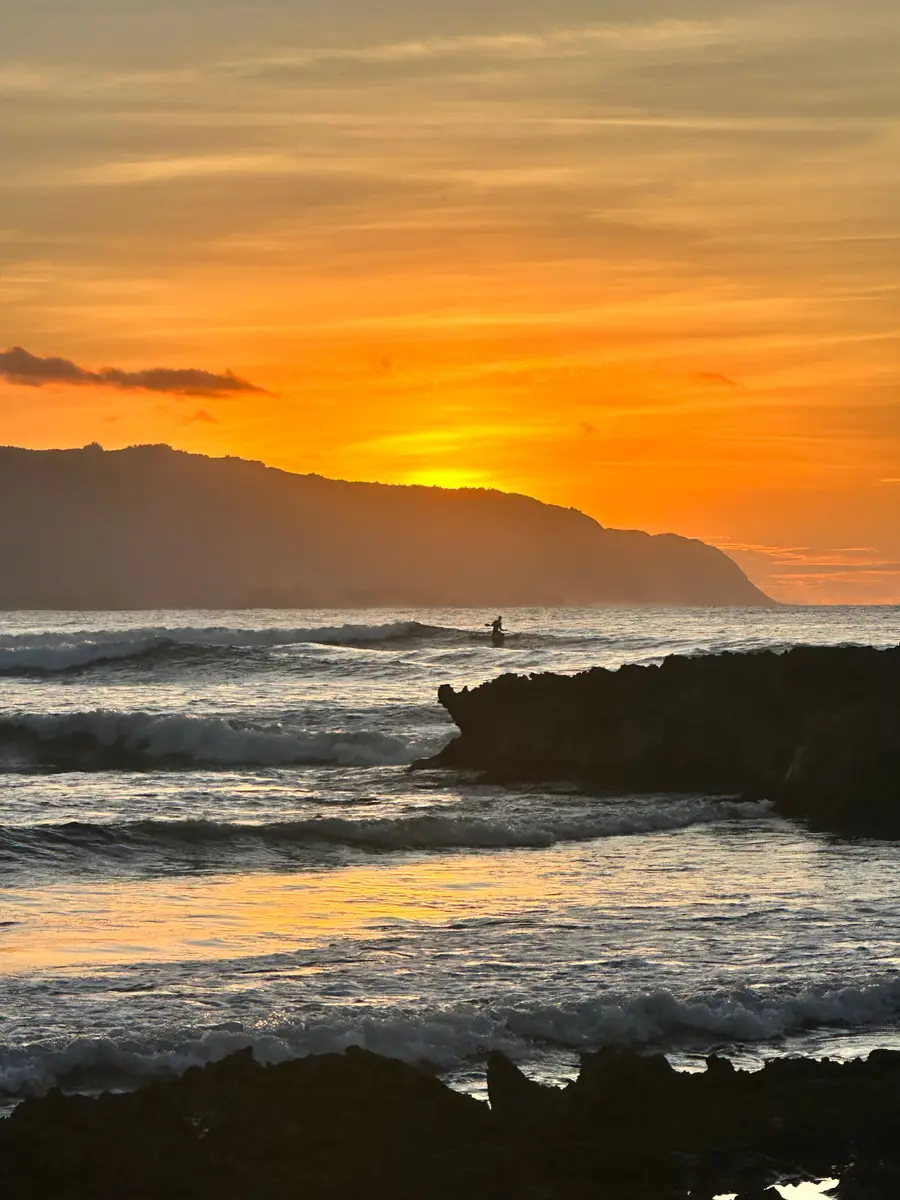
Best Time to Surf in Haleiwa: A Guide to the Seasons
Find the best time to surf in Haleiwa, from winter reef waves to smaller summer sessions, with 12 months of water temperatures to plan your trip.
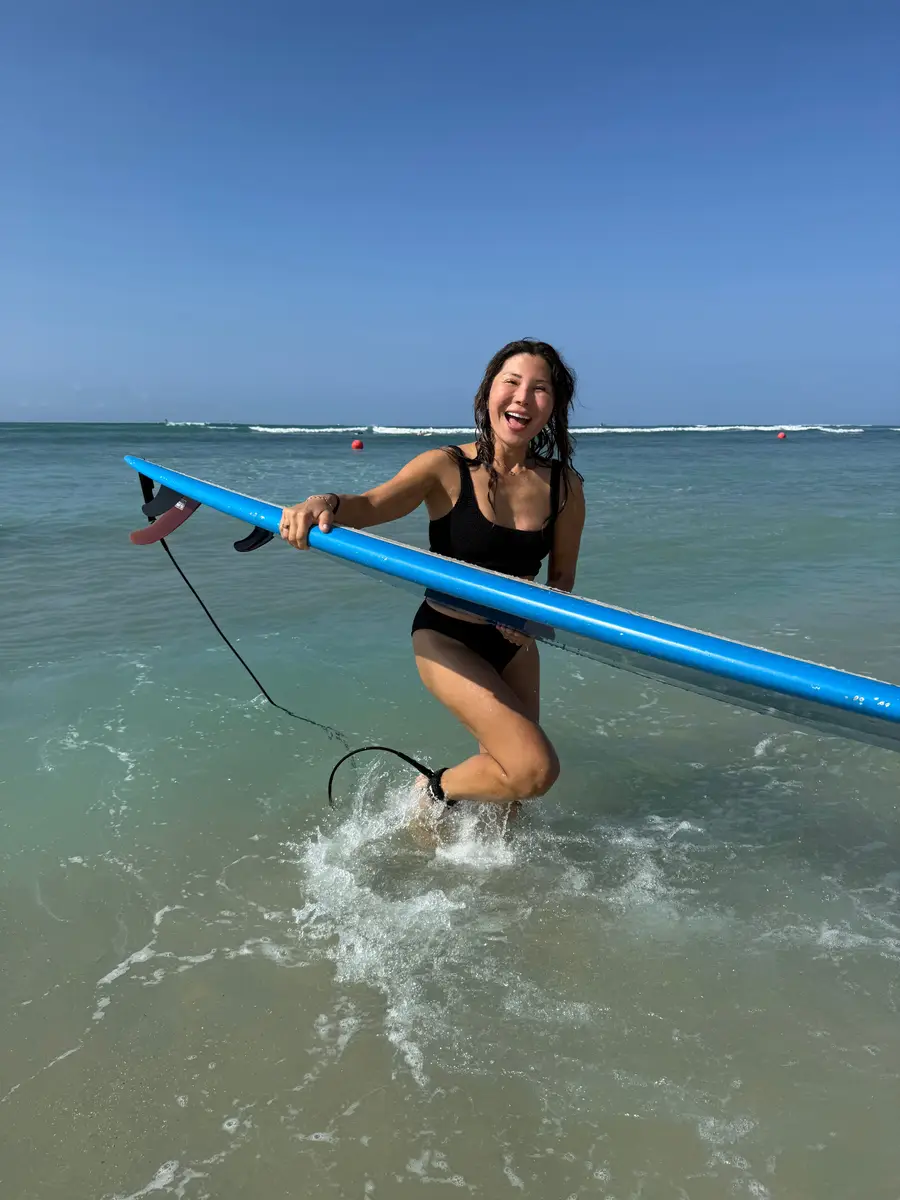
The best time to surf in Haleiwa, United States, is generally November through April for experienced surfers seeking North Shore swell. May through September usually brings smaller surf, which can suit lessons at Puaena Point's inside on the right day. Water stays warm year-round, but waves, wind and currents still decide where you can safely surf.
Key takeaways: Experienced surfers can plan for North Shore swell from November through April. Beginners can look for a small summer day at Puaena Point's inside. The schools listed here include packages with 8 hours of surfing, subject to confirmation.
When is the best time to surf in Haleiwa?
November through April is the main North Shore surf season for experienced surfers in Haleiwa. Swells from the North Pacific can produce powerful reef waves, particularly in winter. May through September generally brings smaller north-facing surf, although any day's conditions can differ from the seasonal pattern.
At Alii Beach Park, Haleiwa's main reef lies roughly 300 yards offshore. Its right-breaking wave, current and busy lineup call for confident paddling and experience around reefs. Watch several sets before deciding whether to enter. If you cannot identify a comfortable route out and back, stay ashore or seek local advice.
Summer gives beginners a better chance of finding smaller waves, but it can also leave the main reef flat. Puaena Point's inside is a lesson area on suitable days, while its outer section can be much more demanding. Leave room in your itinerary for a change of time or location.
April and October sit near a seasonal change, so neither month promises a particular wave size. Check the swell and wind close to your trip, then make the final choice at the beach. The Haleiwa surfing overview gives more context on the town and its coast.
What is Haleiwa like month by month?
Haleiwa has warmer nearby water in late summer and a greater chance of North Shore swell in winter. At Waimea Bay, the monthly average reaches 80.3°F in September and falls to 75.5°F in February and March. Use those averages for packing, then check the actual forecast for surf.
The water figures below are nearby monthly averages from the Waimea Bay buoy for 2015 through 2025. The series has gaps in some years, and the buoy measures open water east of Haleiwa. These numbers describe past conditions, not the temperature you will find at a lesson or the size of tomorrow's waves.
The seasonal notes are broad planning guidance rather than monthly wave-height predictions. Crowding depends on the break and the day's conditions. When the main reef works, experienced surfers can fill the lineup. Watch from shore, notice where people enter and exit, and give a surfer already riding a wave room.
| Month | Haleiwa seasonal surf guidance | Water temperature: nearby Waimea Bay monthly average |
|---|---|---|
| January | Winter swell season; reef surf can be powerful | 76.0°F |
| February | Winter swell season; check reef conditions | 75.5°F |
| March | Winter swell season; conditions can change | 75.5°F |
| April | Late in the North Shore winter surf season | 76.5°F |
| May | Generally smaller North Shore surf | 77.2°F |
| June | Generally smaller surf; flat days are possible | 78.2°F |
| July | Generally smaller surf; flat days are possible | 79.1°F |
| August | Generally smaller North Shore surf | 80.0°F |
| September | Generally smaller surf before the seasonal change | 80.3°F |
| October | Seasonal transition; check each swell | 80.1°F |
| November | North Shore winter surf season begins | 79.0°F |
| December | Winter swell season; reef surf can be powerful | 77.3°F |
A monthly average cannot tell you whether Puaena Point's inside will be suitable on your lesson day. Nor does a small reading offshore guarantee an easy entry over a reef. Ask a lifeguard or instructor about the current, the sets and the exact area before carrying your board to the water.
Which months are best for beginners in Haleiwa?
May through September is a useful window for beginners in Haleiwa because North Shore waves are generally smaller. Puaena Point's inside is used for lessons on suitable small days. Its outer point can produce large waves, so agree on the exact lesson area with your instructor before entering.
A summer trip still needs flexibility. Some days may have too little surf for the session you want, while another swell may make conditions unsuitable for a first lesson. If you can, keep several days open and let the school suggest a session that fits your experience and the available waves.
Puaena Point is on the north side of Haleiwa Harbor. The inside and outer point are separate surfing areas, and calm-looking water close to shore tells only part of the story. Watch several sets and ask about the reef, current and entry. The guide to Haleiwa surf breaks describes the nearby options.
Kitesurfing.me lists 2 schools teaching surfing in Haleiwa. Haleiwa Surf and Yoga Camp lists packages with 8 hours of surfing, which may suit a beginner who wants more than one session. Tell the school how much time you have and ask how those hours would be arranged.
How warm is Haleiwa's water and what should you wear?
Near Haleiwa, Waimea Bay water averages 75.5°F in February and March and 80.3°F in September. Many surfers will be comfortable in swimwear or a rash guard, though warmth feels different to each person. Bring a light layer for shore, especially if you plan to watch a winter session.
Haleiwa weather also changes with the season. The area receives about 31 inches of rain a year, with roughly 1 to 2 inches a month from April through September. October through March is wetter, averaging roughly 2 to 5 inches a month. A light rain layer is useful for travel around the North Shore.
A rash guard can help protect your skin while you paddle at Puaena Point. Ask the school what equipment comes with your package and whether you should bring surf clothing. For an independent session, take drinking water and leave dry clothes ready at the beach. The surfing trip guide can help with broader planning.
What can you do on a flat day in Haleiwa?
On a flat day in Haleiwa, explore the town around the Anahulu River or check another part of Oahu's coast. Summer generally brings smaller North Shore surf, so leave room for at least one change of plan. Check local ocean conditions before choosing any activity in the water.
Walk through town near the Rainbow Bridge, where shops and places to eat sit close to the river. Haleiwa Harbor lies between Haleiwa Beach Park and Alii Beach Park. Both give you a chance to look at the water from shore. Keep well back from breaking waves, including when you are only watching.
With a car, you can follow Kamehameha Highway east toward Waimea Bay and other North Shore beaches. In summer, south-facing shores can receive swell when the north is small. Waikiki is on Oahu's south shore, so check its forecast and your travel time before deciding to make the drive.
On a winter day when Haleiwa's reef exceeds your ability, watching from a safe place ashore can teach you about the sets. The nearby Haleiwa surf spots include Puaena Point and Laniakea. Each faces swell differently and has its own entry considerations, so assess the actual break before paddling out.
How do you book a lesson in Haleiwa?
Send Haleiwa Surf and Yoga Camp your dates, experience and group size on kitesurfing.me. Ask about the meeting point, board use and transport. The school confirms the request, and you pay at the school. Its four listed packages each include 8 hours of surfing.
The Mauka package is listed at 1,750 USD per person, Kohala at 1,850 USD per person, and Honu at 2,000 USD per person. The Aloha package is listed at 3,600 USD per week. Each includes 8 hours of surfing. Ask what else your selected package includes before you commit to travel arrangements.
The school also describes a five-day retreat with four nights of accommodation, four yoga sessions and airport transportation. Those details do not establish what every package includes, so confirm them for the one you request. The Haleiwa lesson marketplace lists the two schools teaching surfing in town.
From Daniel K. Inouye International Airport, the road to Haleiwa crosses central Oahu through Wahiawa. A car is useful for carrying a board between town, Puaena Point and other North Shore beaches. If you bring your own board, check airline baggage rules and arrange a vehicle that can carry it securely.
If you plan to rent a board or use one supplied by the school, confirm its availability before leaving your own gear at home. Ask where to park and how far you will need to carry equipment from the meeting point. For other destinations on your itinerary, browse the surfing travel pages.
- Keep several possible lesson days open if your trip allows it.
- Check airline board-baggage rules and vehicle capacity if you bring your own equipment.
- Watch the water from shore and ask a lifeguard about conditions before entering.
- Give the surfer already riding a wave room and avoid obstructing the harbor entrance.
What should I check in a Haleiwa surf forecast?
Check swell direction and size, wind, tide and warnings in a Haleiwa surf forecast before choosing a break. Northwest swell can reach the main reef, while Puaena Point changes how northerly swell reaches its inside. Watch several sets from shore and ask a lifeguard about the current and entry.
What is a good time of day to surf in Haleiwa?
A good time to surf in Haleiwa is when the tide, wind and swell suit your chosen break and ability. Light easterly to southeasterly winds are favorable at the main reef. Check the day's conditions before setting out, then watch the water from shore before deciding whether to paddle.
What does a 12-second swell period mean in Haleiwa?
A 12-second swell period describes the time between successive swell crests approaching Haleiwa. It does not give the height of a breaking wave. Read the period alongside swell direction, size, wind and tide. A long-period swell can carry substantial energy, so watch the sets and seek local advice.
Where can Haleiwa visitors surf in Waikiki?
Waikiki's south-facing shore can receive summer swell when Haleiwa is small. Check the day's conditions and choose a break with a local instructor. Waikiki is on Oahu's south shore, so allow time for the drive from Haleiwa and check the forecast there before you leave.
What is the best month to surf in Hawaii from Haleiwa?
There is no single best month for every surfer based in Haleiwa: November through April suits experienced surfers seeking North Shore swell, while summer generally brings smaller waves. Beginners can ask an instructor about a suitable day at Puaena Point's inside. The actual swell and your ability should guide the decision.