Best Time to Surf in Porto da Cruz, Madeira
The best time to surf in Porto da Cruz depends on your level. Explore 12 months of water temperatures, seasonal waves and lesson options.
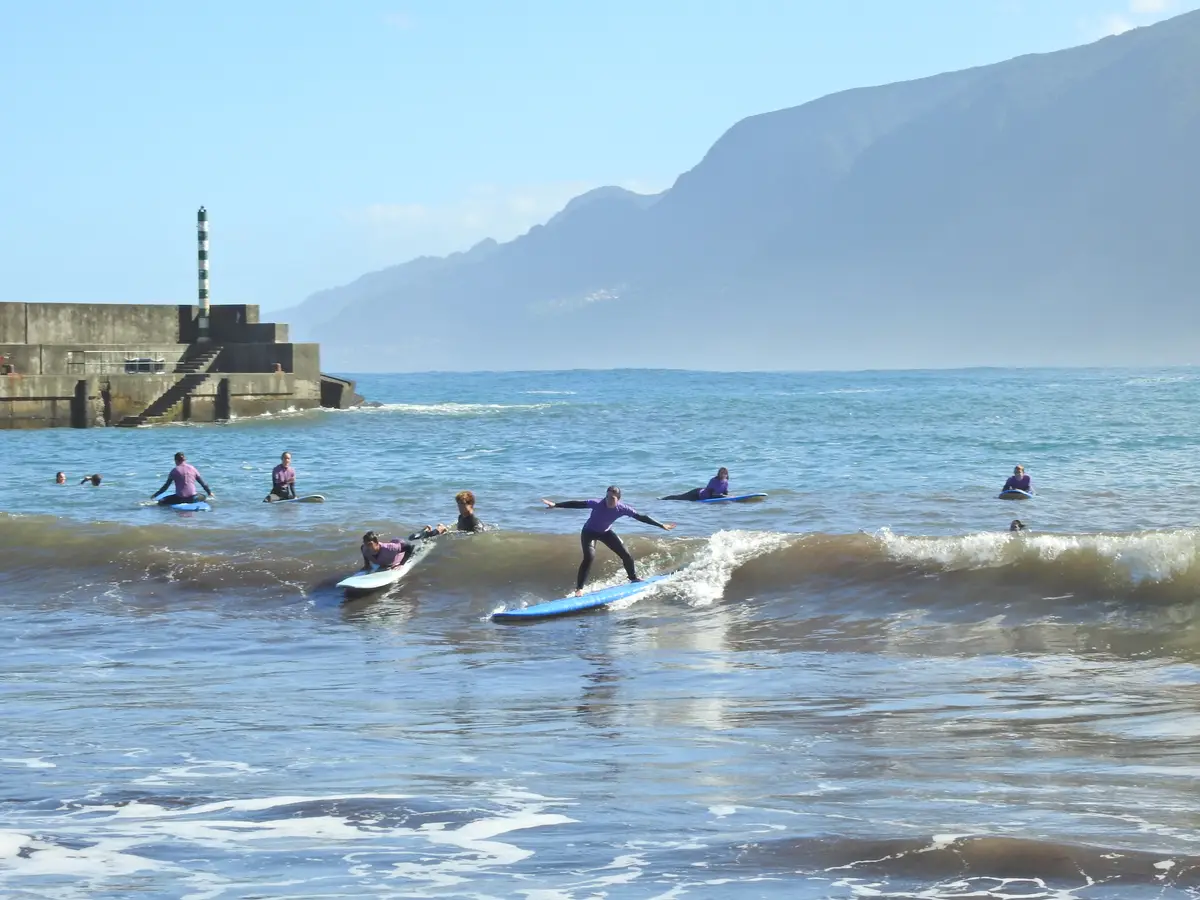
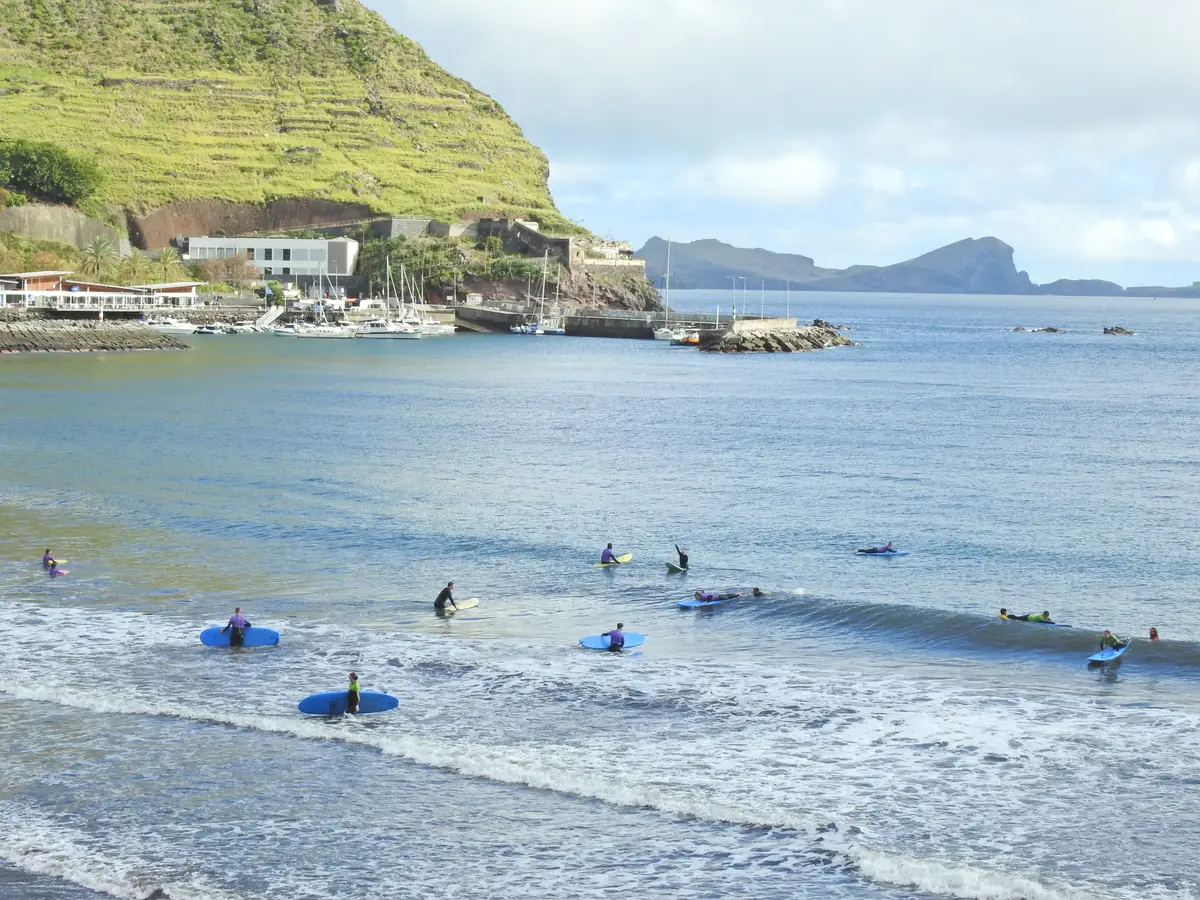
The best time to surf in Porto da Cruz, Portugal, depends on your level and the day's conditions. Autumn and winter can bring stronger waves to the exposed harbour reef. Beginners and intermediates can surf at Alagoa and Maiata when conditions allow. Lessons may be available year-round, but swell, wind and safety vary daily. Ask the school to confirm a suitable location.
When is the best time to surf in Porto da Cruz?
Autumn and winter can bring stronger waves to the exposed reef at Porto da Cruz. Beginners can choose dates that suit their trip and ask the school about daily conditions. The school teaches in three villages, so a lesson may take place outside Porto da Cruz when conditions call for it.
No calendar month can promise a particular wave. If you want an introduction to surfing, leave room in your plans for the school to confirm the location. Alagoa and Maiata suit beginners and intermediates when conditions allow. During a lesson, your coach can help you choose a safe place to enter the water.
Experienced surfers may look to autumn and winter for the harbour reef, but its rocks and nearby seawall demand care. Ask a local surfer about the day's conditions before deciding whether to paddle out. The Porto da Cruz surf spot guide has more detail on the breaks.
For a lesson, tell the local surf school about your experience and the dates you have available. It teaches in Porto da Cruz, Machico and Seixal, choosing a location around the conditions. A flexible itinerary gives you more room to accept the location the school recommends.
What is Porto da Cruz like month by month?
Porto da Cruz water averages range from 18.0°C in March to 23.6°C in September. Use the table to help pack and plan a lesson request. These are monthly averages, so they won't tell you what the waves will be like. In any month, ask the school where conditions suit your ability.
| Month | Average water temperature | Lesson planning advice |
|---|---|---|
| January | 19.0°C | Ask about the day's beach and a suitable wetsuit. |
| February | 18.3°C | Leave room for the school to choose a location. |
| March | 18.0°C | Plan for the coolest average water of the year. |
| April | 18.4°C | Check the forecast and confirm the meeting place. |
| May | 19.3°C | Ask which beach suits your experience on the day. |
| June | 20.8°C | Check the swell and ask the school about equipment. |
| July | 22.2°C | Confirm the lesson location before setting out. |
| August | 23.2°C | Use the water average for packing; check the waves separately. |
| September | 23.6°C | Expect the warmest average water; check daily surf conditions. |
| October | 23.0°C | Ask about the forecast and the day's suitable beach. |
| November | 21.6°C | Allow for a location chosen around the conditions. |
| December | 20.0°C | Check wind, swell and the school's meeting point. |
The water temperature tells you how warm the sea has been on average during a month. It doesn't tell you how large the waves will be or whether a lesson can run. The water can be warmer or cooler than the average, and comfort in a wetsuit varies from person to person.
Use the table when deciding what to pack, then check conditions closer to your trip. If surfing is the main reason for your visit, consider keeping more than one day free. That gives you time to discuss a change of location or a rescheduled session if the original plan is unsafe.
Which Porto da Cruz beach suits your level?
Alagoa and Maiata are the two Porto da Cruz beaches to discuss with a coach if you're a beginner or intermediate surfer. Both have black sand and have hosted regional surf championships. Conditions change, so ask which beach and entry point are suitable for you on the day.
The harbour reef is a separate wave for experienced surfers. It is exposed, breaks left over a rocky area and sits near a seawall. The reef can be inconsistent, and the rocks add risk. Watch from shore and ask someone who knows the break before deciding whether to enter.
A sandy beach isn't automatically safe in every swell. A coach can help you judge the waves and find a place suited to your level. If you're arranging your first session, the guide to learning to surf in Porto da Cruz explains what to expect from a lesson.
Give other surfers room and wait your turn for a wave. Avoid taking a wave when another surfer is already riding it, and keep your board under control around other people. If you're unsure where to paddle or how the lineup works, ask your coach before entering the water.
Which months suit beginners and experienced surfers?
Beginners can request a Porto da Cruz lesson in any month, with the location depending on daily conditions. Experienced surfers looking for stronger swell at the harbour reef can consider autumn and winter. Neither choice guarantees a session, so leave some room in your plans and check before going out.
For a first trip, choose a period that suits your travel plans and give the school an honest account of your experience. Mention any lessons you have taken before and how comfortable you feel in the sea. The coach can use that information alongside the forecast when planning your session.
If you already surf independently, look beyond the headline wave height. A wave's shape and power also depend on the swell, wind and tide. The harbour reef has a narrow tidal window and requires local knowledge. Even when the seasonal outlook is favourable, check the conditions at the break.
Experienced visitors who want to explore other parts of Madeira can ask about guided sessions at Jardim do Mar and Paul do Mar. You can also read the São Vicente surf guide while planning a wider trip. Check each place on its own terms rather than assuming it has the same conditions as Porto da Cruz.
How do Porto da Cruz weather and the surf forecast affect a lesson?
Porto da Cruz weather and surf conditions can change which beach your coach chooses for a lesson. Check the current swell, wind and tide, then confirm the location with the school. A monthly water average, such as 20.8°C in June, helps with packing but cannot predict that day's waves.
A surf forecast usually includes swell height, direction and period alongside wind and tide information. Period is the time between successive wave crests. A 12-second period describes that timing; it doesn't mean a wave is safe or suitable. The effect depends on the break and the rest of the forecast.
Check the forecast again before travelling to the beach, especially if your lesson is several days away. Then ask the school where to meet and whether the plan has changed. A forecast is an estimate, and the coach still needs to assess the sea at the chosen location.
Tell the school if you have transport limits or a fixed departure time. It uses Porto da Cruz, Machico and Seixal for lessons, so a change of location can affect your journey. Agree on the meeting point and travel arrangements before you set out with your equipment.
How warm is the water and what should you pack?
Porto da Cruz water averages about 18.0°C in March and 23.6°C in September. A 3/2 mm or thicker wetsuit can suit roughly November through April. A shorty or spring suit can suit June through October, depending on how warm you feel and the conditions on your lesson day.
A booked lesson includes a surfboard, wetsuit and insurance, so ask the school about fit before bringing your own gear. Pack swimwear, a towel, sunscreen and drinking water. A dry layer for after the session is useful if you plan to spend more time outdoors.
If you travel with your own board, check your airline's current size limits, fees and packing rules before booking. Confirm that your vehicle can carry the board safely, too. The lesson location may change, so make sure your travel plan can accommodate a different meeting point.
For a short visit, using the lesson equipment saves you the task of arranging board transport. If you prefer your own wetsuit, tell the school what you intend to bring and ask whether it suits the expected conditions. Water averages help with that conversation, but they don't describe the weather on the day.
What can you do if conditions interrupt a session?
If conditions are unsafe in Porto da Cruz, ask the school whether it can reschedule or move your lesson. Machico and Seixal are two of its other lesson locations. A change depends on the conditions and the school's arrangements, so confirm the new time and place before travelling.
Keep the school's contact details handy and check your messages before leaving your accommodation. If the session moves, ask whether you need to arrange transport and whether the equipment will be available at the new meeting point. Discuss any schedule limits before accepting a new time.
Away from the surf, you can visit the natural swimming pools or walk along the harbour front. Penha de Águia and the north coast are options for an afternoon out. Check local conditions before entering the water anywhere, including a pool by the sea.
If you have several days on the island, leave some room between a lesson and your onward journey. That makes it easier to accept a revised plan if one is offered. For a broader view of places to surf, browse the Portugal surf guide or the surfing destination collection.
How do you book a lesson in Porto da Cruz?
You can request a two-hour group surf lesson for €55, a private one-on-one lesson for €150, or a private couple lesson for €125. The school confirms your request, and you pay at the school. Ask it to confirm the location and arrangements for your chosen date.
The three-lesson group pack costs €160. If you want more than one session, ask how the school schedules the pack and what happens if weather interrupts a lesson. The listed prices give you a starting point for your budget; confirm the details of your booking before travel.
Lessons include a certified coach, surfboard, wetsuit and insurance. A safety briefing and warm-up come before you enter the water. Share your ability and any questions about equipment when you request a place, so the school can prepare for your session.
The school profile and lesson options provide a place to make your request. Once the school confirms, check the meeting point again near the lesson date. You can also use the Porto da Cruz spot overview to get familiar with the area before your trip.
Is October the best month for every surfer in Porto da Cruz?
October isn't guaranteed to be the best month for every surfer in Porto da Cruz. Autumn and winter can bring stronger waves to the exposed harbour reef, while beginners need a beach suited to the day's conditions. Ask the school to confirm a safe lesson location.
Can beginners take lessons year-round in Porto da Cruz?
Lessons can be available throughout the year in Porto da Cruz, but swell, wind and safety vary from day to day. Ask the school to confirm a suitable location. It also teaches in Machico and Seixal, so a lesson may move when conditions require it.
Is the Porto da Cruz harbour reef suitable for beginners?
The Porto da Cruz harbour reef is for experienced surfers. Rocks, exposure and a nearby seawall make it a demanding place, and the wave can be inconsistent. Beginners should discuss Alagoa or Maiata with a coach and let the school choose a location for the day.
What are the coldest and warmest water months in Porto da Cruz?
March is the coldest month in the Porto da Cruz water averages at 18.0°C, and September is the warmest at 23.6°C. These figures help you plan a wetsuit, but they don't forecast waves or guarantee conditions. Ask the school what equipment it recommends for your session.
What does a 12-second swell period mean in Porto da Cruz?
A 12-second swell period means about 12 seconds pass between successive crests in that swell. In Porto da Cruz, the effect also depends on swell height and direction, wind, tide and the break. The number alone cannot tell you whether a beach is safe for a lesson.