Best Time to Surf in Punta del Este: Month Guide
Find the best time to surf in Punta del Este, from warm summer lessons to winter waves, with 12 months of sea temperatures to help you plan.
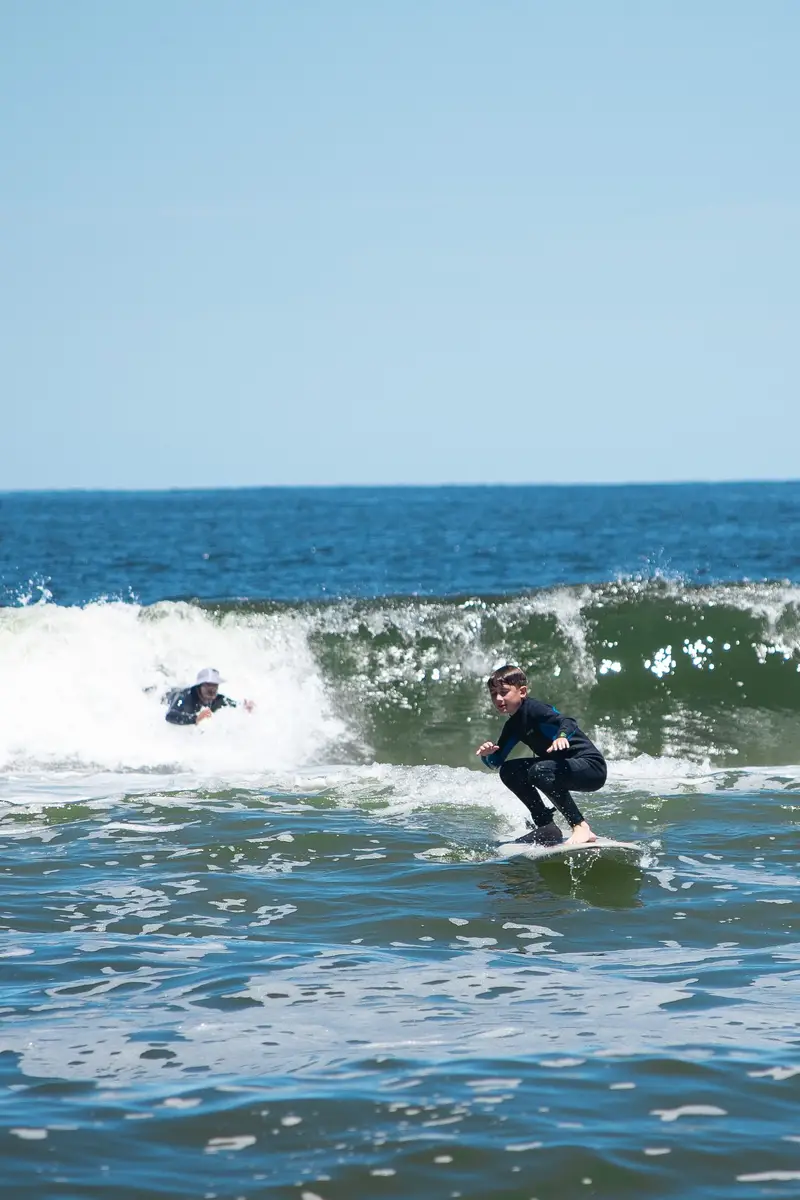
The best time to surf in Punta del Este, Uruguay, is June for experienced surfers seeking clean waves, or December to March for warmer lessons. Offshore waves average about 1.0 to 1.2 m across the year, while the size at each beach depends on its exposure.
Key takeaways: Choose June for El Emir's best historical clean-wave share. Pick March for warm water and a quieter beach than January. Budget 1,500 UYU for a 1-hour surf class with Olas del Este Escuela de Surf.
When is the best time to surf in Punta del Este?
Punta del Este has surf throughout the year, with autumn and winter suited to surfers seeking stronger conditions. June stands out at El Emir: its historical record puts clean, surfable waves at 20% of the time. Summer brings warmer water and busier beaches, especially around January.
In June, El Emir's record also classifies 37% of the time as blown out and 43% as too small for most surfers. Those figures describe wind and wave quality at one break, not the chances of finding a lesson on Playa Brava. Watch the sets and check the entry before paddling out.
September has the highest monthly average offshore wave height, at about 1.2 m. An offshore average describes waves at sea, so it does not tell you the height of breaking waves at Montoya or El Emir. South, southeast and east swells reach different stretches of coast around the peninsula.
For a first trip, March offers a useful balance: average water stays near 22°C and the main January crowds have eased. The Punta del Este surf spot guide explains the breaks, entries and hazards in more detail. Allow time to check the beach even on a short stay.
What is Punta del Este like month by month?
Punta del Este's offshore monthly wave averages range from 3.3 ft in summer to 3.9 ft in September. Water averages about 23°C in February and 12°C in July. January is the busiest part of the beach season, while March and early December are quieter.
The wave figures below are open-sea averages for 2011 to 2020, measured in feet to retain the published precision. The water figures are monthly averages for 1991 to 2020, rounded to the nearest degree Celsius. Neither number describes the breaking waves on a particular day at Playa Brava.
Crowd notes describe the Punta del Este visitor season rather than a count of surfers at a single peak. Early December is quieter than the end of the month, and February is generally less busy than January. Easter can bring a further rise in visitors during March or April.
| Month | Average offshore wave height | Average water temperature | Crowds |
|---|---|---|---|
| January | 3.3 ft | 22°C | Peak season |
| February | 3.3 ft | 23°C | Busy |
| March | 3.7 ft | 22°C | Quieter than January |
| April | 3.8 ft | 20°C | Outside peak season |
| May | 3.7 ft | 17°C | Low season |
| June | 3.6 ft | 14°C | Low season |
| July | 3.7 ft | 12°C | Low season |
| August | 3.7 ft | 12°C | Low season |
| September | 3.9 ft | 13°C | Outside peak season |
| October | 3.8 ft | 15°C | Outside peak season |
| November | 3.5 ft | 18°C | Outside peak season |
| December | 3.3 ft | 20°C | Quieter early, busy late |
Which months suit beginners in Punta del Este?
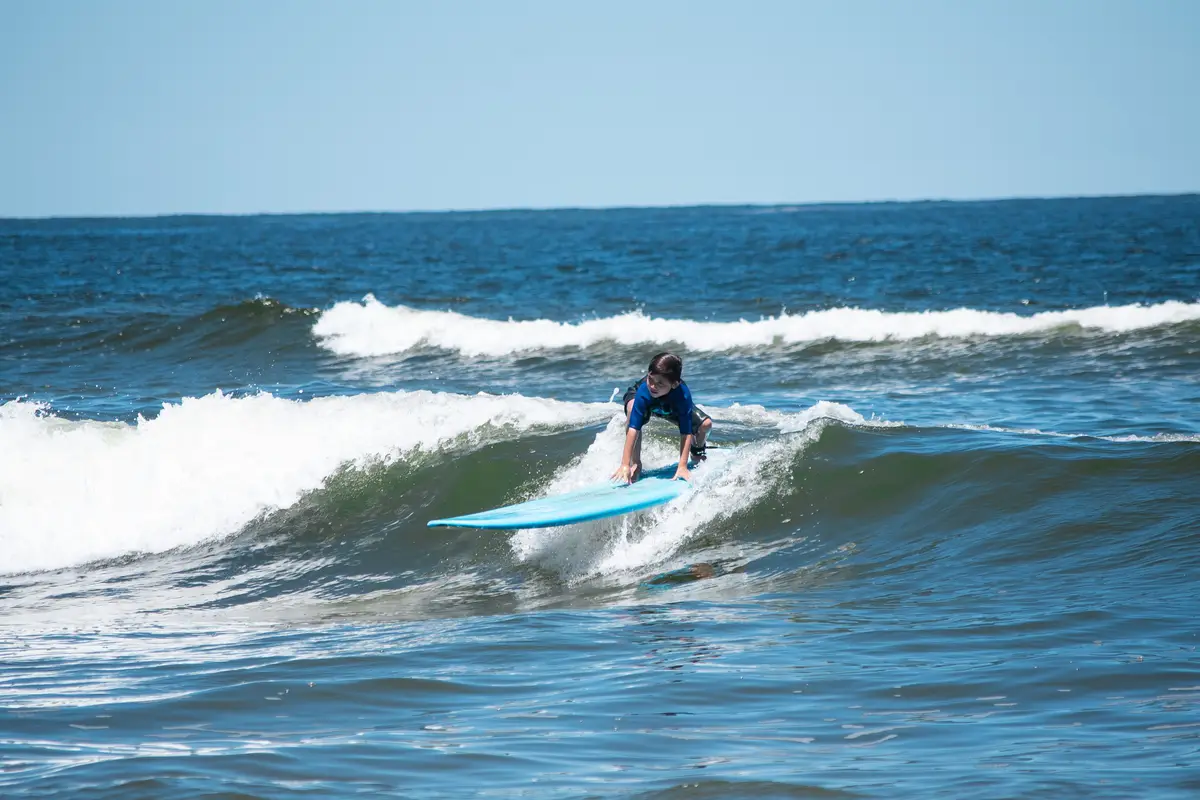
December to March is a practical window for beginners in Punta del Este because the water averages about 20 to 23°C. March combines warm water with fewer visitors than January. Start in small whitewater with an instructor, and choose the beach after checking the day's waves and currents.
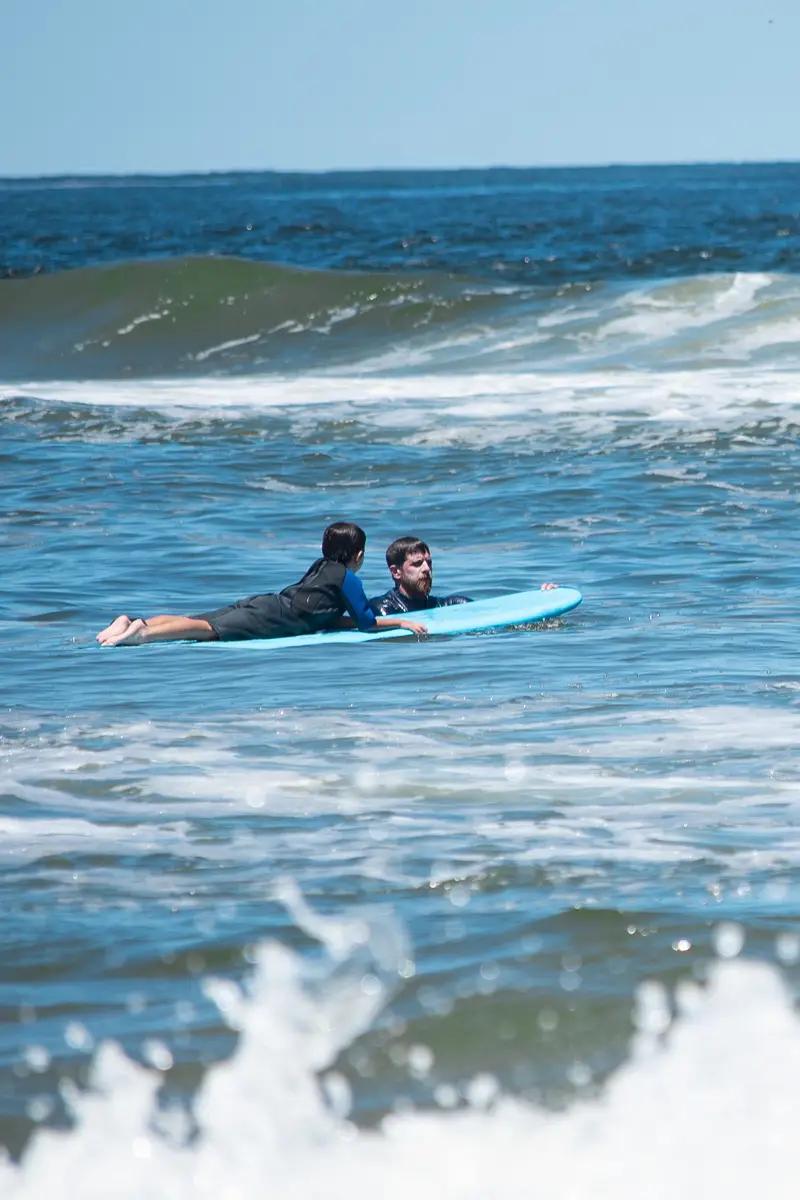
Playa Brava gives beginners room to look for a manageable section, but its Atlantic-facing shore can have strong surf and currents. Stay within your depth and leave space for swimmers. Olas del Este Escuela de Surf can discuss the meeting place and conditions when it responds to a lesson request.
El Emir is close to Avenida Gorlero, yet its submerged wreck, rocks and deeper water call for experience. Montoya, about 13 km east of central Punta del Este, can produce powerful waves around 2 m. Confident surfers can inspect those breaks from shore before choosing an entry.
La Barra sits across the Leonel Viera bridge, where shifting sandbanks shape the waves near the river mouth. Bikini, farther east near Manantiales, has a rock-influenced takeoff. Use the Punta del Este beach and break notes to choose places to inspect for your level.
- Playa Brava: look for small whitewater and take local instruction for a first session.
- El Emir: watch the lefts and rights, then locate the submerged wreck before entering.
- Montoya and Bikini: check the sets and rocks if you have experience in stronger surf.
How warm is Punta del Este water, and what should you wear?
Punta del Este water temperature averages about 23°C in February and 12°C in July. A light suit can be comfortable in summer, while winter surfers should pack a 5/4 mm wetsuit and booties. The water cools through autumn and warms again during spring.
March averages about 22°C, then April drops to about 20°C and May to 17°C. A short suit or light full suit can work during the warmer months; a 4/3 mm suit gives more insulation as the water cools. Choose thickness for your own tolerance and session length.
June averages about 14°C, and July and August sit near 12°C. A hood adds warmth on windy winter days. By November the average has risen to about 18°C, making a 3/2 mm full suit a useful starting point for packing.
Punta del Este weather also shapes how warm a session feels once you leave the water. The peninsula has an average daytime high around 25°C in February and 14°C in July. Pack a dry layer for the trip back from Playa Brava, especially during the colder months.
What can you do on a flat day in Punta del Este?
On a flat day in Punta del Este, walk the peninsula from La Mano to the port and lighthouse, then finish on Playa Mansa. The route covers about 4 km. La Mano stands on the Brava side, while Mansa faces the calmer water west of the peninsula.
The lighthouse dates from 1860 and stands near Plaza de la Candelaria. From the port, walk along Avenida Gorlero toward the central shops and Plaza Artigas. At sunset, Playa Mansa faces Isla Gorriti, giving you a different view from the Atlantic side where El Emir breaks.
A trip across the Leonel Viera bridge takes you to La Barra, with Montoya farther east along Ruta 10. A car makes it easier to carry a board and check more than one beach. For a place to stay near the break you prefer, see the Punta del Este accommodation guide.
In winter, the peninsula is quieter than in January, and southern right whales pass the coast between July and October. Bring a warm layer for a walk beside Playa Mansa. If you have extra time on the coast, the Uruguay surfing overview gives context for a longer trip.
How do you book a lesson in Punta del Este?
To book a Punta del Este surf lesson, send a request to Olas del Este Escuela de Surf on kitesurfing.me. The school confirms the request, and you pay at the school. A 1-hour surf class costs 1,500 UYU; the 3x2 deal costs 3,000 UYU for 3 hours.
The marketplace lists one school teaching surfing in Punta del Este. Choose the 1-hour class for a shorter introduction, or the 3-hour deal if you want more lesson time. Send your preferred dates and experience level through the Olas del Este Escuela de Surf page.
For a March trip, mention that you are looking for small waves and ask the school where to meet. In June, bring your winter suit plans into the conversation, since the sea averages about 14°C. The school can respond with the details for your requested session.
Before entering the water at Punta del Este, follow lifeguard directions and the beach flags. A red flag prohibits bathing, and a red marker on shore can indicate a dangerous current. Keep your board away from swimmers and give other surfers room at the takeoff.
What is Punta del Este weather like during surf season?
Punta del Este has warm summers and cool winters, with rain throughout the year. The peninsula's average daytime high is around 25°C in February and 14°C in July. Pack a dry layer for the wind, and choose your wetsuit for the sea temperature as well as the air.
What does a 12-second wave period mean in Punta del Este?
A 12-second wave period is the time between successive wave crests. At Punta del Este, read it alongside swell direction, height and wind when choosing a beach. Watch several sets from shore: El Emir and Montoya face different stretches of coast and can respond differently to the same swell.
How do you reach Punta del Este with a surfboard?
Punta del Este's Laguna del Sauce airport is about 20 km from the peninsula. Buses travel east from Carrasco airport, and a taxi or vehicle with board space is useful for the final transfer. Check airline baggage rules and the bus operator's board policy before departure.
Do you need a car for a Punta del Este surf trip?
A car is optional if you stay near central Punta del Este and El Emir. It becomes useful for carrying a board to Montoya, about 13 km east, or checking La Barra and nearby beaches. Choose a base using the Punta del Este accommodation guide.
What should surfers do if caught in a Punta del Este current?
Stay calm, signal for help and avoid swimming against the current. Maldonado lifeguards advise floating while waiting for help or moving parallel to shore. Before a Playa Brava session, identify the lifeguard post, follow its directions and look for red markers indicating dangerous currents.