Punta del Este Surf Accommodation: A Guide to 3 Bases
Punta del Este surf accommodation comes in 3 useful bases. Weigh beach access, transport and lesson costs to find the right place to stay and plan.
Punta del Este surf accommodation works best on the Península for a first trip, near Playa Brava for beach access, or in La Barra for Montoya. In Punta del Este, Uruguay, choose the Península if you want central services and a short walk to El Emir. Choose the eastern beaches if you plan to surf there most days.
Key takeaways: Stay near Gorlero for El Emir and central services. Pick a specific Playa Brava parada before booking. Choose La Barra for easier access to Montoya and Bikini.
Is the Península a good surf base in Punta del Este?
The Península is a practical first base in Punta del Este, especially without a car. El Emir lies one block from Avenida Gorlero, and the central area puts shops, restaurants and the bus terminal within reach. Check the exact address against both the beach and the terminal before choosing a room.
El Emir has left and right waves, but its central address needs to be weighed against the entry. Rocks, deep water and a submerged wreck make it better suited to experienced surfers. Watch several sets from shore, locate the hazards and follow lifeguard directions before deciding where to paddle.
A stay near Gorlero also gives you access to both sides of the peninsula. Playa Brava faces the Atlantic, while Playa Mansa faces the more sheltered Río de la Plata side. For a first lesson, ask the school where conditions suit your ability instead of choosing a beach solely by walking distance.
The Península has hotels, apartments and hostels, giving visitors a choice of room types near central Punta del Este. Ask about board storage before reserving, particularly if you want to walk to El Emir carrying your own equipment. The Punta del Este surf spot guide has more detail on breaks and hazards.
Where near Playa Brava should surfers stay in Punta del Este?
Stay near an early Playa Brava parada for a shorter trip to central Punta del Este, or look farther east for a more residential setting. The beach faces the Atlantic and stretches away from the peninsula. A numbered parada is useful for checking how far an address sits along the coast.
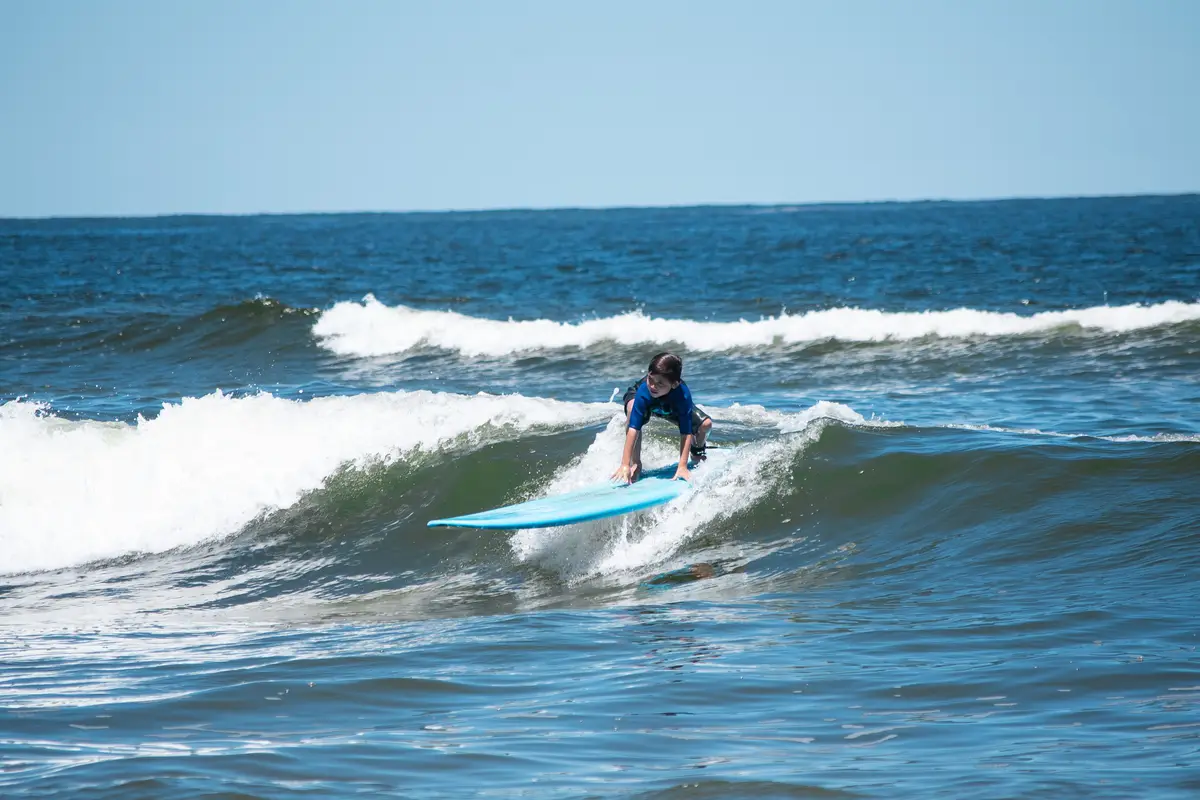
Playa Brava can suit beginners when the waves are small and the entry is clear. Take a lesson in manageable whitewater, stay away from swimmers and ask about currents before entering. More experienced surfers can inspect the peaks along the beach, since the size and shape change with the conditions.
Look beyond the words "near Playa Brava" when choosing accommodation. Find the property on a map, identify its closest beach access and check the route to food shops and transport. A room near Parada 2 puts you closer to the peninsula than one near San Rafael, farther along the Brava coast.
| Punta del Este area | Beach or landmark | Practical detail |
|---|---|---|
| Península | El Emir | One block from Avenida Gorlero; rocks and a submerged wreck require care. |
| Playa Brava | Parada 2 | An early numbered stop on the ocean-facing coast, close to the central area. |
| La Barra | Montoya | On Ruta 10, about 13 km from central Punta del Este. |
December to February brings the busiest beach period to Punta del Este. Give swimmers space, check the flags and follow the lifeguards' instructions. If a red flag is flying, stay out of the water. A red marker on the shore can also identify a dangerous current.
Should Punta del Este surfers stay in La Barra?
La Barra is a useful base for Punta del Este surfers who want to spend most of their time near Montoya and Bikini. Montoya sits on Ruta 10, about 13 km east of the center. Staying east of the Leonel Viera bridge reduces the need to cross it for each beach visit.
Montoya has a broad sandy beach, rocky sections and powerful left and right waves. Bikini, near Manantiales, has a rock-influenced takeoff and can produce long, strong waves. Both are better choices for confident surfers who can assess the sets, rocks and crowd before choosing an entry.
La Barra's sandbanks also change around the mouth of Arroyo Maldonado. Walk down and inspect the current and the peaks before carrying your board to the water. If your group includes a first-time surfer, arrange a suitable lesson location rather than assuming the nearest break will suit everyone.
An eastern base puts more distance between you and the Península's bus terminal and concentration of services. Check the address against Montoya, a food shop and your transport route. In July, check opening days before committing to a long stay, since La Barra is more seasonal than central Punta del Este.
How can you stay in Punta del Este without a car?
Without a car, choose a central Punta del Este address near the Península, the bus terminal and your preferred beach. El Emir is close to Avenida Gorlero, while buses connect the central area with La Barra. Check the current route and return times for your dates before choosing a farther coastal address.
Punta del Este's terminal sits at the base of the peninsula, a useful landmark when selecting a room. Map the walk with your luggage as well as the walk to the beach. A property close to the terminal can make arrival simpler, while a place nearer El Emir shortens the trip with a board.
Montoya is about 13 km from central Punta del Este, so a day there needs more planning than a walk to El Emir. Check with the bus operator about carrying your board and find the return stop before leaving. A taxi or a vehicle with enough board space is another option.
If you are arriving through Carrasco airport, buses travel east toward Punta del Este. Punta del Este's Laguna del Sauce airport is about 20 km from the peninsula. Check the airport transfer, final stop and luggage arrangements for your travel date, then choose accommodation that makes the last leg manageable.
What should Punta del Este visitors check with a surfboard?
Before traveling to Punta del Este with a surfboard, check baggage rules with your airline and board carriage with each ground transport operator. Ask your accommodation about secure storage and a place to dry equipment. The answers matter on both a central stay and a trip to Montoya, 13 km east.
Send the board's length and packed dimensions when asking about transfers from Laguna del Sauce or Carrasco. For a rental vehicle, check how the board will fit before collecting the keys. At your accommodation, ask whether you can carry it through shared areas and where you can rinse it after a session.
Pack for the water temperature as well as the journey. Punta del Este averages about 23°C in February and 12°C in July. A light suit can suit summer sessions; a 5/4 mm suit and booties are useful in winter. Leave room for damp equipment when moving between your room and the beach.
Autumn and winter bring stronger average offshore waves than summer around Punta del Este. Offshore averages are about 0.9 m in summer and 1.2 m in winter, while breaking waves vary by beach. Read the Punta del Este season guide before choosing dates and equipment.
Where can you book surfing in Punta del Este?
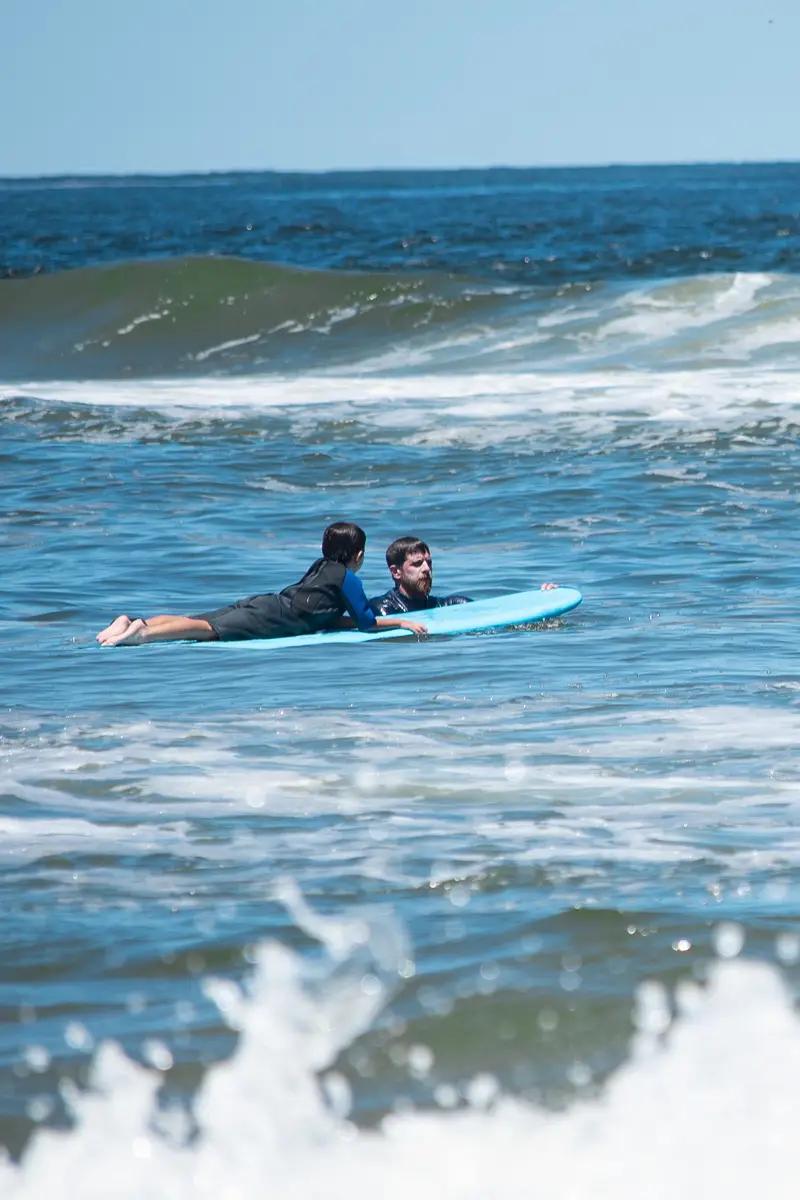
You can request a Punta del Este surf class with Olas del Este Escuela de Surf through its school page. The listed 1-hour class costs 1,500 UYU, and the 3x2 deal costs 3,000 UYU for 3 hours. Send a request, wait for the school's confirmation and pay at the school.
For a first session in Punta del Este, tell the school your experience and where you are staying. Ask about the meeting place and what to bring before setting out from the Península or La Barra. The Olas del Este Escuela de Surf page is where you can send your request.
The 1-hour class gives you a shorter introduction, while the 3x2 deal provides 3 hours for twice the listed single-class price. Check the deal's arrangements with the school when requesting it. Punta del Este's waves and entries vary, so a lesson location should fit the conditions and your experience.
Kitesurfing.me lists one school teaching surfing in Punta del Este. For beach descriptions before you choose a base, use the Punta del Este surfing page. The Uruguay surfing overview provides wider context if you are considering another stop on the same trip.
Which Punta del Este area suits a first-time surfer?
The Península or an early Playa Brava parada is a practical first base in Punta del Este. Both put central services within reach, and Playa Brava has space to seek small whitewater with guidance. El Emir is close to Gorlero, but its rocks and submerged wreck call for an experienced approach.
Is Playa Mansa or Playa Brava better for a surf stay?
Playa Brava is the more direct choice for an ocean-facing surf stay in Punta del Este. Playa Mansa faces the more sheltered Río de la Plata side and suits visitors who value calmer water. An address near the peninsula lets you reach both shores while keeping central services close.
How much should I budget for a surf lesson in Punta del Este?
Olas del Este Escuela de Surf lists a 1-hour Punta del Este surf class for 1,500 UYU and a 3x2 deal for 3,000 UYU covering 3 hours. Send a request through the school page. The school confirms the request, and you pay at the school.
Where should I stay for a winter surf trip to Punta del Este?
The Península is a practical winter base in Punta del Este because central services remain accessible in July. The sea averages about 12°C that month, so pack a suitable winter wetsuit. Check your accommodation's heating, equipment storage and transport arrangements before booking, especially for trips east to Montoya.
When should I reserve a summer stay in Punta del Este?
For a December to February trip to Punta del Este, start looking early and check the exact cancellation terms before reserving. January is a busy month on Montoya and Bikini. Choose an address with a manageable route to your beach, then check the surf season guide for water and wave conditions.