
Best Time to Surf in Salvador: A Month-by-Month Guide
Find the best time to surf in Salvador with 12 months of wave and water data, beginner beaches, Salvador weather and lesson prices.
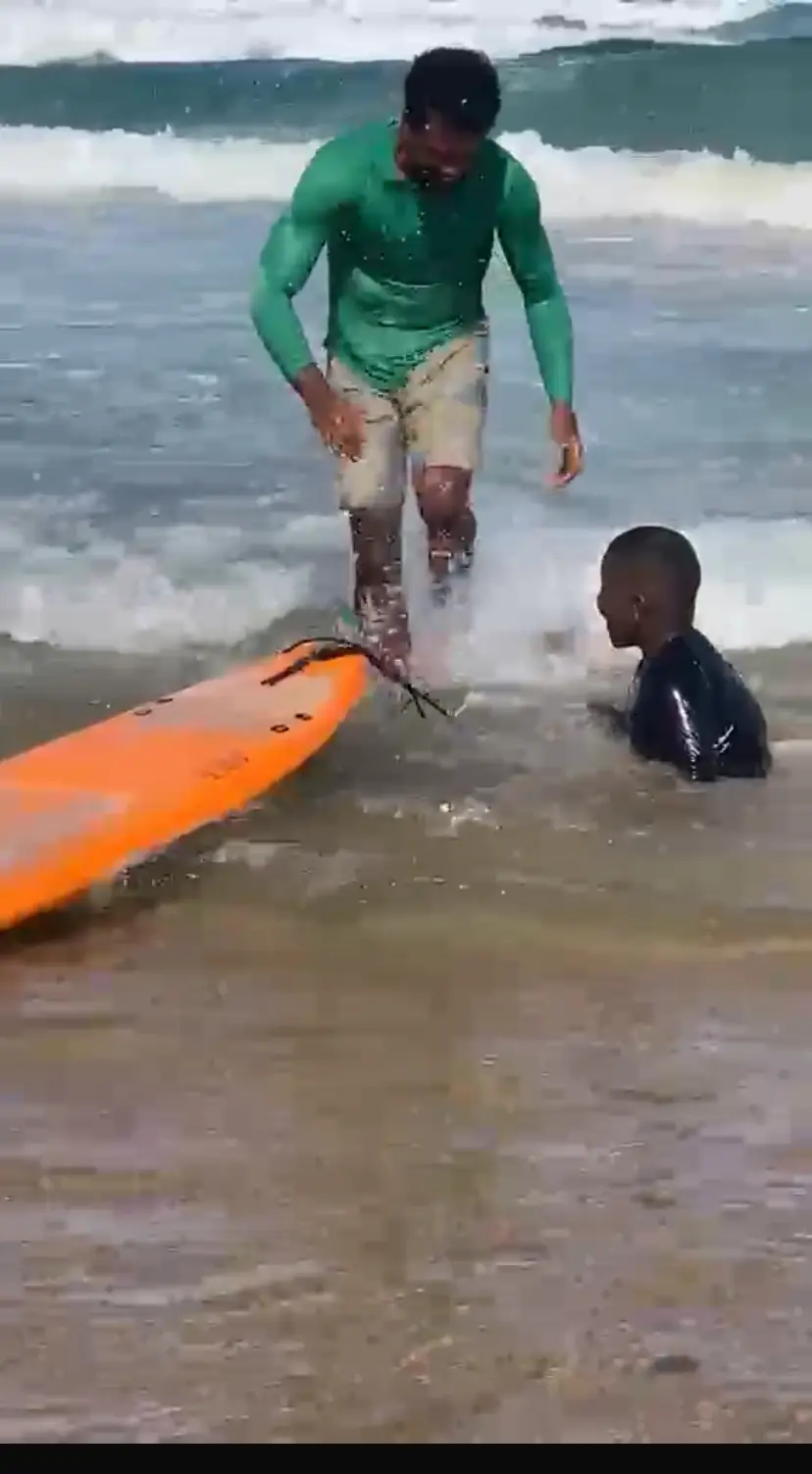
The best time to surf in Salvador, Brazil, depends on your experience and the waves on the day. For experienced surfers, May, August and September are the highest-rated months in one published Salvador surf dataset. Beginners should choose a small day and a beach suited to their ability. Kitesurfing.me lists 3 schools teaching surfing in Salvador. Onda Surf School lists a 1.4-hour lesson for EUR 50.
Key takeaways: Experienced surfers can start with May, August or September when choosing dates. Beginners should look for a small day at Jaguaribe or Piatã. Salvador's water stays warm, but rain and daily surf conditions still shape a trip.
When is the best time to surf in Salvador?
May, August and September are the highest-rated months for Salvador in one published surf dataset. May scores 9.4, September 9.2 and August 8.8. The rating method and observation period are unspecified, so treat the scores as one starting point for planning rather than a guarantee of good surf.
May has a published monthly wave expectation of 4 to 5 feet. September's range is 3.5 to 4.5 feet, and August's is 3.5 to 5 feet. These ranges describe expectations across a month, not the height you will find at a particular beach or on a particular morning.
The cooler months bring south to southeast swell to Salvador's Atlantic coast. September is worth considering if you want a high monthly rating with less average rain than May. For beach descriptions and skill levels, read the Salvador surf spot guide before settling on a place to stay.
Salvador weather matters when you plan time outside the water. April, May and June each average at least 200 mm of rain, while December and January each average under 100 mm. Rainfall averages cannot tell you whether a particular week will be wet, so leave room in your schedule.
Warmer months bring more north to east swell to the exposed Atlantic beaches. Wind, tide and sandbars affect how those waves break. At Stella Maris, look for west to northwest wind and inspect the rocky sections before choosing an entry. Check the forecast again shortly before your session.
What is Salvador like month by month?
Salvador has surf throughout the year, with published monthly wave expectations spanning 2.5 to 5 feet. Average sea temperatures range from 25.6°C in August to 28.6°C in April. The table helps you choose travel dates, but it cannot predict the surf at your chosen beach.
The wave ranges are published monthly expectations in feet, not measurements of every breaking wave. The water figures are monthly averages based on ten years of data. A lower figure in either column does not mean every day will feel the same, so check local conditions once you arrive.
May and June share the largest listed range, at 4 to 5 feet. March and December start at 2.5 feet, though their upper expectations reach 4.5 feet. If you are learning, use these figures to choose a broad travel window, then ask an instructor where to find manageable waves.
| Month | Monthly wave expectation | Average water temperature |
|---|---|---|
| January | 3 to 4.5 ft | 27.4°C |
| February | 3 to 4.5 ft | 28.0°C |
| March | 2.5 to 4.5 ft | 28.5°C |
| April | 3 to 4.5 ft | 28.6°C |
| May | 4 to 5 ft | 27.7°C |
| June | 4 to 5 ft | 26.7°C |
| July | 3 to 4.5 ft | 25.9°C |
| August | 3.5 to 5 ft | 25.6°C |
| September | 3.5 to 4.5 ft | 25.8°C |
| October | 3.5 to 5 ft | 26.2°C |
| November | 3 to 4.5 ft | 26.5°C |
| December | 2.5 to 4.5 ft | 26.9°C |
Which months suit beginners in Salvador?
January, February and December are months for beginners to consider in Salvador because they have the lowest relative surf ratings in the dataset. January still has a published wave expectation of 3 to 4.5 feet. Choose a small day at Jaguaribe or Piatã and inspect the beach before entering.
A low monthly rating does not mean every day will be gentle. At Jaguaribe, shifting sandbars affect where waves break, and the lineup can be busy. Watch several sets from shore and look for a clear way back to the beach. If you cannot judge the conditions, ask an instructor.
Piatã is another option when the surf is small. For a first session, choose whitewater within your depth and tell your instructor about any swimming concerns. A lesson gives you a chance to practise paddling and standing in an area selected for the day's conditions.
Experienced surfers have other choices. Barra Vento can produce strong waves over a sandbar, while Farol da Barra is a rocky left that needs substantial south swell. Stella Maris also has rocky sections. The Salvador beach guide gives more context for choosing a break.
Before surfing at Jaguaribe or Piatã, check the latest water-quality result for the beach section you plan to use. Follow signs and lifeguard directions. Give a surfer already riding enough room to continue, and avoid paddling into their path. If the waves look too strong, stay on shore.
A beginner travelling in a highly rated month can still look for a lesson, but should keep the timing flexible. Tell the school your experience before booking and ask what happens if the chosen beach is too rough. The answer helps you plan around conditions instead of relying on a monthly score.
How warm is Salvador's water and what should you wear?
Salvador's average sea temperature ranges from 25.6°C in August to 28.6°C in April. A rash vest provides sun protection in the warm water, while a light wetsuit can add comfort during a long session. Bring drinking water and sun protection for time spent on the beach.
The sea averages 27.7°C in May, 25.8°C in September and 26.9°C in December. These are monthly averages, not readings for your lesson. Your comfort will also depend on how long you stay in the water, so consider extra coverage if you expect a long session.
Salvador stays warm on land too, though rain is part of trip planning. Pack a light rain layer for journeys between the beach and your accommodation, especially from April to June. A dry change of clothes is useful after a session, particularly if you have a longer ride back from Stella Maris.
Keep your sun protection and water accessible rather than buried inside a board bag. If you rent equipment for a lesson, ask the school what it supplies and what you should bring. That also gives you a chance to confirm the meeting point before setting off.
What can you do on a flat day in Salvador?
On a flat day in Salvador, visit Pelourinho in the historic centre or walk around Farol da Barra. Salvador has surf in all 12 months, but a monthly expectation cannot promise waves on your chosen day. Leave your board at your accommodation and take comfortable shoes for exploring.
The historic centre overlooks the Bay of All Saints and has streets and buildings dating from the colonial period. Barra is a base for city sights, while Stella Maris and Praia do Flamengo put you nearer the northern Atlantic beaches. Think about that journey when you choose where to stay.
Staying near your lesson beach can make a surf morning easier, especially when you have a board to carry. For accommodation ideas, see the Salvador surf hostel guide. Confirm the lesson meeting point before choosing a room solely for its distance from a beach.
If you have time for another stop, explore surfing destinations in Brazil and allow travel time between places. You can also read about surfing in Rio de Janeiro or surfing in Armação dos Búzios when planning a longer route.
Keep a spare day open if surfing is the main reason for your trip. It gives you another chance to arrange a lesson when the surf suits your level. For ideas beyond this city, the surfing guides cover other destinations and can help you plan the rest of your journey.
How do you book a lesson in Salvador?
To book a Salvador lesson, send a request to Onda Surf School on kitesurfing.me, wait for confirmation, then pay at the school. Its listed confidence lesson lasts 1.4 hours and costs EUR 50. Share your experience and preferred dates so the school can respond to your needs.
The listed lesson is called "No pushes - Surf lesson to be confident on surf." It is an option for a visitor who wants to build confidence in the water. Ask Onda Surf School to confirm the meeting place and what equipment is included before your session.
Across the 3 schools listed here, consider where you will stay and how you will reach the beach before sending a request. If you are new to surfing, ask whether Jaguaribe or Piatã suits the expected conditions. Your instructor can help choose the practice area on the day.
If you land at Salvador Bahia Airport with a board, arrange a taxi or vehicle with enough space for the bag. Tell the driver its length when booking. A free shuttle connects the airport and Aeroporto metro station, although you should check whether your board bag can travel with you.
The airport shuttle runs from 4:50 a.m. to 12:50 a.m. The published interval is 10 minutes during stated peak periods and 15 minutes at other times. The shuttle itself is free; passengers leaving the airport pay the metro fare when entering the station.
Allow time to get from the station to your accommodation, particularly if you are carrying gear. Before you travel, confirm baggage rules with your airline and your onward transport provider. If you plan to rent a board instead, ask the school about availability when you request your lesson.
Where is the best place for beginner surfers in Salvador?
Jaguaribe and Piatã are practical places for beginners in Salvador on small days. Jaguaribe has shifting sandbars and can have a busy lineup, so find a section with room to practise. Check the latest water-quality result and watch several sets before entering, or arrange a lesson for local guidance.
What does a 12-second wave period mean in Salvador?
A 12-second wave period means roughly 12 seconds pass between successive wave crests at the measurement point. In Salvador, the period describes incoming swell rather than the height of the breaking wave. Read it alongside swell direction, tide and wind, then inspect conditions at the beach before paddling out.
Do surfers need to be tall or short in Salvador?
Surfers of different heights can learn in Salvador. A board with enough volume can make paddling and balance easier while you practise on small waves at Jaguaribe or Piatã. Tell your instructor about your experience and any swimming concerns so the board and practice area suit your session.
Which Salvador break suits experienced surfers?
Barra Vento and Farol da Barra suit experienced surfers in Salvador. Barra Vento can produce strong waves over a sandbar, while Farol da Barra is a rocky left that needs substantial south swell. Inspect the entry and exit, watch the lineup and decide whether the day's conditions suit your ability.
Is Salvador in Brazil the same place as El Salvador?
Salvador is a city in Brazil, while El Salvador is a separate country in Central America. Salvador is the capital of Bahia and sits beside the Atlantic Ocean and the Bay of All Saints. Check the destination when booking flights or reading surf advice, since the seasonal guidance concerns different coastlines.