El Zonte vs El Tunco Surf: A Guide to Both Bases
El Zonte vs El Tunco surf offers 2 distinct bases. Choose between village evenings and nightlife, and plan for waves, lessons and transport.
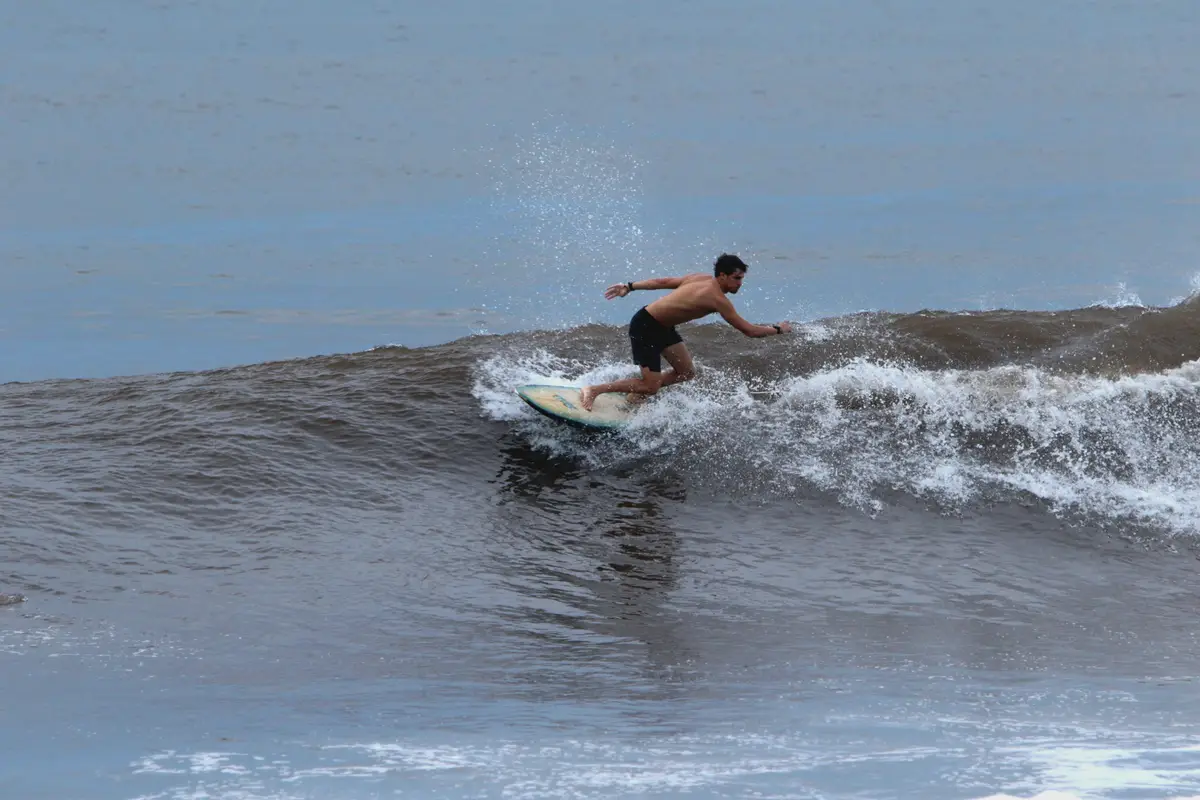
For El Zonte vs El Tunco surf, choose El Zonte, El Salvador, for quieter evenings and a choice of point and beach breaks. Choose El Tunco for bars and the long right at nearby El Sunzal. The towns are roughly 10 to 20 minutes apart by car, so either base leaves room to visit the other.
Key takeaways: Stay in El Zonte for quieter evenings and several wave types. Pick El Tunco for bars and access to El Sunzal. Check the swell before choosing a break, and request a 50 USD beginner or intermediate session in El Zonte before your trip.
El Zonte vs El Tunco surf: how do the breaks differ?
El Zonte has a rocky right-hand point, a river-mouth left and a sandy beach break. Near El Tunco, El Sunzal provides a long right, while La Bocana is known for its left. El Zonte Point can reach about 3 metres on a large swell, so check conditions before choosing an entry.
At El Zonte Point, the right runs along the rocky headland. Experienced surfers can work on turns along the face, while the cliff and exposed rocks demand attention. A rising tide toward high water provides more clearance over the rocks. Watch several sets from shore and identify a route back to the beach before paddling out.
West of the point, El Zonte's river mouth produces a faster left over rock. Farther along, the sandy beach break has shorter peaks that can turn steep. El Sunzal's long right can feel gentler on a small day, although the paddle and rocky shore still need care. The El Zonte spot guide describes the local breaks.
For smaller regional waves, consider December through February. March through November receives the highest regional wave-expectation ratings, but a larger swell can make either area's breaks demanding. Use the month-by-month El Zonte guide to plan dates, then check each break's forecast.
The figures below describe regional monthly wave expectations for El Zonte and El Palmarcito. They are planning ranges, not a forecast for a particular day or a promise of waves at the beach. Tide, wind and the direction of a swell can change how each break looks when you arrive.
| Month | Regional wave expectation | Planning note |
|---|---|---|
| January | 0.8 to 1.3 metres | Smaller regional range |
| February | 0.8 to 1.3 metres | Smaller regional range |
| March | 1.0 to 1.4 metres | Higher wave-expectation rating |
| April | 1.1 to 1.5 metres | Higher wave-expectation rating |
| May | 1.1 to 1.6 metres | Highest monthly rating |
| June | 1.2 to 1.6 metres | Highest monthly rating |
| July | 1.1 to 1.6 metres | Highest monthly rating |
| August | 1.0 to 1.5 metres | Higher wave-expectation rating |
| September | 1.0 to 1.5 metres | Higher wave-expectation rating |
| October | 1.0 to 1.4 metres | Higher wave-expectation rating |
| November | 1.0 to 1.4 metres | Higher wave-expectation rating |
| December | 0.8 to 1.3 metres | Smaller regional range |
Which El Zonte or El Tunco wave suits your ability?
Beginners should seek small whitewater at El Zonte's beach break or a suitable inside wave near El Tunco. Intermediate surfers can consider El Zonte Point and El Sunzal when the swell fits their skills. On larger days, the rocky point and river-mouth waves call for stronger paddling and experience.
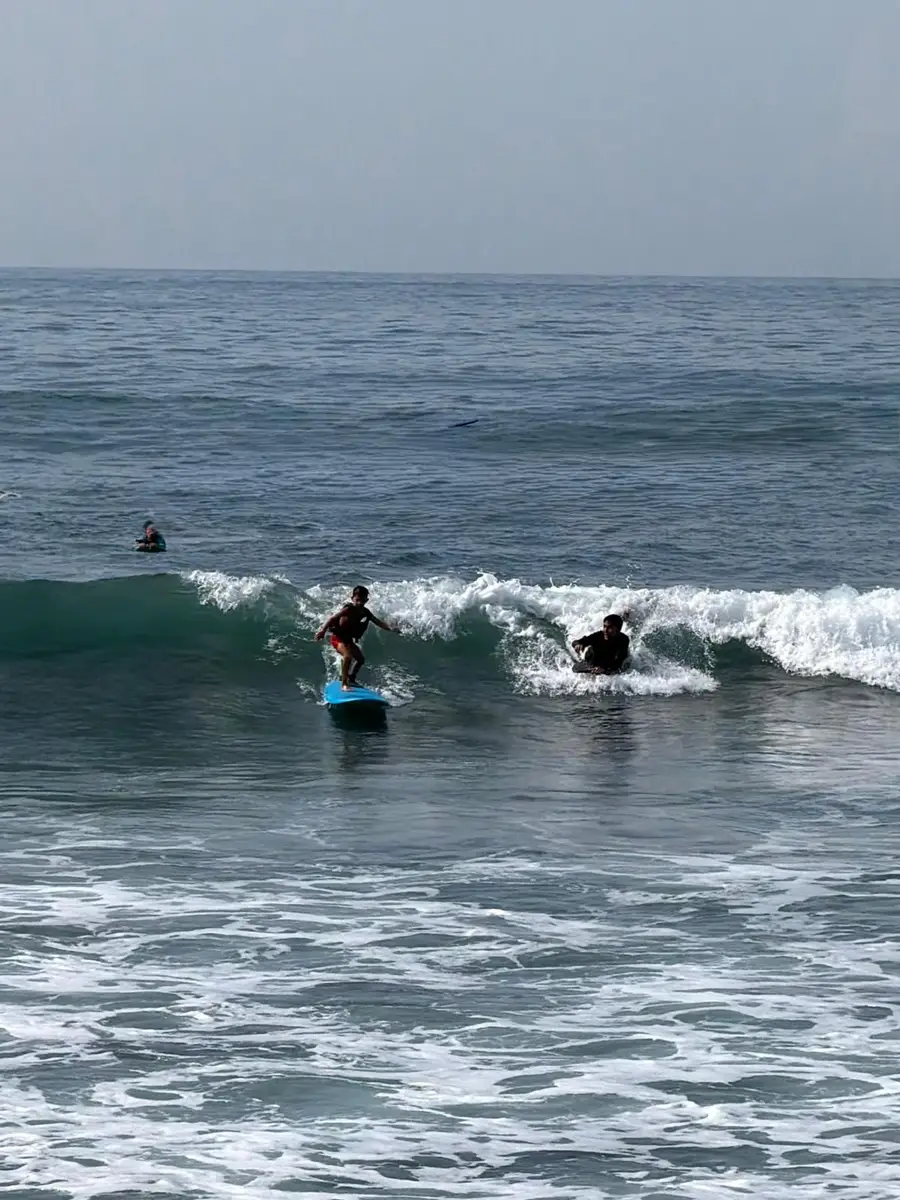
A first lesson in El Zonte starts with the day's conditions. Ask a coach to assess the wave size, currents and space before entering. The sandy bottom at the beach break helps with footing, but its peaks can still break quickly. Keep your board under control and give swimmers room.
At El Tunco, El Sunzal can suit progressing surfers when the swell is small. Getting there from town involves a walk along the cobblestone beach, followed by a paddle to the point. La Bocana has a more powerful reputation and suits surfers who can read a fast wave and handle a rocky setting.
| Break | Wave and bottom | Practical choice |
|---|---|---|
| El Zonte beach break | Short peaks over sand | Beginners in small whitewater with a coach |
| El Zonte Point | Right over rock | Intermediate and advanced surfers |
| El Zonte river mouth | Left over rock | Experienced surfers comfortable with fast waves |
| El Sunzal | Long right-hand point | Progressing surfers on smaller days |
| La Bocana | Powerful left near El Tunco | Experienced surfers |
Treat the table as a starting point, not a guarantee that a break will suit you on arrival. A wave that feels manageable on a small morning can become a much harder paddle when swell builds. If you are new to the sport, read the surfing lesson guide and tell your coach what you can already do.
Where are the lineups busiest near El Zonte?
El Sunzal can be busy with local surfers, visitors and learners. El Zonte's point can also have a crowded takeoff when conditions are good, so check each lineup on the day. El Zonte has three local setups, but their suitability changes with the swell and with your own experience.
At El Sunzal, a long wave can hold several surfers along its length, but the takeoff still needs attention. Watch how people enter the lineup and wait for a clear wave. A quieter village stay in El Zonte does not make its point an empty lineup, especially when the waves are good.
Give priority to the surfer closest to the breaking part of the wave at El Zonte Point. Paddle around a rider's path and keep hold of your board, especially in crowded whitewater. If the point looks too busy for your ability, check the beach break or arrange a session with a coach who knows the local entry.
Spend a few minutes on shore before joining either lineup. Look for the takeoff area, the path surfers use to paddle out and the place they return to land. If you cannot see a clear route through the rocks or other surfers, ask a local coach for advice before entering.
Is El Zonte quieter than El Tunco at night?
El Zonte is the quieter base, while El Tunco has more bars and a stronger nightlife scene. The towns are around 10 to 20 minutes apart by car, so you can sleep near El Zonte's beach and visit El Tunco for an evening. Arrange your return ride before going out.
El Tunco's compact streets put food, drinks and the beach close together. Its black sand and offshore rock provide a landmark for meeting friends after a surf. If you want evenings within walking distance of bars, staying in town avoids arranging a ride after dinner. Ask your accommodation about nearby noise when choosing a room.
El Zonte has a smaller village feel and puts the point, river mouth and beach break close to a stay near the water. Check the route from your accommodation to the break you want to use, particularly if you plan to carry a board. A shorter walk can make an early surf check easier.
Your budget may also shape the choice. A local travel guide lists El Zonte lunches at 3 to 5 USD and beachfront double rooms at 130 to 210 USD. Those are examples, not fixed prices or quotes for every property. Check current rates and the exact location before you book.
How do you travel from El Zonte to El Tunco with a board?
A taxi or arranged transfer is the easiest way to move a surfboard between El Zonte and El Tunco. Allow roughly 10 to 20 minutes for the drive and tell the driver your board's length when arranging the ride. Bus 192 also serves the coastal route, but board space can be an issue.
A local travel guide lists the bus fare at 0.60 USD; confirm the current fare and board space before boarding. Carry small change and ask where to get off for your accommodation. A board bag adds bulk on a bus, so a taxi is useful when travelling with several boards or luggage.
From El Salvador International Airport, an arranged transfer to El Zonte takes roughly 45 minutes to an hour. Ask for space for board bags when you reserve the vehicle. The local guide lists airport shuttles at 30 USD shared or 60 USD private. Confirm the current quote, luggage allowance and pickup details with your driver.
A car also makes it easier to visit K59, K61 and other breaks west of El Zonte. For a village-based stay, a transfer and occasional taxi can cover the main journeys. Agree the fare and board arrangements before departure, including whether the vehicle can carry every passenger and bag.
If you plan to stay longer or move along the coast, use the El Salvador surfing guide to find other areas. Leave time to check the entry at each new break. A short drive between towns does not tell you whether the waves will suit your level on that day.
Where can you book surfing in El Zonte?
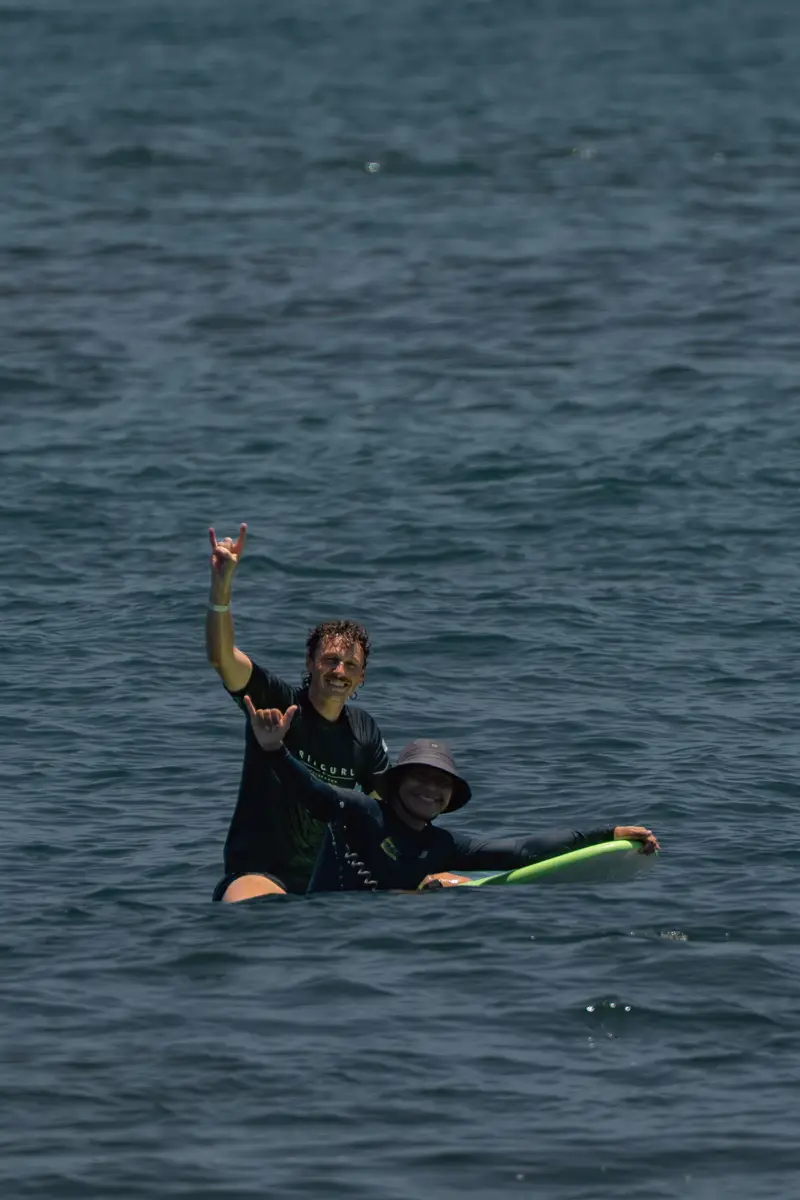
kitesurfing.me lists one surfing school in El Zonte: Jeffrey Surf Coach. Its beginner and intermediate sessions each cost 50 USD for one hour. Send a booking request through the school page, wait for the school to confirm it, and pay at the school. Choose the session that fits your experience.
The beginner session includes personal coaching, a rashguard and a foam board sized to the student. It is a practical choice for a first session in El Zonte's small beach-break whitewater. Tell the school about your experience when you request a time, and discuss the day's surf before entering the water.
The intermediate session includes a board matched to your goals and costs the same 50 USD for one hour. Use it to work on a specific part of your surfing, such as reading the wave or making turns. See Jeffrey Surf Coach's sessions and the El Zonte surfing page for the local breaks.
Because the marketplace lists one school in El Zonte, the listed price describes that school's sessions rather than every lesson available in town. Ask about availability for your dates and whether the planned conditions suit your level. The surf lesson listings can help if your trip also includes another destination.
For a beginner, a smaller regional wave range in December, January or February may be a useful starting point for choosing dates. It cannot guarantee small waves during your lesson. Share your dates and experience with the coach, then check the forecast close to the session.
Is El Zonte or El Tunco the nicest beach town in El Salvador?
El Zonte suits travellers who value a quieter village, while El Tunco suits those who want bars close to the beach. El Zonte has a point, river-mouth left and beach break. The towns sit roughly 10 to 20 minutes apart by car, making a visit to both practical.
How do you get from San Salvador to El Zonte?
From San Salvador, take an arranged transfer or taxi to El Zonte on the Pacific coast. Tell the driver in advance if you have a surfboard, and agree the fare and vehicle space before setting off. Give the driver your accommodation details and ask where to meet for pickup.
How safe is a surf trip to El Zonte?
Check current travel advice before departure and follow local beach warnings. Rocks and currents affect El Zonte's breaks, so inspect your entry, ask a lifeguard or coach about conditions, and stay out when authorities close the water. Choose a break that matches your ability and the conditions you see.
When should you plan a surf trip to El Zonte, and how big are the waves now?
March through November receives the highest regional monthly wave ratings around El Zonte, but today's wave size needs a current forecast. May, June and July have the highest ratings. Read the El Zonte seasonal surf guide, then check local conditions close to your session.
Which other surf breaks are near El Zonte?
El Palmarcito, K59 and K61 are coastal options near El Zonte. El Palmarcito has a beach break, while K59 and K61 have rocky point or reef setups better suited to experienced surfers. Arrange transport and inspect the entry before surfing. Explore more surf spots in El Salvador for a longer trip.